


Introduction to OneCoin and Its Controversial Rise

The keyword OneCoin appears frequently in discussions about crypto scams, financial fraud, and global deception. Even though cryptocurrency has changed the world, OneCoin became a reminder that not every digital coin is built on trust and technology. It grew fast, spreading across continents and attracting millions who dreamed of quick wealth. Sadly, it was all smoke and mirrors. Let’s break down the full story.
The History of OneCoin: From Launch to Global Collapse
Founding of OneCoin by Ruja Ignatova
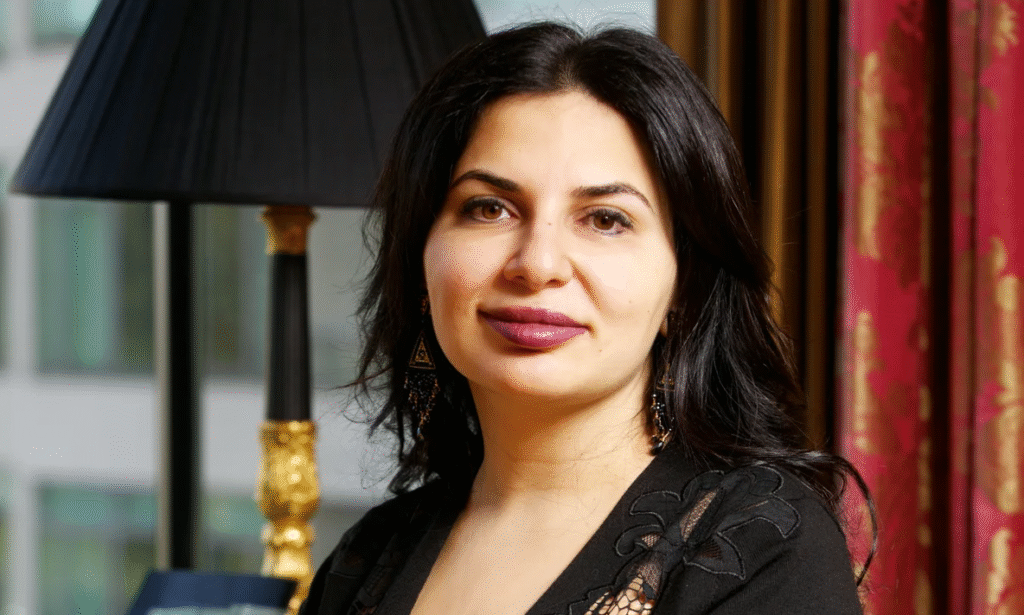
OneCoin was founded in 2014 by Dr. Ruja Ignatova, a Bulgarian-born businesswoman who later became known as the “Cryptoqueen.” She presented herself as a highly educated financial expert with a vision to revolutionize the digital currency industry. Her confidence, charisma, and persuasive speaking skills became powerful tools in attracting millions of followers.
Onecoin was marketed as a simple, educational, and risk-free introduction to cryptocurrency. Investors were encouraged to buy “educational packages” that included tokens that could supposedly be mined into onecoin.
But none of the technology behind it was real.
Timeline of Major Events
- 2014: OneCoin officially launched.
- 2015–2016: The Company expands aggressively worldwide.
- 2017: Ruja Ignatova disappears after boarding a flight to Greece.
- 2019: Co-founder Konstantin Ignatov is arrested.
- 2022–2024: Multiple global arrests and investigations intensify.
How the OneCoin Scam Worked Behind the Scenes
Fake Blockchain Claims
One of the biggest lies about OneCoin was its supposed blockchain. Real cryptocurrencies like Bitcoin operate on transparent, decentralised blockchain networks. Onecoin’s blockchain did not exist.
Multi-Level Marketing Structure
Onecoin functioned like a hybrid of:
- MLM (multi-level marketing)
- Ponzi scheme
- Fake cryptocurrency
Members earned commissions for recruiting others. The more people they convinced, the more money they made.
Promised Returns and Fake Educational Packages
Investors were persuaded to buy packages worth hundreds or thousands of dollars. They were told:
- The coin value would skyrocket
- Mining was real
None of it was true.
Key Warning Signs Investors Overlooked
Lack of Transparency
Onecoin never allowed public verification of transactions. This alone was a major red flag.
Unrealistic Profit Guarantees
The company frequently claimed that onecoin would “beat Bitcoin” and make every member rich. Legitimate investments never guarantee profit.
Pressure-Based Recruitment
Global Impact of the OneCoin Scheme
Countries Most Affected
Onecoin spread across:
- Europe
- Asia
- Africa
- South America
Legal Actions and Criminal Charges
Multiple governments took action, including:
- United States
- Germany
- India
- United Kingdom
Arrests included top promoters, bank partners, and company officials.
Economic Damage Caused
Large numbers of families lost life savings, retirement funds, and homes.
Where Is Ruja Ignatova Now? The Mystery of the ‘Cryptoqueen’

Ruja was last seen boarding a flight from Sofia, Bulgaria, to Athens, Greece.
Theories Surrounding Her Disappearance
- She may be living under a new identity
- She may have been protected by criminal networks.
- Some fear she may no longer be alive
Comparing OneCoin to Legitimate Cryptocurrencies
Key Differences Between Real Coins and onecoin
| Real Crypto | onecoin |
| Has a public blockchain | No real blockchain |
| Decentralized | Controlled by founders |
| Open-source | Closed, hidden systems |
| Transparent transactions | Fake numbers |
How Investors Can Avoid Future Scams
- Research the technology
- Verify founders’ backgrounds.
- Check for transparency
- Avoid guaranteed returns
- Follow trusted crypto resources like Investopedia (external link allowed)
Conclusion: What We Can Learn from the OneCoin Collapse
The story teaches us that not all cryptocurrencies are created equally. While many digital assets are built on real technology, others rely on manipulation and false promises. Staying informed, conducting thorough research, and recognising red flags can help prevent future losses.
Frequently Asked Questions About OneCoin
1. What was OneCoin?
it was a fraudulent cryptocurrency scheme that operated without a real blockchain.
2. Who created it?
It was founded by Ruja Ignatova in 2014.
3. Is it still active?
No. Most operations have been shut down, and global investigations are ongoing.
4. Was it a real cryptocurrency?
No. It had no blockchain, making it a fake digital currency.
5. How much money was lost in the scam?
More than $4 billion globally.
6. Can victims get their money back?
Some countries have ongoing restitution efforts, but recovery remains difficult.