Gift Card Scams: How Criminals Are Tampering With Cards
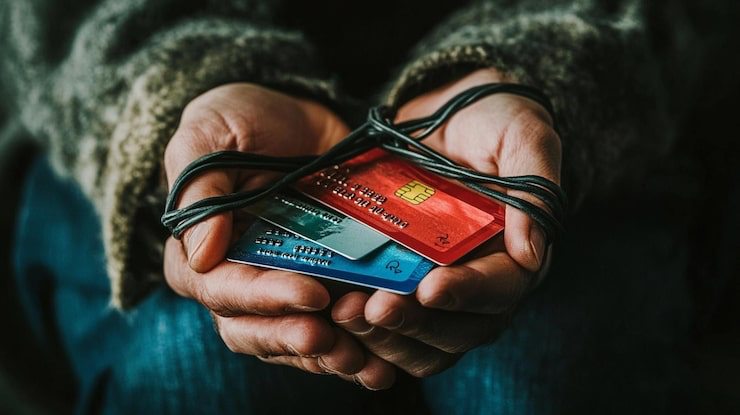
Your gift card could be empty before you even buy it.
That’s the uncomfortable reality behind a growing wave of “card draining” schemes in which criminals tamper with gift cards on store racks and at checkout. Even at major retailers, shoppers are discovering cards with zero balances, diverted loads, or already-redeemed codes, leaving the giver embarrassed and the recipient disappointed. This investigative consumer warning breaks down how the tampering works, what red flags to look for before you pay, and the steps to take if you’ve been hit.
Why Gift Cards Are a Prime Target
– They convert to value instantly at the register.
– They’re widely available in self-serve racks with minimal oversight.
– Many cards aren’t tied to an individual name or account.
– Criminals can convert the value into goods, resellable items, or other instruments quickly.
Regulators and retailers have warned for years that gift cards are a favored tool in scams. While many complaints involve imposters coercing people to pay with gift cards, a separate and increasingly visible problem is physical tampering, where the buyer does everything right and still walks out with a dud. The playbook varies, but the outcome is the same: your money moves; your card doesn’t.
Analysis: How Criminals Tamper With Gift Cards at the Point of Sale
Tampering is not always high-tech. Much of it exploits simple access to open racks and the fact that value is attached to a card only when it’s scanned at checkout. Here are the main categories, described at a high level to inform, not instruct.
1) PIN or Code Harvesting in Advance
– The target: cards with a concealed PIN or claim code under a scratch-off or peel-off panel.
– The tactic: the panel is disturbed, removed, or compromised to reveal the code; the surface is then disguised to appear untouched. The criminal records the necessary numbers and waits.
– The payoff: as soon as a victim buys and activates the card, the criminal, who’s monitoring, redeems the balance first.
2) Barcode or Label Manipulation
– The target: cards that load value when a barcode is scanned at the register.
– The tactic: a deceptive barcode label is placed over the real one or the packaging is swapped so a different account receives the load during activation.
– The payoff: the funds you intend to put on the card in your hand are instead routed to an account controlled by the criminal.
3) Resealed Packaging and Counterfeit Cards
– The target: blister-pack or clamshell packaging that looks tamper-resistant but can be opened with common tools.
– The tactic: a card is opened, its numbers captured, and the package carefully resealed; or a convincing counterfeit card is placed on the rack that funnels value elsewhere when scanned.
– The payoff: you purchase what appears to be a fresh card, but it is either drained post-activation or never actually tied to the card you walked out with.
4) Digital Overlays and E-Gift Diversions
– The target: QR codes, claim codes, or digital delivery cards displayed in-store or printed on paper.
– The tactic: display materials or codes can be overlaid or spoofed; in purely digital channels, compromised email accounts or malicious sellers resell already-used codes.
– The payoff: the buyer funds a balance that’s already been claimed elsewhere, or receives a code that is invalid at first use.
5) Organized Monitoring to “Catch” Activations
– The target: any card whose number and security data were captured in advance.
– The tactic: automated monitoring tools or frequent balance checks flag when a card becomes active.
– The payoff: the balance is redeemed within minutes or seconds of activation, often before the legitimate buyer leaves the parking lot.
The Point-of-Sale Weak Spots
– Open racks with easy public access provide criminals with time and cover.
– Inconsistent packaging makes it hard for shoppers to know what “tamper-evident” really looks like.
– Busy checkouts can create split attention: a scammer’s relabeled barcode or swapped packaging might go unnoticed when scanned.
– Some receipts and systems don’t clearly show the exact card serial linked to the funds, complicating recovery.
The bottom line: a determined criminal only needs access and a brief window to prepare a card for later draining. Your best defense is to make your purchase environment and process as controlled and verifiable as possible.
Depth: Signs to Check Before Purchasing Any Gift Card

Before you pay, slow down and inspect. A 30-second exam can save you the cost of the card and the time to unwind a mess.
Packaging and Physical Condition
– Look for tamper-evidence: Examine seams, edges, and the hanging hole. Watch for glue residue, warping, misaligned edges, or bent corners inconsistent with normal shelf wear.
– PIN/claim panel: The scratch-off or peel tab should be uniformly applied. Red flags include cloudiness, uneven surfaces, discoloration, flakes of missing coating, or any sign a protective film was lifted and reattached.
– Matching fonts and print quality: Inconsistent fonts, blurry logos, or poor print alignment on the card or packaging can indicate rework or counterfeiting.
– Serial alignment: If the packaging shows a printed last-four or serial segment, verify it matches the card you can see through the window. Any mismatch is a hard pass.
Barcode and Labels
– Smooth surface: Run a finger gently over the barcode area. Bubbles, raised edges, or a label that feels like a sticker may indicate an overlay.
– Visual inspection: Compare several cards of the same type. If one barcode label looks different in size, gloss, or typeface, choose another card, or a different rack.
– Clean edges: Look for cuts, nicks, or scratches around the barcode that suggest removal of an original label.
Placement and Store Controls
– Prefer controlled access: Choose cards stored behind the register, in locked cases, or near staffed checkout rather than open racks.
– Fresh stock: If a rack looks disorganized or picked over, ask staff for newer stock from a secure location.
– Staff awareness: If you notice anything off—like mismatched packaging or odd labeling—ask an associate to verify before you buy.
At Checkout
– Watch the scan: Ensure the cashier scans the gift card you brought, not a second card on the counter.
– Match identifiers: Ask the cashier to confirm that the identifier printed on the activation receipt (for example, last four digits) matches the card you have.
– Keep receipts: Save the purchase and activation receipts. If possible, photograph the card back and the receipt together immediately after purchase.
– Use a credit card: Paying with a credit card gives you chargeback rights if the retailer and issuer can’t resolve the issue.
After Purchase and Activation
– Register when possible: Some brands let you register cards or set alerts, do it promptly.
– Check balance immediately: Verify the balance before leaving the store and again within an hour. Early detection helps recovery.
– Don’t sit on large balances: If you’re comfortable, redeem promptly or split a large gift across multiple lower-risk options.
– Store securely: Treat gift cards like cash. Avoid sharing codes via text or email unless redeeming directly with the intended merchant.
Buying Online? Safer Channels and Habits
– Buy direct: Purchase e-gift cards only from the official retailer or the brand’s own website/app.
– Avoid third-party code marketplaces: Many are legitimate, but the risk of already-redeemed or recycled codes is higher.
– Secure your email: If your e-gift arrives by email, use strong, unique passwords and enable two-factor authentication to prevent mailbox compromise.
Verdict: What To Do if You’ve Purchased a Compromised Card
Speed is your ally. The sooner you act, the better your odds of reversal or reimbursement.
Step 1: Document Everything
– Photos: Take clear photos of the card front and back, packaging (especially any barcode area), and both sides of all receipts.
– Timeline: Write down the purchase date/time, store location, register number if visible, and when you discovered the issue.
– Balance evidence: If a balance check screen or app shows zero or an error, capture a screenshot.
Step 2: Contact the Retailer Immediately
– In-store return desk: Bring the physical card and receipts. Calmly explain that the card appears to have been compromised before or during activation.
– Ask for an investigation: Request that the store check point-of-sale logs to confirm which account received the funds at activation and to review security footage if a barcode swap is suspected.
– Escalate as needed: If a front-line associate can’t help, request a manager or corporate support case number. Keep notes of names, dates, and promised follow-ups.
Step 3: Contact the Card Issuer/Brand
– Use the number on the card or the brand’s official website. Provide card numbers, proof of purchase, and any photographic evidence of tampering.
– Ask for a freeze/reissue: Some issuers can freeze a compromised balance that hasn’t yet been spent or can reissue value if the tampering is confirmed.
– Get it in writing: Ask for a case or ticket number and written confirmation of next steps.
Step 4: If You Paid by Credit Card, Consider a Dispute
– File a chargeback with your card issuer if the retailer or card brand denies a remedy. Provide your documentation and explain that you did not receive the paid-for value due to apparent tampering.
– Timelines vary by issuer; start early to preserve your rights.
Step 5: Report the Incident
– Federal and state: File a report at ReportFraud.ftc.gov and with your state attorney general. These reports inform enforcement and trend analysis.
– Local law enforcement: For a paper trail, and especially for higher-dollar losses—file a police report. Provide your documentation.
– Business accountability: Consider submitting a complaint to the Better Business Bureau if you encounter resistance from a retailer or issuer.
Step 6: Protect Future Purchases
– Review your process: Shop from controlled racks, inspect carefully, and photograph/verify at the register.
– Set calendar reminders: For any unused gift cards, set check-ins to verify balances until redeemed.
– Spread risk: For large gifts, consider alternatives like store credits loaded at the customer service desk, digital gift cards delivered directly by the brand, or even traditional gifts if the recipient is comfortable.
If you gave a compromised card as a gift
– Act fast with the recipient: Ask them to stop redemption attempts and share screenshots of any errors.
– Take over the case: As the purchaser, you’ll typically need to contact the retailer and card issuer with proof of purchase. Provide the recipient’s notes as supporting evidence.
– Offer a make-good: While you work the case, consider a temporary replacement gift so the recipient isn’t left empty-handed.
Retailers and brands: What good response looks like
– Clear confirmation: Receipts that display the exact serial number tied to a load.
– Tamper-evident packaging that’s truly hard to reclose without showing damage.
– Secured racks and frequent audits of high-risk displays.
– Staff training to spot barcode overlays and to assist customers with in-the-moment verification.
– Fair remediation policies when clear evidence of tampering exists.
Conclusion
Gift cards aren’t doomed, and they remain a convenient, popular way to give. But the risk of point-of-sale tampering is real and rising. Treat gift cards like cash with serial numbers: inspect them before purchase, control the activation moment, and preserve your paper trail. If something goes wrong, act immediately and methodically. With the right habits and quick escalation, many buyers can avoid loss, or at least get their money back. The goal isn’t to scare you away from gift cards; it’s to arm you with the checks that make them safe again.
Frequently Asked Questions
Q: Are gift cards safe to buy at big-box stores?
A: Often yes, but not automatically. Open racks at any retailer can be targeted. Prefer cards kept behind the counter or in locked cases, inspect packaging and barcodes closely, and verify the activation details on your receipt before leaving.
Q: Which types of gift cards are most frequently tampered with?
A: Cards with widely usable value (such as multi-merchant or popular store cards) are attractive to criminals. Any card with a visible barcode or a concealed PIN can be a target if displayed on an open rack.
Q: Is it safer to buy digital e-gift cards?
A: Buying directly from the brand’s official site or app is typically safer than pulling a card off a public rack. Still, secure your email, beware of third-party sellers, and redeem codes promptly.
Q: Can scammers drain a gift card without physically handling it first?
A: Usually they need prior access to the card’s numbers or to misdirect the activation. Physical tampering, barcode manipulation, or access to compromised codes are common prerequisites.
Q: What’s the single best step to reduce risk when buying a gift card?
A: Control the activation moment. Inspect the card, watch the exact card get scanned, match identifiers on the receipt to the card, and keep documentation. Paying with a credit card adds a safety net.
Q: What should I do if my new card shows a zero balance?
A: Stop and document evidence. Photograph the card, packaging, and receipts; capture a balance-check screenshot; then contact the retailer and the card issuer immediately to request investigation and remediation. If unresolved, dispute the charge with your credit card and file reports with regulators.
Q: Do tamper-evident seals guarantee safety?
A: They help, but they’re not foolproof. Learn what genuine packaging looks and feels like for the brand you’re buying, and avoid any card with misaligned seals, residue, or inconsistencies.
Q: If I paid cash, can I still get my money back for a compromised card?
A: It’s harder but not impossible. Strong documentation and quick reporting to the retailer and issuer can still lead to refunds or replacements. Paying with a credit card provides stronger dispute rights.