
What is a Bitcoin Address?
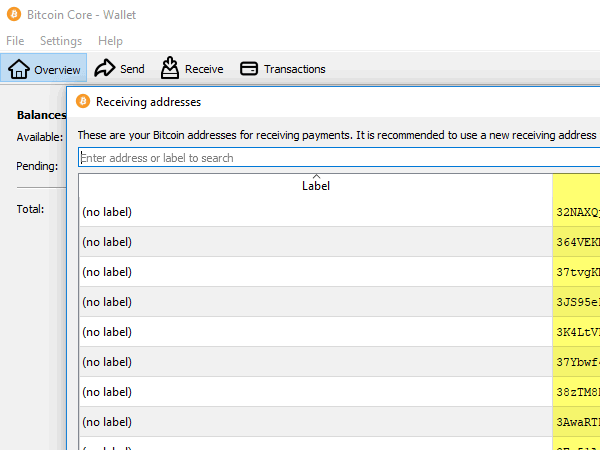
A Bitcoin address is like a bank account number, but for cryptocurrency. It’s a unique string of letters and numbers that identifies where Bitcoin can be sent. When you make a Bitcoin transaction, it gets logged onto the blockchain and associated with your Bitcoin address. Think of it like mailing a letter; you need both an address to send to and one for returns. Bitcoin addresses are created from public keys, which, in turn, are derived from a private key. The public key is used to generate the Bitcoin address, which is the address you can share to receive funds.
Key Facts about Bitcoin Addresses
- They consist of 26-35 alphanumeric characters.
- Typically start with “1”, “3”, or “bc1”.
- They are unique, but temporary—you can create as many as you want.
Main Features of Contract Address Crypto
The Acrypto contract address has several key features that differentiate it from regular wallet addresses. The following are the main features that you should know:
– Unique Identity – Each contract address is unique and specific to a particular blockchain.
– Immutable (Cannot be changed) – Once implemented, the address and contract code cannot be changed or deleted.
– Interactive – Users can send transactions or data to the contract address to trigger its function.
– Transparent – All interactions with contract addresses are recorded in the blockchain and can be accessed publicly via explorers such as Etherscan or BscScan.
How do I find my wallet address?
Fortunately, most wallet providers make it easy to find and share your wallet address. A few taps in your wallet app’s settings menu should reveal your address when needed. Many even let you generate a QR code for easier sharing.
Here’s how you can find your wallet address within the BitPay Wallet app:
- From the app home screen, tap your wallet from the “My Crypto” section and select a key under the “My Wallets” section.
- Select the “Receive” button.
- Your wallet address will appear; you can copy/paste this address or display the QR code to be scanned by another device.e
By default, BitPay Wallets change your wallet address for every transaction to better protect your privacy. “Old” or previously used addresses will still function. You have the option to disable this function via the “Single address” option when creating a new wallet.
How Do You Make Transactions Using the Bitcoin Address?
Firstly, you will need to give people this address every time they need to send you a payment through Bitcoin. So, it’s probably a good idea to keep it in a place that’s easily accessible. As an example of what a bitcoin address looks like, here’s the one that The Bitcoin Foundation accepts donations through:To send any amount of bitcoin directly to such an address, you will have to copy it into your wallet software’s “Send” section. Once all the other fields have been filled out, including the transaction amount, you will be able to initiate the process from your end.
How Secure Are Bitcoin Transactions?
Without delving into the technical aspect of how a Bitcoin address is actually generated, it’s important to note that at the time of generation of a wallet, two keys are created. The naming scheme for these keys is rather straightforward, with one referred to as a public key and the other, a private key. A Bitcoin address is essentially another form of the generated public key and, therefore, can be distributed or advertised anywhere without the risk of losing your Bitcoin. The private key, on the other hand, gives anyone full control over the Bitcoin stored on the address. In this way, ownership of the public-private key pair together is all anyone needs to rebuild a wallet from scratch.
Reasons to Perform a Bitcoin Address Lookup
Bitcoin address lookup tools are more than just curiosity tools—they offer real utility. Here are some key reasons why people use them:
- Transaction Verification
One of the primary reasons for looking up a Bitcoin address is to verify transactions. Since Bitcoin operates on a public ledger called the blockchain, all transactions are visible for anyone to check. If you’ve sent or received Bitcoin, you can use a lookup tool to:
- Confirm whether the transaction has been completed.
- Check the number of confirmations on a transaction.
- Understanding Address Activity
If you’ve received a payment from an unknown source or are about to make a payment, you might want to know more about the address’s history.
Suspicious Activity: You can check if an address has been involved in any suspicious or known scam activities.
Assessing Trustworthiness: Some users look up addresses as a background check to determine if the transaction partner has a history of valid transfers.
- Research and Due Diligence
For users researching the crypto market, a Bitcoin address lookup can provide data on address activity, incoming and outgoing transfers, and even the overall balance. This information can help:
- Identify trends in how Bitcoin is being used.
- Detect the most active wallets and addresses.
- Understand market flows.
How Does Bitcoin Address Lookup Work?
A Bitcoin address lookup works by accessing the public blockchain to reveal all activities associated with that address. Here is a quick breakdown:
- Blockchain Public Ledger: Bitcoin is built on a blockchain that keeps records of every transaction ever made. This ledger is accessible to anyone.
- Blockchain Explorers: To look up an address, you need a blockchain explorer. These are websites or tools that allow users to navigate the public ledger. By entering a Bitcoin address, you can see the transactions related to that address.
Blockchain explorers essentially work by taking the data that is freely available on the blockchain and presenting it in a readable format. Without explorers, users would need to decipher raw blockchain data, which isn’t practical for most people.
Popular Bitcoin Address Lookup Tools
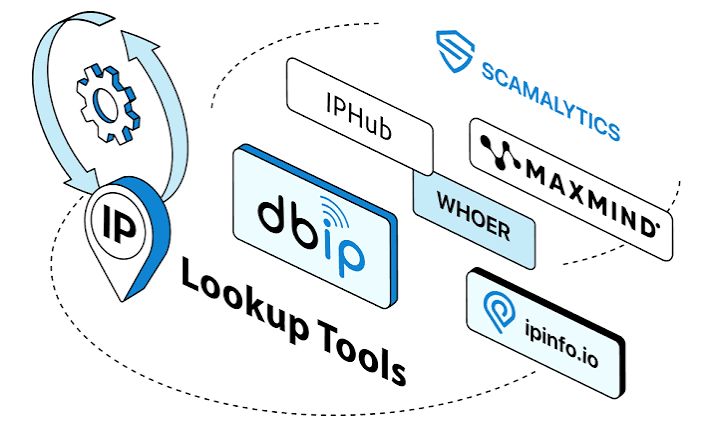
There are various tools that you can use to perform a Bitcoin address lookup. Some of the most popular blockchain explorers include:
Blockchain.com Explorer
Blockchain.com’s explorer is one of the oldest and most user-friendly blockchain explorers. It allows you to search for a specific Bitcoin address and view:
- Transactions linked to that address.
- The current balance.
- Fees paid.
Blockchair
Blockchair provides more in-depth data, giving users an option to analyse Bitcoin addresses along with data from other blockchains, such as Ethereum and Litecoin.
BlockCypher
This tool allows you to look up Bitcoin transactions with ease. BlockCypher offers a simple user interface with additional developer tools for those building applications using blockchain data.
Comparing Blockchain Explorers
- Blockchain.com: User-friendly, straightforward, ideal for beginners.
- Blockchair: Rich data analytics, includes multiple blockchains.
- BlockCypher: Developer-friendly with API support for deeper integrations.
Step-by-Step Guide to Look Up a Bitcoin Address
Here’s how you can perform a Bitcoin address lookup easily using a blockchain explorer.
1. Access a Blockchain Explorer
First, you need to navigate to a blockchain explorer website. For this example, let’s use Blockchain.com.
2. Enter the Bitcoin Address
On the explorer’s main page, you’ll see a search bar. Enter the Bitcoin address that you want to look up.
3. View the Results
Once you click “Search,” the explorer will display all of the transactions associated with that Bitcoin address. You’ll see details such as:
- The total amount of Bitcoin received and sent.
- A list of transactions, including their status.
- The date and time each transaction occurred.
Privacy and Limitations of Bitcoin Address Lookups
Public vs. Private Information
Bitcoin operates on a public blockchain, which means that information about addresses and transactions is visible to everyone. However, this doesn’t mean that personal information about the address owner is visible. The blockchain maintains a certain level of privacy by:
- Using pseudonyms (alphanumeric Bitcoin addresses) instead of real names.
- Ensuring no direct link exists between an address and an individual without additional external data.
Address Lookup Limitations
While you can look up Bitcoin addresses and transactions, you won’t find:
- Identities: There’s no personal information about the owner of the address.
- Purpose: The blockchain won’t tell you the reasons for transactions.
Are Bitcoin Address Lookups Legal?
Yes, looking up a Bitcoin address is legal. The Bitcoin blockchain is a public ledger and was designed to be accessible to anyone. However, it is important to understand local regulations when interacting with cryptocurrencies. Many jurisdictions are putting compliance measures in place to ensure users are not violating anti-money laundering (AML) laws.
Tips for Using Bitcoin Address Lookups Safely
- Verify URLs: Ensure you use a reliable blockchain explorer. Fake explorer websites could lead to phishing attacks.
- Double-Check Addresses: Copy and paste the address carefully to avoid any typing mistakes.
Conclusion
Bitcoin address lookup tools are crucial for navigating the crypto world. They help verify transactions, assess address activity, and provide a window into the blockchain. By using reliable tools like Blockchain.com and Blockchair, you can easily look up a Bitcoin address and explore its activities. The transparency of Bitcoin’s blockchain fosters trust among users, making it an essential technology in the growing field of cryptocurrency. If you’re looking to get involved with Bitcoin, consider using Xbanka to buy Bitcoin safely and easily. Embrace the transparency, stay informed, and make the most of your Bitcoin experience.
FAQ
- How to find the BTC contract address?
You can find your Bitcoin address by tapping Bitcoin from the app’s home screen, then hitting the “Receive” button on the toolbar of your Bitcoin (BTC) asset view screen. If you have multiple Bitcoin wallets, select the wallet you want from the drop-down menu at the bottom of the asset view screen.
- Who is 34xp4vRoCGJym3xR7yCVPFHoCNxv4Twseo?
34xp4vRoCGJym3xR7yCVPFHoCNxv4Twseo stands as one of the largest known Bitcoin addresses and is most likely a cold wallet used by Binance or another major exchange.
- How do I get a contract address?
The contract address can be found on the home page of the NFT collection or next to a particular NFT’s token ID and other metadata. When buying an NFT, always make sure it features the same contract address as other NFTs in the collection.
- Is a BTC contract address the same as a wallet?
It is important to note that the wallet address is distinct from smart contracts and contract addresses. The wallet address is used to identify the owner of the digital asset wallet, whereas a contract address is a code that identifies a specific token.
- Which BTC address is best?
There are several types of Bitcoin addresses, each corresponding to a different standard. Nowadays, it is recommended to use Taproot P2TR addresses, or failing that, SegWit P2WPKH addresses.