
USDT meaning: What is it?
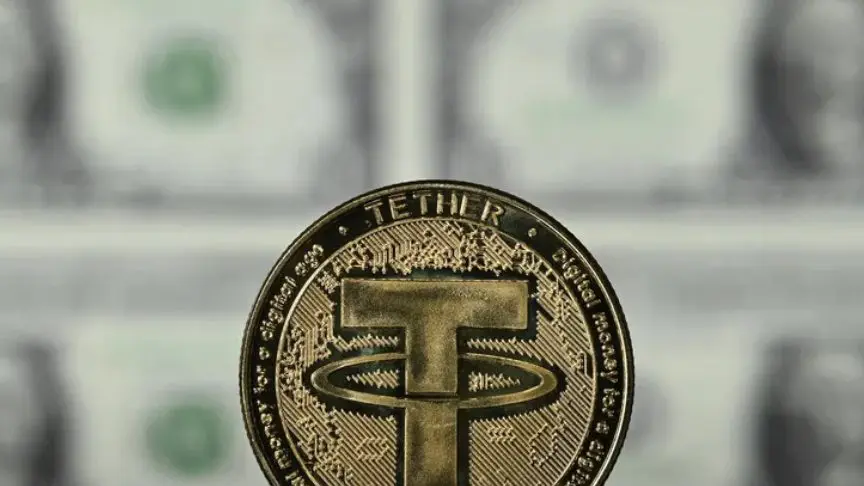
USDT stands for Tether USD, a cryptocurrency that maintains a 1:1 parity with the US Dollar. For every 1 unit of USDT in circulation, there’s an equivalent 1 unit of USD held in reserves. This design places Tether USD in the category of stablecoins, which are cryptocurrencies backed by cash reserves to maintain a stable price point. Tether USD was developed by Tether in 2014, originally known as Realcoin, and was designed to function as a “digital dollar.” Its purpose was to provide stability in a highly volatile crypto market, making it distinct from cryptocurrencies like Bitcoin, which are created through complex mathematical computations and experience significant price fluctuations.
What are the use cases of USDT?
- Stability in Volatile Markets
The primary use case of USDT lies in providing stability in the inherently volatile cryptocurrency market. Traders and investors often use USDT as a haven to park their funds during times of market uncertainty or extreme price fluctuations. By converting their assets into USDT, they can preserve the value of their holdings without having to cash out into fiat currencies like USD.
- Trading Pair
Another common use case for USDT is as a trading pair on cryptocurrency exchanges. Many exchanges offer USDT pairs for various cryptocurrencies, allowing users to trade between cryptocurrencies and USDT instead of directly with fiat currencies. This provides traders with a way to hedge against market volatility without exiting the cryptocurrency ecosystem.
- Remittance and Cross-Border Transactions
USDT also facilitates cross-border transactions and remittances, offering a faster and more cost-effective alternative to traditional methods. Since USDT operates on blockchain technology, transactions can be executed quickly and with minimal fees compared to traditional banking systems. This makes USDT an attractive option for individuals and businesses seeking to transfer funds across borders.
- Arbitrage Opportunities
Arbitrage traders leverage the stability of USDT to capitalize on price differences between exchanges. By buying cryptocurrencies on exchanges where prices are lower and selling them on exchanges where prices are higher, traders can profit from these discrepancies. USDT serves as a convenient medium for transferring funds between exchanges due to its stable value and widespread acceptance.
What Gives Tether (USDT) Value?
USDT holds its value because it’s designed to be redeemable for real dollars. The system relies on market confidence that every token can be exchanged for money held in reserve. While Tether doesn’t offer full audits, it publishes quarterly breakdowns showing holdings in short-term assets like corporate bonds and liquidity tools. Tether has moved away from risky positions after regulatory pressure and now leans heavily on US government debt. This shift has helped reduce doubt over the token’s ability to maintain its peg—even when the crypto market gets volatile.
How Does USDT Work?
Tether USD is a stablecoin backed by a fiat reserve. Tether USD achieves its stability by pegging its value to the US Dollar, ensuring that under normal circumstances, 1 USDT always equals 1 USD. This stability protects Tether USD from the extreme price fluctuations often seen in other cryptocurrencies. Once a unit of Tether USD is created, it can be used like any other cryptocurrency or token on the blockchains it supports. Currently, Tether USD operates on Bitcoin, Ethereum, EOS, Tron, Algorand, and OMG Network blockchains. To maintain trust, Tether employs a Proof of Reserves system.
What Can You Use USDT For?
Tether USD has become one of the most versatile tools in the cryptocurrency space, offering practical solutions for savings, payments, trading, and more. Here’s how you can use USDT:
1. Savings and Investment
USDT is a great option for those seeking flexibility while avoiding the volatility of traditional cryptocurrency investments. By saving in Tether USD, you can protect your funds from market fluctuations while maintaining the ability to access and transfer them easily.
2. Payments
Tether USD acts as a bridge between traditional currency and cryptocurrency. It offers the best of both worlds: the convenience of crypto transactions and the relative stability of a fiat currency. Whether you’re paying for services or transferring funds globally, Tether USD provides a secure and reliable payment option.
3. Speculation and DeFi
Stablecoins like USDT make it easier to speculate in crypto markets without the risk of major price swings. Additionally, Tether USD is widely used as collateral in DeFi lending and staking protocols, enabling you to earn passive income while participating in decentralized finance platforms.
4. Hedge Against Inflation
If you live in a country like Nigeria with high inflation rates, USDT is a more accessible alternative to the US Dollar. Saving funds in Tether USD can help you preserve your wealth and avoid the diminishing purchasing power of the naira.
5. Trading
Tether USD simplifies trading by providing a stable base currency. If you are a trader, you can use it to lock in profits during volatile market conditions or as a stable medium to move funds between exchanges. It also saves you time and money by eliminating the need to constantly convert between fiat and crypto.
Pros and Cons of USDT
Pros:
- Highest liquidity among stablecoins. USDT is the most traded stablecoin in the world, making it ideal for high-volume transactions.
- Available on nearly all crypto platforms. Whether you’re using a large or a small platform, USDT is almost always supported.
- Great for fast trades and global use. Its liquidity allows users to move funds quickly across countries and trading pairs.
Cons:
- Past controversies over reserves. Tether has faced criticism for not clearly disclosing the exact assets backing USDT.
- Lacks full audits. While attestations are released, they do not provide the same level of assurance as third-party audits.
- Not favored by many U.S. institutions. Due to limited regulatory oversight, USDT is less attractive to institutional investors in the U.S.
What Makes Tether (USDT) Unique?
Tether stands out as one of the most widely adopted stablecoins in the world. It was the first stablecoin to gain global traction and remains essential in the blockchain ecosystem. What makes it unique is its deep liquidity, fast settlement, and availability across multiple blockchain networks. Traders rely on Tether to move funds quickly without converting back into traditional currency, especially in volatile conditions. It’s widely used in cross-border payments and has become a go-to option in countries with limited banking access. Tether also supports a wide range of digital currencies, making it a versatile tool for crypto portfolios. Its integration into leading payment processors further extends its reach.
How does USDT maintain its peg to the US dollar?
Ensuring that USDT maintains a 1:1 peg with the US dollar is essential to its functionality and credibility. Several mechanisms are employed to achieve this peg:
- Reserve Backing
USDT claims to be fully backed by reserves of fiat currency, primarily US dollars. Tether Limited, the company behind USDT, periodically publishes reports detailing the reserve holdings to provide transparency and assurance to users. However, concerns have been raised about the adequacy and transparency of these reserves, leading to debates about the true value and stability of USDT.
- Market Demand and Supply
Market forces of demand and supply also play a role in maintaining the peg. When the price of USDT deviates from $1, arbitrage opportunities arise, incentivizing traders to buy or sell USDT until its price aligns with the peg. This constant arbitrage activity helps stabilize the price of USDT and keeps it close to the $1 mark.
- Redemption and Issuance
Tether Limited facilitates the issuance and redemption of USDT tokens. When demand for USDT increases, new tokens are issued in exchange for fiat currency deposits. Conversely, when users redeem USDT for fiat currency, an equivalent amount of tokens is destroyed, thereby adjusting the supply to match demand and maintain the peg.
- Market Interventions
In extreme cases where market forces alone are insufficient to maintain the peg, Tether Limited may intervene directly in the market by buying or selling USDT. These interventions aim to stabilize the price of USDT and reinforce confidence in its peg to the US dollar.
Where and How to Trade USDT
Trading USDT, or USD Tether, involves buying, selling, or exchanging the stablecoin for other cryptocurrencies or fiat currencies. Due to its widespread adoption and utility, USDT is available for trading on numerous cryptocurrency exchanges and platforms worldwide. Here’s a comprehensive guide on where and how to trade USDT:
- Cryptocurrency exchanges
Cryptocurrency exchanges serve as the primary platforms for trading USDT. These exchanges facilitate the buying, selling, and exchange of various cryptocurrencies, including USDT.
- Peer-to-Peer (P2P) platforms
Peer-to-peer platforms enable direct trading between users without the involvement of intermediaries. On P2P platforms, buyers and sellers can create listings to buy or sell USDT using different payment methods, such as bank transfers, PayPal, or cash.
- Over-the-Counter (OTC) Desks
Over-the-counter desks facilitate large-volume trades of cryptocurrencies outside of traditional exchanges. OTC desks cater to institutional investors, high-net-worth individuals, and cryptocurrency funds seeking to execute large trades without impacting market prices.
The Future of USDT
Looking ahead, the future of USDT is uncertain, as it navigates regulatory challenges and strives to address concerns surrounding transparency and stability. Competing stablecoins and central bank digital currencies (CBDCs) pose potential threats to USDT’s dominance, while technological advancements and evolving market dynamics may shape its evolution. Whether USDT can maintain its position as a leading stablecoin or faces obsolescence remains to be seen, but its impact on the cryptocurrency landscape is undeniable, shaping the way digital assets are traded and utilized across the globe.
Risks and Considerations on Behalf of USDT Meaning
Although USDT provides stability and convenience, it has several hazards. Users should be conscious of any problems with technology, market conditions, transparency, and legislation.
- Regulatory Issues. Tether has been under fire for whether it actually has sufficient reserves to support every USDT token now in use. Concerns over transparency have sparked regulatory pressure and continuous debates on the stablecoin’s management efficacy. Regulatory changes could influence USDT usage, particularly if countries choose to strengthen stablecoin oversight.
- Market Risks. Though USDT is meant to maintain a constant value, external elements can affect its pricing. For instance, unexpected market-wide declines or questions about Tether’s reserves could force USDT to briefly lose its dollar peg. Users have to stay informed about any disruptions and industry developments.
- Operational Risks. Tether Limited’s operation and exchange management of USDT can influence its use. Technical problems, liquidity concerns, or compliance violations on exchanges could affect users’ capacity to access or trade USDT seamlessly. Choosing trusted platforms for transactions is a must.
- Technological Risks. USDT depends on blockchain technologies. Transactions can be impacted by problems like smart contract flaws, network congestion, or technological upgrades going wrong. Again, trusted networks and staying informed prevent that.
- Security Concerns. Using USDT responsibly depends on how well people protect their assets. Keeping USDT in safe wallets, particularly hardware ones, and enabling two-factor authentication is the best way to prevent losing assets.
Conclusion
In conclusion, USDT, or USD Tether, is a stablecoin designed to maintain a stable value pegged to the US dollar. Its primary use cases include providing stability in volatile markets, serving as a trading pair on exchanges, facilitating cross-border transactions, and enabling arbitrage opportunities. USDT maintains its peg through mechanisms such as reserve backing, market demand and supply dynamics, issuance and redemption, and occasional market interventions. However, it has also faced criticism and controversies, including concerns about transparency, regulatory scrutiny, and systemic risks. Despite these challenges, USDT remains one of the most widely used stablecoins in the cryptocurrency market, playing a crucial role in facilitating liquidity and stability for traders and investors alike.
FAQ
- What does USDT stand for?
USDT, the ticker symbol for the Tether stablecoin cryptocurrency. United States Department of the Treasury. Ultra-slim desktop, a computer form factor used by Hewlett-Packard, see HP business desktops.
- Can I transfer USDT to my bank account?
In order to transfer USDT to a bank account, you’ll need at least three things: A cryptocurrency wallet holding USDT. A verified account on a crypto exchange or payment processor. An active local bank account that accepts payments from crypto providers.
- Is USDT the same as USD?
The main difference between USDT and USD lies in the regulations and policies that govern them. While USD is directly regulated by the Federal Reserve in the United States, USDT is a crypto asset issued by a private company, Tether Limited.
- Can I buy USDT with Naira?
Remitano is the best P2P platform where you can buy USDT for as little as N1000 directly from other Nigerians.
- Is USDT a good investment?
Many investors do not wish to use BTC and ETH for transactions because of their growth potential. That makes USDT a great alternative for those looking for a stable investment and a way to pay for goods and services.
- Can USDT be converted to cash?
You can sell as little as $20 of USDT on MoonPay. Buy Tether and store it in any wallet. Then sell your USDT for fiat, and get paid directly to your bank account, credit card, or debit card.