
ISO 20022 is Live: How XRP & HBAR Are Leading the Crypto Revolution
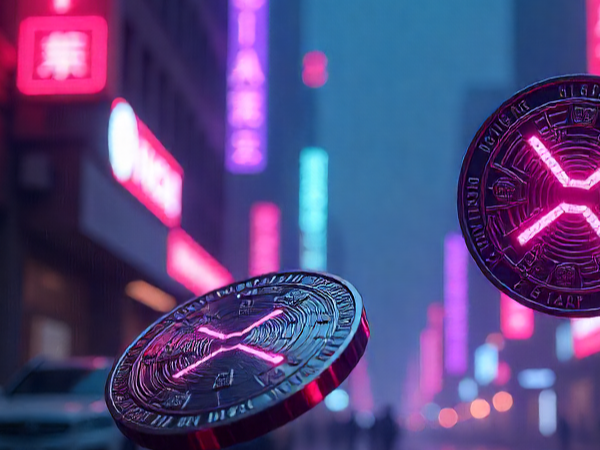
The official launch of ISO 20022 marks a major turning point for global payments, and cryptocurrencies built for this standard especially XRP and HBAR are now positioned at the front of a new financial era. As banks transition to the upgraded messaging system, compliant cryptos gain a massive advantage, making them key players in the future of cross-border payments and digital finance.
Understanding the ISO 20022 Standard
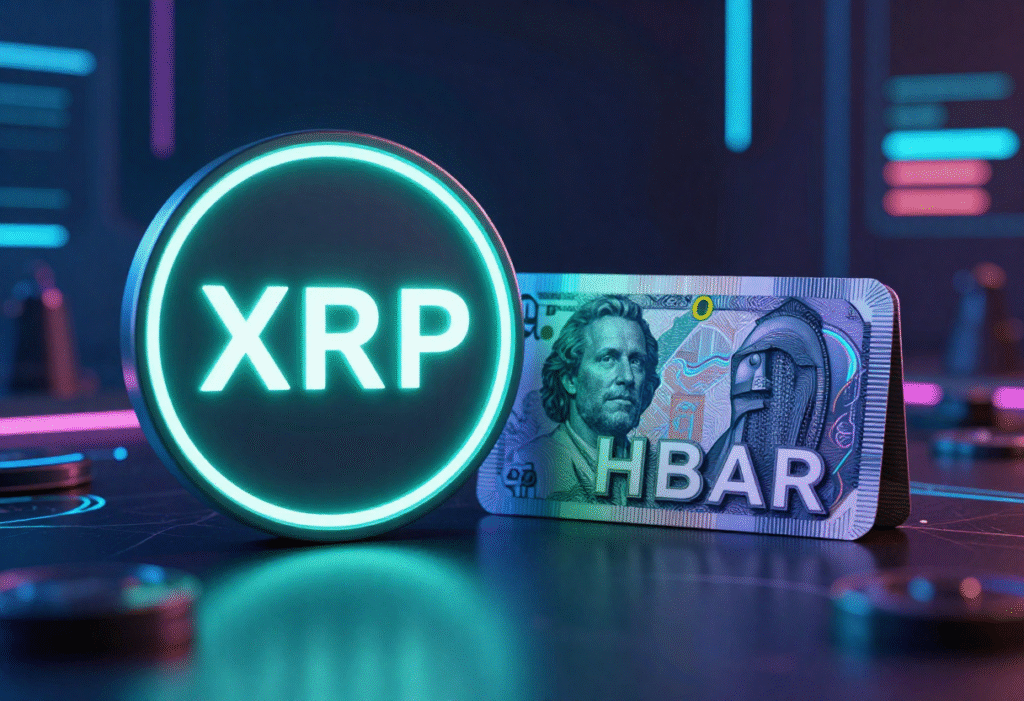
ISO 20022 is the new global framework that upgrades how financial institutions send and receive payment information. With its launch, banks must now operate using richer, structured data, making transactions faster, more secure, and more transparent. This shift sets the foundation for a smarter, more efficient global payment ecosystem.
What ISO 20022 Means for Banks
Banks can no longer rely on outdated messaging formats for cross-border transactions. Even if they send old messages, they must be converted to ISO 20022 to remain compliant. Institutions that fail to adapt risk falling behind, facing inefficiencies, and losing relevance in the new global financial landscape.
Benefits of ISO 20022
ISO 20022 improves the entire payment process with better data accuracy, automation, and transparency. It reduces errors, enhances tracking, and supports faster settlement, helping banks and financial systems operate more efficiently while preparing the world for advanced digital payment innovations.
Cryptocurrencies Built for ISO 20022 Compliance
Only a select group of cryptocurrencies are designed to fit seamlessly into the new ISO 20022 banking era. These cryptos led by XRP, HBAR, XLM, QNT, XDC, and IOTA are engineered to support regulated, high-speed, and enterprise-level financial operations, giving them a long-term advantage as global payment systems evolve.
Top ISO 20022 Compliant Cryptocurrencies
These compliant cryptos are built with features that align directly with advanced financial messaging and cross-border settlement:
- XRP enables fast, low-cost international payments and is part of the ISO 20022 standards body.
- HBAR uses Hashgraph for enterprise-grade speed, security, and scalability.
- QNT connects blockchains through Overledger for seamless interoperability.
- XDC focuses on finance-driven hybrid blockchain solutions.
- IOTA uses a DAG structure for feeless machine-to-machine transactions.
Together, they form the backbone of crypto designed for the next generation of global finance.
Why Compliance Matters for Crypto Investors
ISO 20022 compliance gives these cryptos a major strategic edge, making them compatible with banks, regulations, and institutional systems. This alignment also improves their chances of being included in major ETFs, attracting consistent liquidity, and positioning them for long-term growth as traditional finance and crypto merge.
Implications for Crypto Investment Strategy
ISO 20022 is not just a banking upgrade, it’s a signal for investors to pay attention to cryptos built for regulatory alignment. As the financial world shifts toward compliant systems, investing in ISO 20022-ready assets positions investors ahead of institutional adoption, liquidity flows, and long-term market shifts.
Institutional Adoption and Partnerships
Banks and financial institutions are more likely to adopt cryptos that match their compliance standards. This opens the door for deeper partnerships, real-world utility, and enterprise-level use cases. ISO 20022-compliant cryptos stand out as the ones institutions can integrate without friction.
ETF Influence on Market Liquidity
Compliant cryptocurrencies like XRP and HBAR are already appearing in discussions around U.S. crypto ETFs. ETF involvement brings steady liquidity, greater visibility, and long-term demand. This makes ISO 20022-compliant assets more stable and attractive for investors preparing for the next wave of institutional money.
Key Takeaways and Future Outlook
The global shift to ISO 20022 marks a major milestone for both traditional finance and the crypto market. As banks transition to this enhanced messaging standard, compliant cryptocurrencies gain a unique strategic advantage, positioning themselves as the core digital assets of the new financial era.
Final Thoughts for Investors
Investors should focus on ISO 20022-compliant cryptos for long-term stability, institutional relevance, and future growth potential. With increasing ETF involvement, bank partnerships, and regulatory alignment, assets like XRP and HBAR stand out as top contenders in the evolving world of global digital payments.
Conclusion
The activation of ISO 20022 officially sets a new foundation for global payments, pushing banks, institutions, and investors toward a smarter, more efficient financial ecosystem. As this standard becomes the global requirement, ISO 20022-compliant cryptocurrencies especially XRP, HBAR, XLM, QNT, XDC, and IOTA stand at the forefront of this transformation. Their alignment with regulatory frameworks, institutional needs, and cross-border payment efficiency makes them strong long-term contenders as traditional finance and blockchain merge into one unified system. Investors who position themselves early can benefit from increased liquidity, ETF involvement, enterprise adoption, and future-driven growth.
FAQs
1. What is ISO 20022?
ISO 20022 is the new global messaging standard for financial institutions, enabling faster, more transparent, and data-rich transactions.
2. Why does ISO 20022 matter for cryptocurrencies?
It creates a bridge between traditional finance and blockchain, making compliant cryptos more suitable for bank adoption and institutional integration.
3. Why are XRP and HBAR seen as leaders?
XRP is part of the ISO 20022 standards body and is designed for rapid cross-border payments, while HBAR’s Hashgraph system supports high-speed, enterprise-level transactions.