

The RajaSaab vs Avengers Showdown
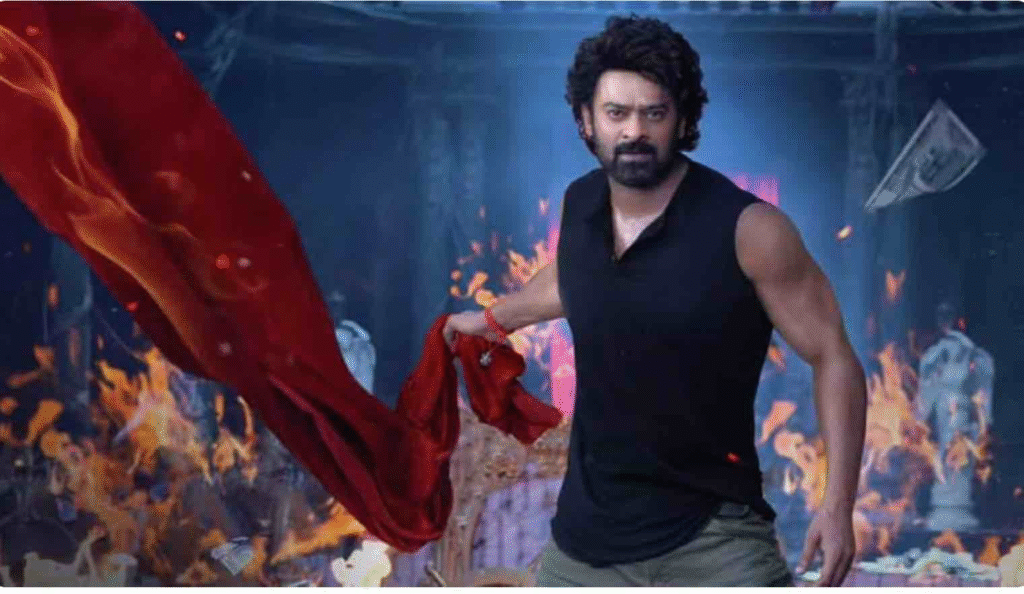
2026’s biggest box office clash is coming – who wins?
As film enthusiasts and industry analysts begin mapping out the theatrical landscape of 2026, one question dominates conversations: which release will dominate the global box office? The answer isn’t as straightforward as Marvel fans might assume. With Prabhas’s The RajaSaab* targeting a January 2026 release and Marvel’s *Avengers: Doomsday locked for December, we’re witnessing a fascinating case study in divergent release strategies that could redefine our understanding of box office supremacy.
The RajaSaab’s January Gambit
Strategic Window Selection
Prabhas’s decision to position The RajaSaab in January 2026 represents a calculated masterclass in market timing. Historically dismissed as a box office graveyard, January has undergone a significant transformation in Indian cinema economics. The post-holiday window now offers distinct advantages that major studios are beginning to recognise and exploit. The January slot provides The RajaSaab with minimal competition from other Indian tentpoles. Unlike the crowded Diwali or summer corridors where multiple big-budget releases cannibalise each other’s audience, January offers clear skies. This strategic isolation allows the film to dominate theatrical screens across India for potentially 3-4 weeks before the next major release, maximising its earning potential during the critical opening period.
Market Positioning Advantages
Prabhas enters 2026 with unprecedented pan-Indian star power. His post-Baahubali* trajectory has established him as one of the few actors whose films open equally strongly in Telugu, Hindi, Tamil, and dubbed versions across multiple territories. *The RajaSaab, positioned as a horror-comedy, taps into a genre experiencing a renaissance in Indian cinema, following the success of similar films that have connected across demographic boundaries. The January release also capitalises on the Sankranti festival season in South India, particularly Andhra Pradesh and Telangana—Prabhas’s stronghold markets. This festival period typically sees families flocking to theatres, creating an ideal environment for mass entertainers. The combination of festival timing and limited competition creates a potentially explosive opening weekend scenario.
Budget and Revenue Expectations
Industry insiders estimate The RajaSaab carries a production budget in the ₹350-400 crore range, positioning it as a significant but not astronomical investment by current Indian cinema standards. This budget discipline becomes crucial when analysing its profit potential. The film needs to gross approximately ₹800-900 crore worldwide to be considered a blockbuster success—a target that seems achievable given Prabhas’s recent track record. The regional market depth cannot be understated. While Hollywood blockbusters depend on wide international distribution, The RajaSaab can achieve profitability primarily through Indian theatrical revenues, with overseas markets (particularly the Gulf, North America, and Australia) serving as additional revenue streams rather than make-or-break territories.
Avengers Doomsday’s December Dominance
The Holiday Advantage
Marvel’s positioning of Avengers: Doomsday in December 2025 (rolling into 2026 for international markets) leverages the most lucrative theatrical window in the global calendar. December releases benefit from multiple revenue catalysts: year-end holiday spending, school vacations creating weekday matinee opportunities, and the cultural tradition of moviegoing as family entertainment during the festive season. The December slot has historically delivered some of cinema’s biggest earners. Avatar* and *Avatar: The Way of Water both utilised this window to achieve unprecedented box office runs, with the latter film’s legs carrying it well into February. Marvel understands that December releases aren’t just about opening weekends—they’re about sustained performance across weeks of premium theatrical conditions.
Global Distribution Infrastructure
Marvel operates within the Disney ecosystem, arguably the most sophisticated film distribution network ever constructed. Avengers: Doomsday will receive simultaneous releases across 60+ territories with coordinated marketing campaigns tailored to regional sensibilities while maintaining brand consistency. This global footprint represents both an advantage and a necessity—Marvel’s production budgets demand worldwide theatrical saturation to justify their investment. The film’s estimated $350-400 million production budget (before marketing) requires it to gross approximately $1 billion worldwide just to break even, with studio profit targets likely set around $1.5-2 billion. This dependency on global coordination contrasts sharply with The RajaSaab‘s more concentrated market approach.
Competition and Market Saturation
December’s advantage comes with a critical vulnerability: competition density. The holiday corridor attracts multiple studios releasing their premium content simultaneously. Avengers: Doomsday will likely face competition from other studio tentpoles, family animations, and prestige dramas positioning for awards consideration. This creates a scenario where even a successful Avengers film must share the theatrical pie with multiple competitors. Furthermore, Marvel faces the challenge of franchise fatigue. The MCU’s Phase 5 and 6 outputs have received mixed responses, with some entries underperforming expectations. Doomsday carries the burden of reinvigorating audience enthusiasm while delivering on the promises of its Multiverse Saga narrative—a tall order that affects its box office ceiling.
Regional vs Global—The Verdict

Audience Appeal Analysis
The fundamental question isn’t which film is “better” but rather which release strategy more effectively monetises its target audience. The RajaSaab operates with regional depth—intense audience connection within specific markets that translates to repeat viewings, extended theatrical runs, and higher per-screen averages in core territories. Indian audiences have demonstrated willingness to make certain films theatrical events, driving metrics like bookings, opening day collections, and mass screenings that create cultural moments beyond mere box office numbers. Prabhas’s fanbase exhibits this event-ization tendency, where the film’s release becomes a celebration rather than just a viewing experience
Avengers: Doomsday, conversely, relies on global breadth—moderate to strong performance across numerous territories, resulting in massive total grosses. Marvel’s audience, while passionate, is more distributed and less concentrated, leading to strong opening weekends followed by typical blockbuster decay patterns.
Revenue Potential Comparison
If we’re predicting total worldwide gross, Avengers: Doomsday almost certainly generates higher absolute numbers—a potential $1.5-2 billion global total compared to *The RajaSaab‘s likely ₹900-1200 crore ($110-145 million) worldwide gross. However, this comparison misses the nuance of release strategy effectiveness. Return on investment tells a different story. The RajaSaab‘s lower production budget means it could achieve profitability faster and with higher margin percentages. A ₹1000 crore gross on a ₹400 crore budget represents a stronger ROI than a $1.5 billion gross on a $400 million budget when accounting for distribution costs and revenue sharing structures.
Market Dominance Metrics
True dominance should be measured by market control during release windows. The RajaSaab has the potential to completely dominate Indian theatrical exhibition for 3-4 weeks in January, commanding premium screens and show timings with minimal competition. This level of market saturation within a specific geography creates powerful momentum effects. Avengers: Doomsday achieves broader but shallower market penetration—significant presence in many markets but rarely complete dominance in any single territory due to local competition and divided audience attention across multiple releases.
The Streaming Factor
Both releases operate in an ecosystem where theatrical windows directly feed streaming platforms. Marvel films transition to Disney+ typically within 45-60 days, while Indian blockbusters often move to OTT platforms within 4-8 weeks. This reality means theatrical performance, while crucial for prestige and initial revenue, represents only one component of total content value. The RajaSaab* will likely command significant OTT licensing fees from platforms competing for premium Indian content, with the film’s eventual streaming release potentially reaching audiences who skipped theatrical viewing. Marvel’s integrated Disney+ strategy means *Doomsday serves multiple corporate objectives beyond pure theatrical profit—subscriber retention, franchise continuation, and merchandising ecosystem support.
The Final Calculation
So who wins the 2026 box office battle? The answer depends entirely on how we define victory.
If total worldwide gross is the metric, Avengers: Doomsday* likely prevails with absolute numbers that dwarf *The RajaSaab‘s regional-focused totals. The Marvel machine’s global reach and established audience base provide a higher ceiling for cumulative revenue.
However, if we measure success through market domination during release windows, profit margins, and cultural impact within core territories, The RajaSaab presents a compelling alternative victory narrative. Prabhas’s film could achieve higher return on investment, complete market saturation in India’s lucrative theatrical landscape, and create a cultural event that resonates more deeply than Marvel’s broader but more diffuse global release.
The real insight from this comparison isn’t about declaring a single winner—it’s recognising that international and Hollywood release strategies now operate on fundamentally different paradigms. Marvel pursues global breadth with massive budgets requiring worldwide success. Indian cinema, led by stars like Prabhas, increasingly demonstrates that regional depth with disciplined budgets can achieve comparable profitability and arguably greater cultural impact.
2026’s box office battle between The RajaSaab* and *Avengers: Doomsday ultimately showcases two winning strategies optimised for different objectives. Film enthusiasts and industry analysts shouldn’t ask which film wins outright, but rather which strategy proves more sustainable as theatrical economics continue evolving. The answer to that question will shape blockbuster filmmaking for the next decade.
Frequently Asked Questions
Q: Why is The RajaSaab releasing in January instead of a bigger holiday window?
A: January offers strategic advantages, including minimal competition from other major Indian releases, alignment with the Sankranti festival in South India, and the ability to dominate theatrical screens for 3-4 weeks without competing tentpoles. This clear runway maximises earning potential during the critical opening period.
Q: Can The RajaSaab compete with Avengers: Doomsday’s global box office numbers?
A: In absolute worldwide gross totals, The RajaSaab will likely generate lower numbers ($110-145 million estimated) compared to Avengers: Doomsday’s potential $1.5-2 billion. However, RajaSaab’s lower production budget means it could achieve a higher return on investment and complete market dominance within India during its release window.
Q: What advantages does December give Avengers: Doomsday?
A: December is the most lucrative global theatrical window, offering year-end holiday spending, school vacations creating weekday audience opportunities, extended theatrical runs through the New Year, and the cultural tradition of moviegoing as family entertainment. These factors contribute to sustained box office performance across multiple weeks.
Q: How do regional versus global strategies differ in profitability?
A: Regional strategies like RajaSaab’s focus on deep audience connection in specific markets, achieving higher per-screen averages and repeat viewings with lower marketing costs. Global strategies require massive budgets and worldwide coordination, needing higher absolute grosses to achieve profitability but offering larger revenue ceilings when successful.
Q: Which film represents a better investment from a studio perspective?
A: It depends on studio objectives. The RajaSaab offers potentially higher ROI percentages with lower risk, making it attractive for profit-focused production. Avengers: Doomsday serves multiple Disney corporate objectives beyond theatrical profit—including streaming content, franchise continuation, and merchandising—making total ROI calculations more complex but potentially more valuable long-term.