
Early 2026 Movie Trailers You Need to See
These trailers are breaking the internet.
For movie buffs who track every frame of upcoming releases, the first wave of 2026 trailers has already delivered plenty to dissect. From franchise behemoths to surprise indie teasers, these previews aren’t just marketing materials, they’re our first glimpse into what will define cinema over the next year.
Avengers: Doomsday Teaser Reveals First Look
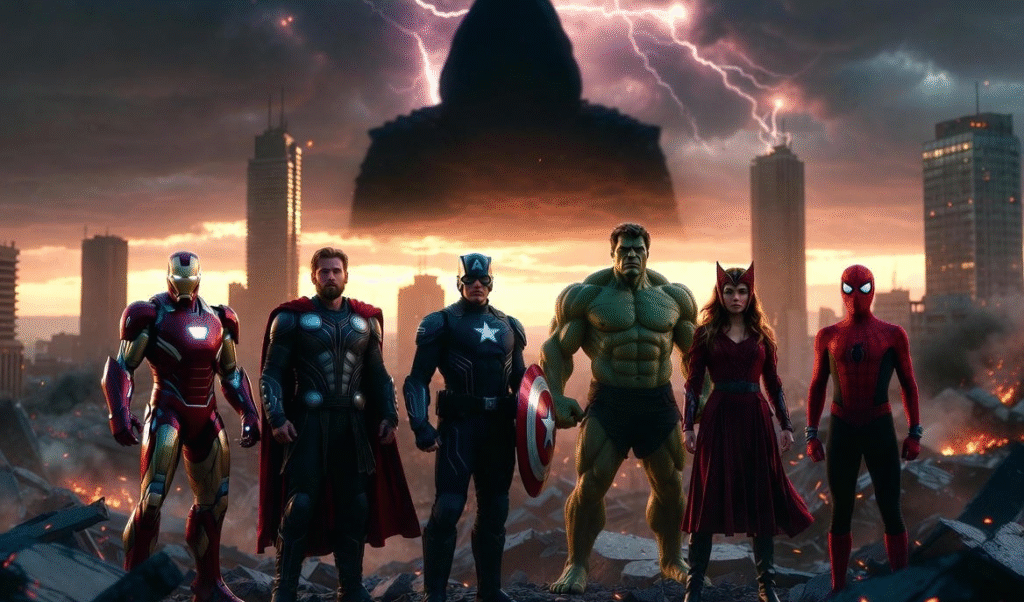
The Avengers: Doomsday teaser dropped with minimal warning and maximal impact. Clocking in at just 90 seconds, Marvel Studios’ approach here differs significantly from their usual trailer strategy. Instead of the rapid-fire montage of quips and action beats fans have come to expect, this teaser lingers on atmosphere and dread.
The opening shot—a slow pan across a devastated New York skyline—immediately establishes the stakes. We catch fleeting glimpses of what appears to be an alternate reality bleeding into the main MCU timeline, with brief flashes of familiar heroes in unfamiliar circumstances. The money shot arrives in the final fifteen seconds: a figure emerging from dimensional rifts, their identity obscured but their threat level unmistakable.
What makes this teaser particularly noteworthy is its restraint. Marvel is betting that mystery and mood will generate more conversation than spectacle, a calculated risk that’s already paying off. The lack of dialogue forces viewers to scrutinize every visual detail, sparking frame-by-frame analysis across social media platforms.
Why Trailer Views Indicate Box Office Potential
Trailer performance has evolved from simple marketing metrics to predictive analytics tools. The Avengers: Doomsday teaser accumulated 150 million views across platforms within 24 hours—a number that entertainment analysts are parsing for insights into the film’s eventual box office trajectory.
Historical data supports the correlation. Films whose trailers exceed 100 million views on the first day typically open north of $150 million domestically, assuming quality delivers on the preview’s promise. But raw numbers only tell part of the story. Engagement metrics likes, shares, comment volume, and watch-through rate—provide deeper intelligence about audience enthusiasm.
The Doomsday teaser shows particularly strong performance in the crucial 18-34 demographic, with a 78% watch-through rate (viewers who watched to completion). That retention suggests the creative choices are landing with the core audience. The comments section reveals another positive indicator: fans are theorizing rather than complaining, a sign that the preview has successfully intrigued without alienating.
Other 2026 trailers show varied performance patterns. The Untitled Jordan Peele Project teaser—released the same week—garnered fewer total views but demonstrated higher engagement rates, with shares outpacing views by an unusual margin. This pattern typically indicates a film with strong word-of-mouth potential among cinephiles, even if it won’t achieve blockbuster-level awareness.
Studio executives now monitor these metrics in real-time, sometimes making post-production adjustments based on trailer reception. If a particular character moment or action sequence generates disproportionate buzz, expect to see more of it in the final cut. Conversely, elements that fall flat in preview form may get trimmed.
What These Previews Tell Us About the Films
Beyond view counts, the substance of these early 2026 trailers reveals strategic thinking about theatrical positioning and audience expectations.
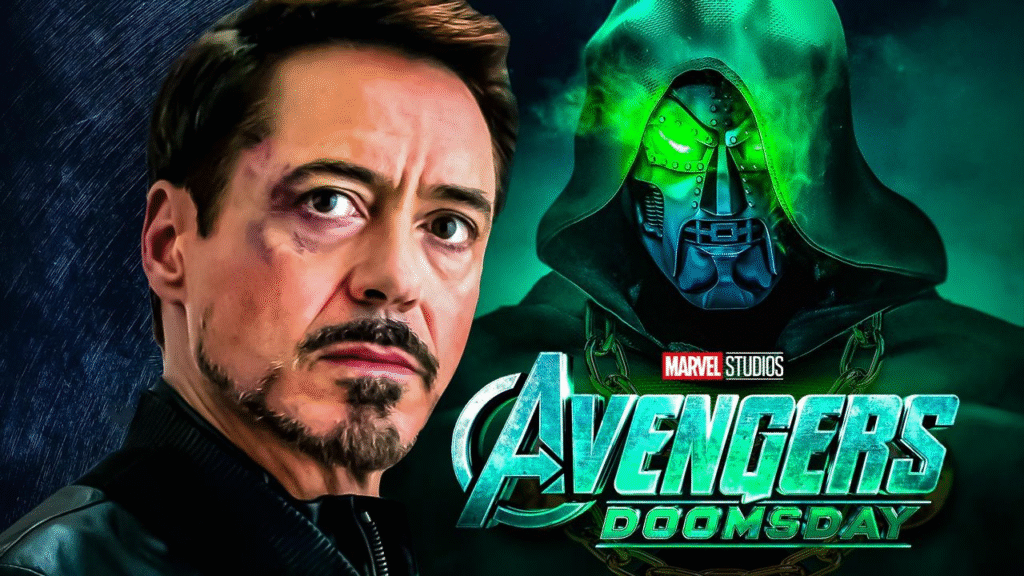
The Avengers: Doomsday teaser’s atmospheric approach suggests Marvel is consciously pivoting away from the joke-heavy tone that’s drawn criticism in recent phases. By leading with stakes and visual storytelling, they’re signaling a return to the dramatic weight that made Infinity War resonate. The dimensional rift imagery hints at multiverse consequences finally coming home to roost—a narrative thread fans have been anticipating since the concept was introduced.
The timing of these trailer releases also matters. Dropping a teaser eighteen months before release demonstrates supreme confidence. Studios only commit to this timeline when they’re certain the project won’t experience significant delays and when they want to establish early narrative dominance over a release window. Doomsday is essentially planting a flag in summer 2026, warning competitors that this will be the film to beat.
Other previews reveal different strategies. Several trailers for original IP are emphasizing star power and high-concept premises over extended plot details—the classic approach when you don’t have franchise recognition to lean on. The emphasis on practical effects and location shooting in multiple previews suggests a collective industry response to audiences craving tangible filmmaking in an increasingly digital landscape.
What’s conspicuously absent from most 2026 trailers? Excessive CGI showcases and overcomplicated plot exposition. The most effective previews understand that modern audiences are sophisticated enough to grasp concepts quickly and savvy enough to spot when special effects aren’t finished. Better to tease completed sequences than oversell unfinished ones.
For movie buffs planning their 2026 viewing calendar, these trailers function as valuable reconnaissance. The films confident enough to show restraint—to trust their premise and withhold their best cards—tend to deliver more satisfying theatrical experiences. Conversely, trailers that front-load every major set piece often indicate studios worried about getting audiences into seats opening weekend before word-of-mouth spreads.
The Avengers: Doomsday teaser exemplifies the former approach. By revealing tone and threat level while concealing specific plot mechanics and character arcs, Marvel is inviting speculation rather than satisfaction. That’s the mark of a preview that understands its job: to make you want more, not to give you everything.
As more 2026 trailers drop in coming months, watch for these indicators of quality: visual cohesion, narrative intrigue without confusion, and moments that feel cinematic rather than televisual. The films that nail these elements in preview form rarely disappoint when the lights go down.
Frequently Asked Questions
Q: When will the full Avengers: Doomsday trailer be released?
A: While Marvel hasn’t confirmed an official date, full trailers for MCU films typically arrive 4-6 months before release. Given Doomsday’s summer 2026 release window, expect the full trailer in early 2026, likely attached to a major theatrical release or dropped during a sporting event like the Super Bowl.
Q: Do high trailer view counts actually predict box office success?
A: Yes, with important caveats. Films whose trailers exceed 100 million views in 24 hours historically open above $150 million domestically, but the final box office depends on the film’s actual quality, word-of-mouth, and competition. Engagement metrics like watch-through rate and share count often predict success more accurately than raw view numbers alone.
Q: Why are studios releasing trailers so far in advance now?
A: Early trailer releases (12-18 months out) serve multiple purposes: they establish dominance over a release window, generate early buzz that sustains through production, and demonstrate studio confidence in the project. This strategy works best for franchise films with built-in audiences who will remain engaged over extended marketing campaigns.
Q: How can I analyze trailers like industry professionals do?
A: Focus on four key areas: visual storytelling (does the imagery convey tone without dialogue?), narrative intrigue (are you curious without being confused?), technical execution (do effects look finished?), and strategic positioning (what audience is this targeting?). Also watch for what’s NOT shown, restrained trailers often indicate stronger final products.