
What to Expect from the MCU
Marvel just dropped two massive announcements – here’s what it all means for the future of the franchise and what fans should prepare for as the MCU enters its next critical phase.
The Stakes Have Never Been Higher
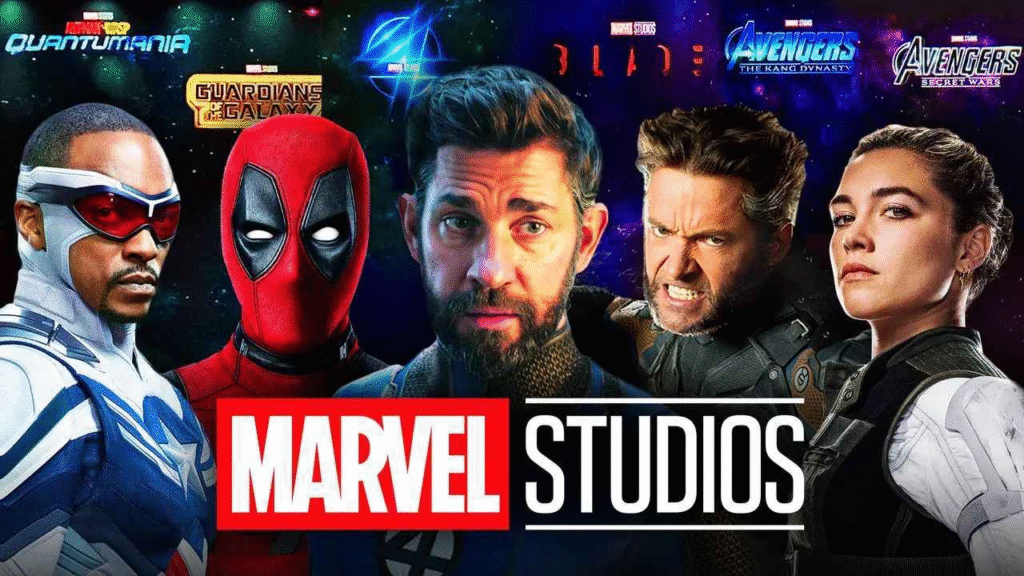
With Avengers: Doomsday set for December 2026 and Wonder Man premiering on Disney+ in January of the same year, Marvel Studios is positioning 2026 as a pivotal year that will define the trajectory of the Multiverse Saga. These aren’t just random releases on a crowded calendar – they represent Marvel’s calculated strategy to rebuild momentum after a turbulent few years of mixed reception and audience fatigue. For fans trying to navigate what’s worth their time and investment, understanding how these two very different projects fit together is essential.
Avengers: Doomsday – Decoding the December 2026 Release
The title alone tells us everything about where Marvel is heading. “Doomsday” isn’t subtle, and it’s not meant to be. This is Marvel’s signal that the stakes are escalating beyond anything we’ve seen in the Infinity Saga, and the December 2026 release date positions it as the holiday event film that will dominate year-end box office conversations.
What the Title Reveals
The “Doomsday” moniker carries significant weight in Marvel comics lore, though Marvel Studios has historically taken creative liberties with source material. The title suggests an extinction-level threat that goes beyond Thanos’s snap – we’re potentially looking at multiversal collapse, timeline destruction, or reality-ending consequences that affect every character we’ve come to know across the MCU’s 15+ year history. This isn’t Endgame 2.0. The narrative framework appears built around consequence and inevitability rather than reversibility. Where Endgame offered the hope of undoing catastrophe, Doomsday’s very name suggests we’re heading toward something that cannot be simply fixed with time travel or Infinity Stones. It’s a darker, more mature direction that reflects both the evolution of the MCU’s storytelling ambitions and the older demographic of fans who’ve grown up with these films.
Strategic Release Timing
December 2026 is no accident. Marvel has historically owned May release windows, but the December slot proved phenomenally successful for Avatar: The Way of Water and Star Wars films. By positioning Avengers: Doomsday here, Marvel is banking on:
– Holiday moviegoing traditions when families have time for theatrical experiences
– Reduced competition from other superhero properties
– Extended box office legs through New Year’s and into January
– Awards season consideration for technical categories
This December positioning also allows Marvel to build anticipation throughout 2026, with Wonder Man and other Disney+ series serving as narrative appetizers that develop character arcs and plot threads that will converge in Doomsday.
The Cast and Character Implications
While full casting hasn’t been officially confirmed, the Avengers branding demands ensemble storytelling on a massive scale. The real question is which generation of heroes takes center stage. The original six Avengers have largely concluded their arcs, meaning Doomsday must establish new leadership while honoring legacy characters. Expect to see the MCU’s newer heroes stepping into prominence: Sam Wilson’s Captain America, Shang-Chi, the Eternals survivors, and potentially mutant characters, depending on how Marvel integrates X-Men properties. The multiverse element also allows for variant appearances and cameos that can satisfy fan service while advancing the core narrative. The December 2026 date gives Marvel substantial runway to develop these characters through 2025 and early 2026 releases, ensuring audiences are invested before Doomsday brings everyone together.
Wonder Man – January Premiere and MCU Implications
Wonder Man arriving on Disney+ in January 2026 might seem like an odd choice for Marvel – this isn’t Spider-Man or Captain America. But that’s precisely the point. Wonder Man represents Marvel’s commitment to exploring lesser-known characters while strategically building out corners of the MCU that will matter for larger narratives.
Who Is Wonder Man and Why Now?
Simon Williams, aka Wonder Man, is a character witha rich comic book history but limited mainstream recognition. His powers (ionic energy-based superhuman abilities), his background as an actor and stuntman, and his complicated relationship with the Avengers offer Marvel storytelling opportunities that break from the traditional superhero mould.
The January premiere timing is strategic for several reasons:
– It kicks off 2026 with MCU content that builds anticipation for Doomsday
– January is historically a dead zone for theatrical releases, making it prime real estate for streaming content
– It allows Marvel to introduce Wonder Man and establish his importance before he potentially appears in Doomsday
– The series can explore Hollywood culture and the entertainment industry through a superhero lens, offering meta-commentary that differentiates it from standard MCU fare
The Disney+ Strategy
Wonder Man exemplifies Marvel’s refined approach to Disney+ after learning hard lessons from earlier series. Rather than treating streaming shows as extended movie commercials, Marvel appears committed to letting Wonder Man stand as its own story while naturally connecting to the broader MCU. The series format allows for character development impossible in a two-hour film. We can explore Simon’s transformation, his struggles with power and identity, and his relationships with other heroes in ways that feel earned rather than rushed. This depth makes his eventual appearance in team-up films like Doomsday more emotionally resonant.
MCU Connectivity
Wonder Man’s connections to established MCU elements are crucial. In comics, he has ties to the Avengers, the Masters of Evil, and even Vision (some iterations of Vision’s brain patterns were based on Simon’s). Any or all of these connections could be adapted for the MCU, creating narrative threads that tie into:
– The West Coast Avengers concept that’s been rumored
– Villain organizations that could be building toward Doomsday
– Vision’s continued existence after WandaVision
– The broader question of what it means to be a hero in a post-Blip world
January’s premiere date means Wonder Man serves as the appetizer for 2026’s MCU offerings, setting the tone and introducing concepts that will pay off in Doomsday eleven months later.
How These Releases Fit Into Marvel’s Phase Strategy
Understanding where Avengers: Doomsday and Wonder Man fit requires looking at Marvel’s larger Phase architecture. These aren’t isolated projects – they’re pieces of a puzzle that’s been assembling since the Multiverse Saga began.
The Multiverse Saga Architecture
Marvel has structured this saga differently from the Infinity Saga. Rather than building linearly toward one villain across three phases, we’re seeing multiple narrative threads:
– Multiverse chaos and variants
– New hero development and legacy character transitions
– Cosmic expansion and supernatural integration
– Street-level and personal stories that ground the fantasy
Wonder Man addresses the latter while Doomsday presumably brings the multiverse elements to a crisis point. This balance between intimate character work and cosmic-scale threats is essential for preventing audience fatigue.
The Disney+ and Theatrical Balance
Marvel’s 2026 strategy shows they’ve learned to use Disney+ strategically rather than oversaturating the platform. Wonder Man in January won’t be competing with other Marvel series for attention – it gets room to breathe and build audience investment. By the time Doomsday arrives in December, viewers will have spent a year engaging with MCU content at a measured pace rather than feeling overwhelmed. This pacing correction addresses one of the biggest criticisms of Marvel’s 2021-2023 output: too much content with insufficient quality control. By spacing releases and ensuring each project has a distinct identity and purpose, Marvel is working to restore the “event” feeling that made earlier MCU releases appointment viewing.
Building Toward the Saga Conclusion
If the Multiverse Saga follows the Infinity Saga’s three-phase structure, Doomsday likely represents a Phase 5 or Phase 6 culmination point – not the absolute ending, but a major milestone that reshapes the MCU landscape. Wonder Man’s role is to ensure the universe feels populated and lived-in before Doomsday tears it apart. The December 2026 date for Doomsday suggests Marvel is planning at least one more Avengers film to properly conclude the saga, likely in 2028 or 2029. This gives them room for Doomsday to be a devastating mid-point that raises stakes without requiring a neat resolution, much like Infinity War functioned.
What This Means for Fans
For Marvel enthusiasts trying to decide where to invest their time and attention, these announcements clarify several things:
Wonder Man is worth watching if you want to understand the full scope of what Doomsday will draw upon. Marvel is moving away from requiring viewers to watch everything, but rewarding those who do with a richer experience.
Doomsday is being positioned as essential viewing – not just for MCU completists but for anyone who wants to experience the next major evolution of superhero cinema. The December date and title both signal that this is an event film.
2026 represents a rebuilding year where Marvel reestablishes creative momentum and audience trust after a period of uncertainty. These aren’t desperate moves but calculated steps to restore the MCU’s position as the dominant force in blockbuster entertainment. The gap between Wonder Man’s January premiere and Doomsday’s December release also suggests additional MCU content throughout 2026 – likely theatrical releases and possibly other Disney+ series that will further develop the narrative landscape.
The Bigger Picture
Marvel’s 2026 slate reveals a studio that’s learned from both its successes and stumbles. Wonder Man represents creative risk-taking with lesser-known IP, trusting that good storytelling will find an audience regardless of character recognition. Avengers: Doomsday represents confidence in the franchise’s ability to deliver event films that dominate cultural conversation.
Together, these releases show Marvel balancing innovation with franchise maintenance, new characters with established favorites, and streaming content with theatrical spectacle. For fans, 2026 offers something for every level of MCU investment – from casual viewers who’ll show up for Doomsday to dedicated enthusiasts who’ll dissect every Wonder Man episode for Easter eggs. The real test will be execution. Announcements and strategy only matter if the final products deliver quality that justifies audience investment. But with these two releases, Marvel has at least demonstrated they understand what’s needed: strategic pacing, clear stakes, and content that feels both connected and individually worthwhile. 2026 won’t make or break the MCU – the franchise is too established for that. But it will determine whether Marvel’s next chapter recaptures the momentum of its peak years or settles into comfortable mediocrity. Based on these announcements, Marvel is swinging for the fences rather than playing it safe, which is exactly what the franchise needs at this pivotal moment.
Frequently Asked Questions
Q: When does Avengers: Doomsday release?
A: Avengers: Doomsday is scheduled for a December 2026 theatrical release, positioning it as the major holiday blockbuster and year-end MCU event film.
Q: What is Wonder Man about?
A: Wonder Man is a Disney+ series premiering in January 2026 that follows Simon Williams, a lesser-known Marvel character with ionic energy powers and a background in the entertainment industry. The series will explore his origin and connection to the larger MCU.
Q: Do I need to watch Wonder Man to understand Avengers: Doomsday?
A: While Marvel is moving toward making projects more standalone, Wonder Man will likely introduce characters, concepts, and storylines that enhance the Avengers: Doomsday experience. It’s not strictly required, but it will probably provide valuable context and deeper emotional investment.
Q: What does the title ‘Doomsday’ tell us about the movie?
A: The ‘Doomsday’ title suggests an extinction-level, potentially irreversible threat – darker and more consequential than previous Avengers films. It implies multiversal collapse or reality-ending stakes that go beyond what we saw with Thanos.
Q: Why is Marvel releasing an Avengers movie in December instead of May?
A: The December release date capitalizes on holiday moviegoing, reduces competition from other superhero films, allows for extended box office performance through the new year, and positions Doomsday as the culminating event film after a year of MCU content building toward it.