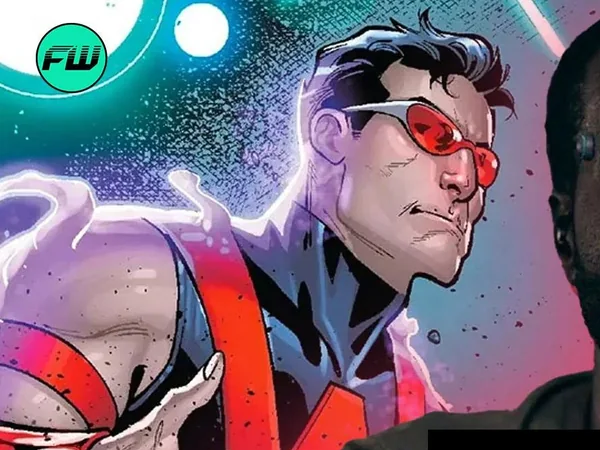

MCU’s Wonder Man: Everything We Know So Far About Marvel’s Newest Hero
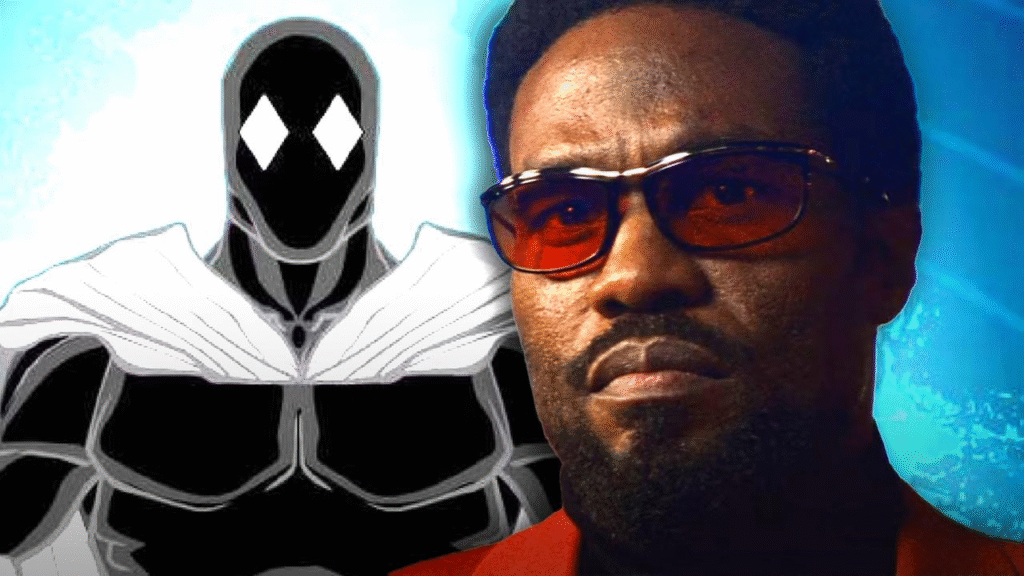
Who is Wonder Man? Here’s why this Marvel series matters—not just for completists tracking every MCU expansion, but for anyone curious about how Marvel Studios continues mining six decades of comic history for fresh narratives. As the MCU expands beyond household names like Iron Man and Captain America, characters like Simon Williams represent both opportunity and challenge: introducing lesser-known heroes to audiences who may wonder why they should care about yet another superpowered individual in an increasingly crowded universe.
The Comic Book Foundation: Understanding Simon Williams
Wonder Man first appeared in Avengers #9 (1964), created by Stan Lee, Jack Kirby, and Don Heck. Unlike many heroes who start with altruistic intentions, Simon Williams debuted as a villain—a detail that immediately distinguishes him from straightforward origin stories.
Simon Williams was a failed industrialist whose company crumbled under competition from Tony Stark’s Stark Industries. Desperate and bitter, he accepted an offer from Baron Zemo and the Masters of Evil: undergo an experimental ionic energy treatment that would grant him superhuman abilities. The transformation worked, giving Williams extraordinary strength, durability, flight, and near-invulnerability. The catch? Zemo claimed the process was unstable and Williams would die without regular treatments—a lie designed to ensure his loyalty.
Zemo’s plan involved infiltrating Williams into the Avengers as a supposed reformed villain, only to betray them from within. But something unexpected happened: Simon Williams developed genuine respect for the heroes. In his first appearance’s climax, he sacrificed himself to save the Avengers, apparently dying in the process.
This redemptive arc became Wonder Man’s defining characteristic. When he eventually returned to life (as comic characters do), Williams became one of the Avengers’ most loyal members. His ionic energy form meant death wasn’t permanent for him—he existed as dispersed energy that could reconstitute given time. This pseudo-immortality became both a blessing and a curse, allowing writers to explore themes of identity, purpose, and what it means to be truly alive.
Wonder Man’s powers evolved considerably over the decades of publication. His ionic energy grants him Class 100 strength (comparable to Thor or Hulk in certain incarnations), virtual invulnerability, flight, and energy manipulation abilities. He doesn’t age and doesn’t require food, water, or oxygen. Yet his powers came with psychological costs—Williams struggled with the question of whether he was truly alive or merely animated energy in human form.
Beyond superheroics, Simon Williams pursued an acting career in the comics, becoming a Hollywood stuntman and actor. This dual identity as superhero and entertainer created unique storytelling opportunities, blending celebrity culture with superhuman adventure. His relationships with other Avengers, particularly a complicated romance with Scarlet Witch and a deep friendship/rivalry with Beast, added emotional depth beyond his powers.
The MCU Context: Where Wonder Man Fits
For new Marvel fans wondering why Wonder Man matters now, the answer lies in both timing and thematic relevance. The MCU has reached a phase where it must balance familiar elements with innovation. After the Infinity Saga concluded, Marvel Studios faces the challenge of maintaining audience investment while introducing new players.
Wonder Man’s connections to established MCU elements are surprisingly numerous. His origin involves Stark Industries, immediately linking him to the franchise’s foundation. His ionic transformation could connect to various established MCU technologies and energies—from the Infinity Stones to whatever form the post-Endgame scientific landscape takes.
The character’s struggle with identity and genuine existence resonates with themes Marvel has successfully explored before. Vision’s journey questioning his own consciousness and humanity parallels Wonder Man’s existential concerns. In the comics, Vision’s brain patterns were actually based on Simon Williams’, creating a literal connection between the characters. While the MCU may or may not preserve this specific detail, the thematic overlap suggests natural storytelling synergy.
Wonder Man’s entertainment industry career offers Marvel Studios a clever narrative device: meta-commentary on superhero celebrity. The MCU has touched on this with characters acknowledging their fame, but a protagonist actively working in Hollywood creates opportunities for self-aware storytelling that could feel fresh rather than formulaic.
The series format itself signals Marvel’s evolving strategy. Unlike theatrical releases that must appeal to the broadest possible audience, Disney+ series allow deeper character exploration. Wonder Man doesn’t need to carry a $200 million box office—he needs to engage viewers enough to maintain their subscriptions and investment in the broader MCU tapestry.
This creates space for more nuanced storytelling. The series can explore Simon Williams’ transformation, his moral conflicts, and his relationships without the breakneck pacing that theatrical releases often require. The show can afford to be a character study wrapped in superhero trappings.
Production Insights: What We Know About the Series
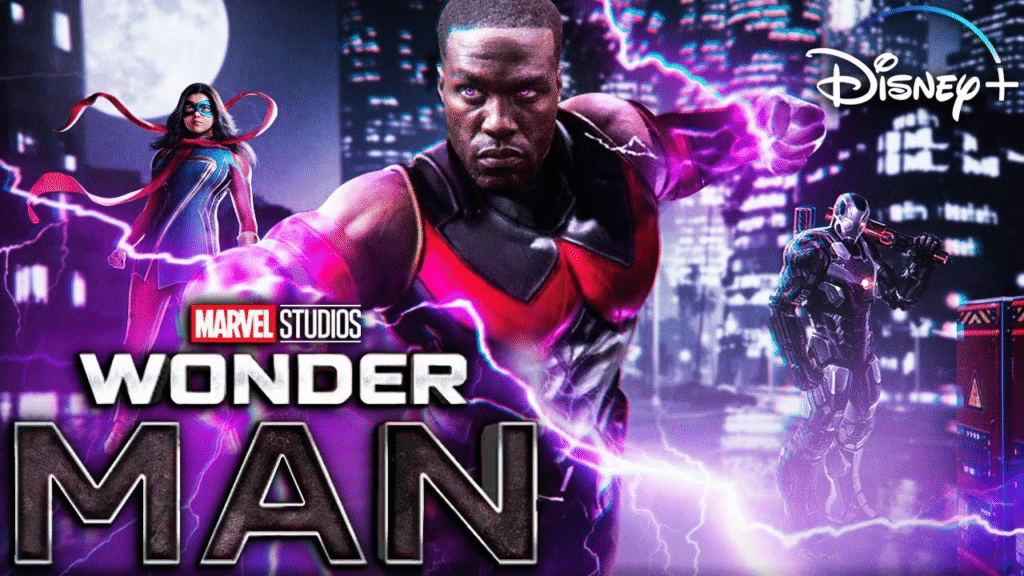
Yahya Abdul-Mateen II headlines as Simon Williams/Wonder Man, a casting choice that signals Marvel’s intentions. Abdul-Mateen has demonstrated a range from Watchmen*’s complex Cal Abar to *Candyman‘s tortured artist. He brings gravitas that suggests the series will emphasise dramatic depth over pure spectacle.
Ben Kingsley returns as Trevor Slattery, the actor from Iron Man 3* and *Shang-Chi and the Legend of the Ten Rings. Slattery’s inclusion reinforces the series’ Hollywood setting and suggests comedy will balance the dramatic elements. The character’s previous appearances walked the line between parody and pathos—his presence indicates Wonder Man will embrace tonal complexity.
Ed Harris joins as an undisclosed character, bringing heavyweight acting credentials. His involvement suggests Marvel is prioritizing performance and character work. Demetrius Grosse rounds out the announced cast members, though details about his role remain under wraps.
Andrew Guest serves as head writer, bringing experience from shows like Brooklyn Nine-Nine* and *Community—comedies known for character-driven storytelling and ensemble dynamics. This background suggests Wonder Man will blend superhero action with comedy and emotional resonance, likely leaning into the entertainment industry setting for both humor and commentary.
Destin Daniel Cretton, who directed Shang-Chi and the Legend of the Ten Rings, executive produces and likely directs episodes. His involvement creates stylistic continuity with established MCU properties, while his proven ability to balance action, emotion, and humor suggests the series will maintain Marvel’s accessible tone.
The production’s Hollywood setting has been confirmed through set photos and official announcements. This meta-textual approach—a superhero series about a superhero working in entertainment—allows Marvel to comment on its own industry position while telling a character-driven story.
Trailer analysis reveals a visual approach emphasizing character over spectacle. While Wonder Man’s powers will certainly feature, early footage suggests the series prioritizes Simon Williams’ personal journey. The ionic energy effects appear integrated naturally rather than dominating scenes, supporting narrative over visual bombast.
The series likely connects to broader MCU developments without requiring extensive homework. While references to established events and characters will reward longtime fans, the story appears designed to work as a standalone introduction. This balance—accessibility for newcomers, depth for completists—defines Marvel’s streaming strategy.
Why Wonder Man Matters Beyond Another Superhero Show
For viewers wondering whether they need to invest in yet another MCU property, Wonder Man represents something beyond franchise obligation. The character’s core appeal—someone given extraordinary power through manipulation, who chooses heroism despite origins in villainy and exploitation—resonates beyond comic book trappings.
Simon Williams’ story asks questions about second chances, about whether our origins define us or our choices do. His struggle with literal existence, questioning whether he’s truly alive or merely animated energy, parallels very human anxieties about purpose and authenticity. In an era of digital personas and curated identities, a character questioning his own reality carries unexpected relevance.
The entertainment industry setting allows Marvel to examine celebrity and commercialization from inside the machine. A superhero navigating Hollywood while being a superhero creates opportunities for satire and sincerity in equal measure. It’s a premise that could collapse into self-indulgent navel-gazing or emerge as clever commentary—the creative team’s track record suggests the latter.
For the MCU’s future, Wonder Man serves as a test case: Can Marvel successfully introduce genuinely obscure characters to mainstream audiences through well-crafted storytelling? If audiences connect with Simon Williams despite never having heard of him, it validates Marvel’s long-term strategy of mining deep catalog characters rather than rehashing the same dozen heroes indefinitely.
The series arrives at a crossroads for superhero entertainment. Audience fatigue is real, but so is the appetite for well-told stories with compelling characters. Wonder Man must justify its existence not through connection to bigger franchises but through its own merits. That pressure, paradoxically, may liberate the creative team to take risks and prioritize character over spectacle.
Ultimately, Wonder Man matters because it represents Marvel Studios’ willingness to trust audiences with something beyond safe bets. Simon Williams isn’t a household name—that’s precisely the point. In introducing him thoughtfully, Marvel can demonstrate that the MCU remains capable of surprise and genuine discovery, not merely remixing familiar elements with diminishing returns.
Whether you’re a completist tracking every MCU development or a casual viewer curious about Marvel’s next chapter, Wonder Man offers an entry point into both a specific character’s journey and larger questions about heroism, identity, and purpose. That’s why this series matters—not because you must watch it to understand future crossovers, but because it might offer something genuinely worth watching on its own terms.
Frequently Asked Questions
Q: Who is Wonder Man in Marvel Comics?
A: Wonder Man is Simon Williams, a failed industrialist who gained ionic energy-based superpowers after being manipulated by villain Baron Zemo. Initially created to infiltrate and betray the Avengers, he instead sacrificed himself to save them and later became one of the team’s most loyal members. His powers include superhuman strength, invulnerability, flight, and a form of immortality through his ionic energy composition.
Q: How powerful is Wonder Man compared to other Marvel heroes?
A: Wonder Man possesses Class 100 strength, putting him in the same tier as Thor and Hulk in certain incarnations. His ionic energy form grants him near-invulnerability, flight, energy manipulation, and functional immortality since his consciousness exists as dispersed energy that can reconstitute. He doesn’t require food, water, or oxygen, making him one of the more powerful Avengers in the comics.
Q: Who plays Wonder Man in the MCU series?
A: Yahya Abdul-Mateen II stars as Simon Williams/Wonder Man. The series also features Ben Kingsley returning as Trevor Slattery, Ed Harris in an undisclosed role, and Demetrius Grosse. The show is executive-produced by Destin Daniel Cretton (director of Shang-Chi) with Andrew Guest serving as head writer.
Q: Do I need to watch other MCU content before WandaVision?
A: The series appears designed to work as a standalone introduction while rewarding longtime fans with connections to the broader MCU. While Wonder Man’s comic origins involve Stark Industries and connections to characters like Vision, the show seems structured to be accessible to newcomers without requiring extensive MCU knowledge.
Q: What makes Wonder Man different from other superhero shows?
A: Wonder Man uniquely explores the entertainment industry from within, with the protagonist working as an actor in Hollywood while being a superhero. This meta-textual approach allows for commentary on celebrity and superhero culture. Additionally, the character’s redemptive arc—from manipulated villain to genuine hero—and existential questions about his own existence provide dramatic depth beyond typical origin stories.