

What Makes a Great Movie Trailer
Let’s break down what makes these trailers so effective. In an era where trailers can make or break a film’s opening weekend, understanding the construction techniques behind successful previews has become essential for creators and fans alike. The modern movie trailer walks a tightrope—reveal too much, and you spoil the experience; reveal too little, and audiences won’t care. By examining recent blockbuster trailers as case studies, we can decode the specific techniques that turn two minutes of footage into cultural phenomena.
The Marvel Formula: Story Reveal vs Mystery Balance
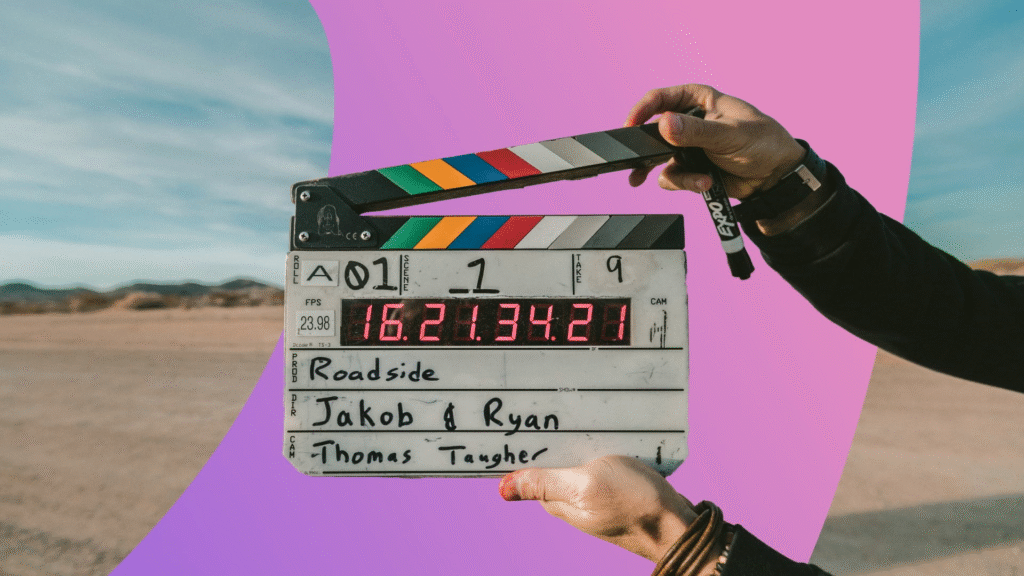
Marvel Studios has perfected an approach to trailer construction that other studios desperately try to replicate. Their success lies in a deceptively simple principle: show the setup, hide the payoff. When you watch a Marvel trailer, you’re getting a carefully calibrated dose of information that answers exactly one question while raising three more.
Consider how Marvel structures their first act reveals. They establish the protagonist’s emotional state, introduce the central conflict, and showcase the supporting cast—but they do this through carefully selected moments that feel complete while remaining fragments. A hero stares pensively at their costume. A mentor figure delivers a warning. An antagonist appears in shadow. Each beat gives you information, but that information creates questions rather than answers.
The genius lies in the false climax technique. Marvel trailers typically build to what appears to be a major reveal around the 90-second mark—a shocking character appearance, a massive action setpiece, or an emotional confrontation. Your brain processes this as the trailer’s climax, the biggest thing they’re willing to show. But it’s rarely the actual climax of the film. It’s usually from the end of Act One orthe beginning of Act Two.
This misdirection works because it satisfies the viewer’s need for a “trailer moment” while preserving the actual story. You leave thinking you know what the movie is about, but you’ve really only seen the launching pad. The real turns, the genuine surprises, remain locked away.
Marvel also employs strategic omission in their dialogue cuts. Characters speak in fragments. “We have to stop him before…” Before what? “I never thought I’d see you again.” Where were you? The human brain abhors incomplete patterns, so it immediately begins filling in blanks, theorizing, and engaging. This cognitive investment transforms passive viewers into active participants who feel personally connected to the unreleased film.
The studio’s approach to character reveals deserves special attention. Major character appearances are doled out like breadcrumbs across multiple trailers. The first teaser might show a silhouette. The second trailer reveals the face. The final trailer before release might give them a single line of dialogue. This graduated revelation keeps the conversation alive for months, with each new trailer becoming an event unto itself.
Music and Pacing: Lessons from RajaSaab
The RajaSaab trailer demonstrates how music and pacing can elevate cultural specificity into universal appeal. Unlike the Hollywood blockbuster approach of wall-to-wall orchestral scoring, this trailer employs a rhythmic structure that mirrors traditional storytelling patterns while building modern cinematic tension.
The opening fifteen seconds use silence strategically. In a media landscape where trailers often assault viewers with immediate stimulation, starting with quiet confidence signals that the filmmakers trust their material. This brief silence, broken only by ambient sound or a single instrumental note, forces the viewer to lean in rather than tune out. It’s the cinematic equivalent of a storyteller clearing their throat before beginning a tale.
As the RajaSaab trailer progresses, it employs a technique called rhythmic escalation. The music doesn’t just get louder—it gets more complex. It begins with a single melodic line, perhaps a traditional instrument playing alone. Then percussion enters, establishing a pulse. Strings or modern electronic elements layer in, creating density. This mirrors the trailer’s visual escalation from intimate character moments to large-scale spectacle.
The pacing technique on display reveals a sophisticated understanding of viewer attention spans. The trailer operates in 10-15 second modules. Each module contains one complete idea: a character introduction, an action beat, a comedic moment, an emotional exchange. These modules are punctuated by brief moments of breath—a single held shot, a pause in the music—that prevent cognitive overload.
What makes the music selection particularly effective is its cultural grounding. The RajaSaab trailer doesn’t abandon its regional musical identity to chase Western orchestral trends. Instead, it synthesizes traditional instrumentation with contemporary production techniques. A classical vocal technique might be processed through modern audio effects. Traditional rhythmic patterns might be played on electronic drums. This creates a sound that’s simultaneously familiar and fresh, honoring the source material while signaling modern production values.
The trailer also demonstrates dynamic range awareness. In sound mixing, dynamic range refers to the difference between the quietest and loudest moments. A trailer with poor dynamic range sounds flat—everything at the same volume, nothing standing out. The RajaSaab trailer uses dramatic shifts in volume and intensity to emphasize key moments. A whispered line of dialogue cuts through silence with more impact than shouting could achieve. An action beat hits harder because the moment before it was quiet.
Pacing-wise, the trailer employs what editors call “the accelerating heartbeat.” Early cuts linger for 3-4 seconds, allowing viewers to absorb visual information and establish the world. As the trailer progresses, cuts speed up—2 seconds, then 1 second, then rapid half-second flashes near the climax. This mimics physiological arousal, literally increasing the viewer’s heart rate and creating excitement through pure editing rhythm.
Cultural Adaptation in Multi-Language Releases
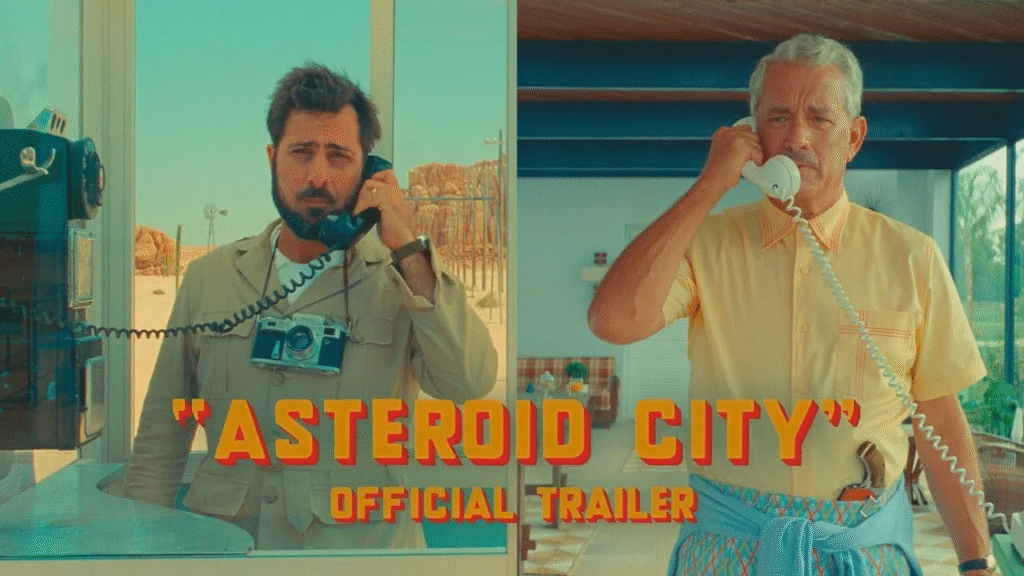
The multi-language trailer release strategy represents one of the most significant evolutions in modern film marketing, and its execution reveals a deep understanding of cultural psychology. Creating effective trailers for different language markets isn’t simply translation—it’s cultural transcreation, where the same story must resonate with fundamentally different viewer expectations.
The first challenge is dialogue selection. A line that lands perfectly in Telugu might fall flat when directly translated to Hindi, or lose its impact entirely in English. Sophisticated multi-language releases don’t just translate—they substitute. They identify moments in the footage where a different line, perhaps from a different scene entirely, better captures the intended emotion for that specific audience.
Consider how humor travels—or doesn’t. Wordplay, cultural references, and comedic timing vary dramatically across regions. A trailer for the Hindi market might emphasize different comedic beats than the Tamil version, not because one market is more sophisticated than another, but because laughter triggers are culturally specific. The same film can be marketed as an action-comedy in one region and a dramatic thriller in another, using different footage to emphasize different tonal elements.
Music choices in multi-language releases reveal fascinating cultural priorities. A Telugu trailer might feature high-energy mass appeal numbers that showcase the star’s charisma. The Tamil version might emphasize melodic depth and lyrical sophistication. The Hindi version might opt for a more pan-Indian sound that doesn’t skew too heavily regional. These aren’t random choices—they’re based on decades of understanding what each market responds to emotionally.
The visual editing itself often changes between language versions. Different cultures have different comfort levels with pacing. Some markets prefer rapid-fire cutting that creates excitement through pure velocity. Others respond better to slightly longer takes that allow star power to register. The difference might be just a few frames per cut, but cumulatively across a two-minute trailer, it creates a distinctly different viewing experience.
Voiceover narration, when used, must be culturally calibrated. The authoritative male voice that works in one market might seem dated in another that prefers female narration or no voiceover at all. The language itself—formal versus colloquial, traditional versus contemporary slang—positions the film differently in each market’s cultural landscape.
Perhaps most importantly, multi-language releases must navigate different spoiler tolerances. Some markets want to know exactly what they’re getting before buying a ticket. Others prefer mystery and discovery. A trailer that reveals the major twist might perform well in markets where “value preview” is expected, while alienating markets where surprise is prized. This means footage selection itself varies, with some versions revealing plot points that others carefully obscure.
The release timing strategy also differs culturally. In some markets, dropping a trailer during a major festival or cultural event creates maximum impact. In others, avoiding competition from cultural events prevents the trailer from being drowned out. Global releases must coordinate these cultural calendars, sometimes resulting in the same film having “first trailer” releases weeks apart in different regions.
The Synthesis: What Makes Trailers Work
Examining these case studies reveals that great trailers succeed by respecting viewer intelligence while understanding viewer psychology. They’re not accidents—they’re engineered experiences built on principles of storytelling, pacing, cultural awareness, and emotional manipulation in the best sense of that term.
The Marvel approach teaches us that mystery isn’t about hiding everything—it’s about revealing strategically. The RajaSaab analysis shows how technical elements like music and pacing create subconscious emotional responses that transcend language. The multi-language release strategy demonstrates that effective marketing recognises cultural specificity rather than trying to impose one-size-fits-all solutions.
For creators studying trailer construction, the key takeaway is intentionality. Every cut, every music cue, every line of dialogue should serve a specific purpose. For fans, understanding these techniques doesn’t diminish the magic—it deepens appreciation for the craft involved in those two minutes that convince us to invest two hours.
The trailer has evolved from a simple preview to an art form in its own right, and the best examples demonstrate that effective marketing isn’t about deception—it’s about creating genuine excitement for genuine quality. When trailers and films both deliver on their promises, everyone wins.
Frequently Asked Questions
Q: What is the most important element of a successful movie trailer?
A: The balance between revelation and mystery is crucial. Effective trailers reveal enough to establish the premise, characters, and tone while withholding the actual plot turns and climactic moments. This gives viewers a reason to care while preserving their desire to see the full story unfold.
Q: How does music selection affect trailer effectiveness?
A: Music creates subconscious emotional responses and establishes a pacing rhythm. The most effective trailers use dynamic range—varying between quiet and loud moments—and escalating complexity that mirrors the visual progression from intimate moments to spectacular action. Cultural specificity in music also helps trailers resonate with target audiences.
Q: Why do studios release different trailer versions for different language markets?
A: Different cultures have varying expectations for humor, pacing, spoiler tolerance, and emotional emphasis. Effective multi-language releases translate rather than transcreate, selecting different dialogue, music, and even editing rhythms to resonate with each market’s specific cultural psychology and viewing preferences.
Q: What is the ‘false climax’ technique used in Marvel trailers?
A: Marvel trailers typically build to what appears to be a major reveal around 90 seconds—a shocking moment that feels like the biggest thing they’ll show. However, this is usually from early in the film (Act One or early Act Two), not the actual climax. This satisfies viewers’ need for a ‘trailer moment’ while preserving real surprises.
Q: How long should different sections of a trailer be for optimal pacing?
A: Effective trailers use modular construction with 10-15 second segments, each containing one complete idea. Early cuts typically linger 3-4 seconds to establish the world, then accelerate to 2 seconds, 1 second, and rapid half-second flashes near the climax. This ‘accelerating heartbeat’ mimics physiological arousal and builds excitement through editing rhythm alone.