

Fresh Stories Redefining African Cinema
Nigerian cinema is bringing fresh stories in 2026, and if you’re an African cinema enthusiast searching for quality Nollywood releases that match international production standards, this year promises to be transformative. The landscape of Nigerian filmmaking has evolved dramatically, with a new generation of filmmakers delivering narratives that resonate both locally and globally, combining authentic African storytelling with technical excellence that rivals productions from established film industries.
Almost Rich: A New Chapter for Nigerian Talent
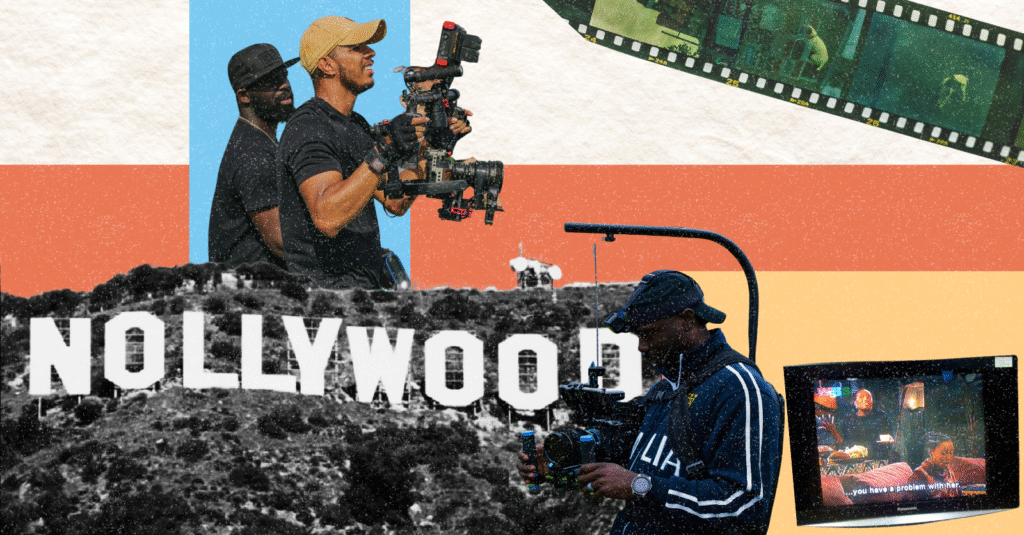
Almost Rich represents the vanguard of this cinematic evolution, introducing audiences to a fresh cadre of Nigerian talent both in front of and behind the camera. The film explores the aspirational culture of Lagos’s middle class with nuanced precision, avoiding the tired tropes that have occasionally plagued earlier Nollywood productions. Director Adaeze Nwankwo, making her feature debut after years of acclaimed short films, brings a visual sophistication to the story of three childhood friends navigating the treacherous waters between their modest backgrounds and their expensive ambitions.
What distinguishes Almost Rich from previous entries in the aspirational drama genre is its refusal to moralize or simplify. The characters—Chidera, a tech entrepreneur skating on the edge of investor fraud; Amaka, a fashion influencer manufacturing a lifestyle she can’t afford; and Tunde, a corporate banker compromising his ethics for advancement—are rendered with remarkable psychological depth. Lead actress Funke Akindele delivers a career-defining performance as Chidera, capturing the desperate optimism of someone who believes success is always just one deal away.
The casting choices reflect Nollywood’s expanding talent pool. Rather than relying exclusively on established stars, Nwankwo assembled an ensemble mixing veterans with newcomers discovered through social media platforms and independent theater circuits. This approach yields performances that feel lived-in and authentic, particularly in the film’s most emotionally demanding sequences. The chemistry between the three leads creates a foundation of believability that allows the narrative’s more dramatic turns to land with genuine impact.
Cinematographer Emeka Obiora employs a visual strategy that mirrors the characters’ psychological states. Early sequences feature warm, aspirational lighting and smooth camera movements that gradually give way to harsher fluorescents and handheld instability as their schemes unravel. The Lagos depicted in Almost Rich is simultaneously glamorous and gritty, a city of possibility shadowed by consequence—a duality that defines the contemporary Nigerian urban experience.
The Production Quality Revolution in Nollywood
The technical achievements visible in Almost Rich and other 2026 releases represent the culmination of years of investment in Nigerian film infrastructure. Nollywood’s production quality has undergone a remarkable transformation, driven by several converging factors that have elevated the industry from its guerrilla filmmaking roots to a competitive force in global cinema.
Sound design, historically a weakness in Nollywood productions, has reached new heights of sophistication. Films like Almost Rich employ Dolby Atmos mixing, creating immersive soundscapes that enhance storytelling rather than merely supporting it. The bustling Lagos markets, exclusive nightclub sequences, and tense boardroom confrontations all benefit from layered audio design that would be at home in any international production. Sound designer Chiamaka Okonkwo spent months capturing location-specific ambient recordings, building an audio library that gives the film’s world tactile authenticity.
Cinematography has similarly evolved beyond the flat, over-lit aesthetic that characterized earlier Nollywood films. The adoption of high-end digital cameras—ARRI Alexa, RED systems, and Sony Venice cameras—combined with skilled operators trained both locally and internationally, has resulted in imagery that stands alongside work from established film industries. Colorists now work with sophisticated grading software to create distinct visual palettes for different films, moving beyond the one-size-fits-all approach of the past.
Production design has emerged as a crucial storytelling element. The meticulously crafted environments in 2026’s top releases reflect genuine investment in world-building. Almost Rich features sets designed by Yinka Ilori, whose background in architecture and spatial design brings unprecedented detail to the environments characters inhabit. From Chidera’s carefully curated apartment—all aspirational furniture purchased on credit—to the deliberately ostentatious homes of established wealth, every location communicates character and theme without a word of dialogue.
Post-production workflows now mirror international standards, with dedicated editing suites, color grading facilities, and VFX houses operating in Lagos, Abuja, and Port Harcourt. This infrastructure allows Nigerian filmmakers to maintain creative control throughout the entire production process rather than outsourcing crucial technical work. The visual effects in films requiring them—from subtle cosmetic enhancements to full CGI sequences—no longer betray budget limitations through obvious artificiality.
Financing models have also matured considerably. Streaming platforms like Netflix, Amazon Prime, and ShowMax have invested heavily in Nollywood content, providing production budgets that enable proper pre-production, adequate shooting schedules, and comprehensive post-production. Additionally, private equity firms and diaspora investors have recognized Nollywood’s commercial potential, creating funding pathways beyond the traditional producer-driven model that often constrained creative ambition.
Millions of Views: Understanding Nollywood’s Global Reach
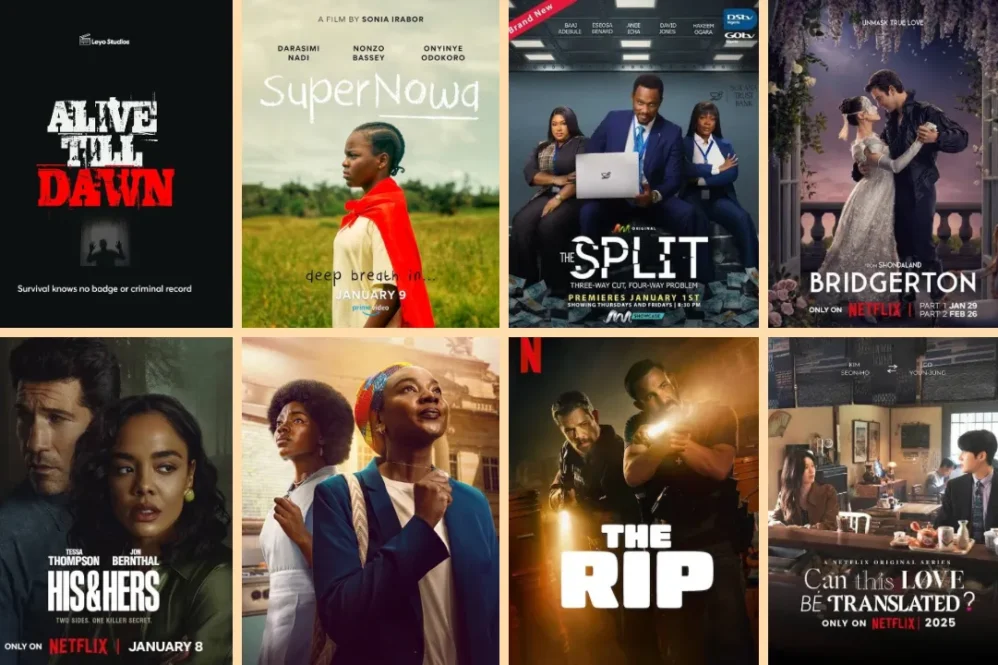
The viewership numbers for 2026’s Nollywood releases tell a compelling story about shifting global entertainment consumption patterns. Almost Rich accumulated over 15 million views within its first month on streaming platforms, with significant audience concentrations not just in Nigeria and the African diaspora communities but in unexpected markets including Brazil, the Philippines, and parts of Europe.
Several factors explain this expanding reach. First, the universal themes these films explore—ambition, identity, family loyalty, economic anxiety—resonate across cultural boundaries despite their specifically Nigerian contexts. International audiences increasingly seek authentic cultural specificity rather than homogenized global content, and Nollywood delivers stories rooted in particular places and perspectives while addressing fundamentally human concerns.
The African diaspora represents a crucial and growing audience segment. An estimated 150+ million people of African descent living outside the continent actively seek content that reflects their cultural heritage. For second and third-generation diaspora viewers, particularly in the United States, the United Kingdom, and Canada, these films provide a connection to ancestral homelands and contemporary African realities that mainstream Western media rarely portrays with nuance or depth.
Social media has proven instrumental in driving viewership. Nigerian films generate enormous engagement on platforms like Twitter, TikTok, and Instagram, where specific scenes become memes, dialogue gets quoted, and fashion choices spark trends. This organic digital buzz creates awareness that transcends traditional marketing budgets. The viral moment from Almost Rich, where Chidera confronts her investor, has been recreated in thousands of user-generated videos, each serving as free marketing that drives curious viewers to the source material.
The improvement in production quality removes a significant barrier that previously prevented international audiences from engaging with Nollywood content. Earlier productions, regardless of story quality, often struggled to find audiences beyond dedicated Nollywood fans due to technical limitations that made them feel amateurish compared to the Hollywood, Bollywood, or Korean content viewers had access to. As that gap narrows, story and performance become the primary differentiators, and Nollywood’s strengths in both areas shine through.
Streaming algorithms have also played an underappreciated role. As platforms gather data on viewing habits, they’ve identified a significant appetite for diverse international content. Recommendation engines now surface Nollywood films to viewers who might never have actively searched for them but whose viewing histories suggest they’d appreciate the storytelling approaches and thematic concerns these films offer. This algorithmic discovery mechanism has introduced millions of viewers to Nollywood who might otherwise never have encountered it.
The economic implications are substantial. Higher viewership translates to increased investment, creating a virtuous cycle where better-funded productions attract larger audiences, which justify even greater investment. Industry analysts project that Nollywood’s economic output could exceed $1 billion annually by 2028 if current growth trajectories continue, with employment extending beyond traditional film roles into technology, tourism, and cultural export sectors.
Critical recognition has followed commercial success. Nigerian films are appearing with increasing frequency at major international film festivals, earning awards and critical praise that further legitimise the industry. Almost Rich received a standing ovation at its Toronto International Film Festival premiere, with critics praising its sophisticated character work and visual accomplishment. This festival circuit presence creates prestige that attracts additional talent and resources to the industry.
The Road Ahead for Nollywood
The films of 2026 represent not a peak but a plateau from which even greater heights become visible. The infrastructure, talent, and audience appetite now exist to support sustainable growth and increasing artistic ambition. For viewers seeking quality Nollywood releases, the question is no longer whether Nigerian cinema can compete with established industries but rather which of the wealth of excellent options to watch first.
The diversity within current Nollywood production is particularly encouraging. Beyond prestige dramas like Almost Rich, 2026 has delivered compelling genre exercises, including sophisticated thrillers, romantic comedies that avoid formulaic predictability, and historical epics that rival international period productions in scope and detail. This range ensures that Nollywood serves multiple audience segments rather than relying on a single approach.
For African cinema fans and diaspora viewers, this moment represents something profound: the maturation of a film industry that tells their stories with technical excellence and narrative sophistication, creating entertainment that doesn’t require apology or qualification. These are simply excellent films that happen to emerge from Nigerian creative vision, destined to shape global cinema’s future as much as its present.
Frequently Asked Questions
Q: What makes Almost Rich different from other Nollywood films?
A: Almost Rich distinguishes itself through sophisticated character development, international-standard production quality,y including Dolby Atmos sound design, and nuanced exploration of Lagos’s aspirational middle class without resorting to moralizing. The film features breakthrough performances from both established and emerging Nigerian talent, with cinematography and production design that rival international releases.
Q: How has Nollywood production quality improved in recent years?
A: Nollywood has dramatically improved through investment in high-end cameras (ARRI, RED, Sony Venice), professional sound design with Dolby Atmos mixing, sophisticated post-production facilities in Nigerian cities, dedicated colorists creating distinct visual palettes, and comprehensive production design. Streaming platform investments and new financing models have enabled proper budgets for pre-production, shooting, and post-production work.
Q: Why are Nollywood films gaining millions of international views?
A: Nollywood’s growing international viewership stems from universal themes presented through authentic Nigerian perspectives, improved technical quality that meets international standards, strong engagement from the 150+ million African diaspora worldwide, viral social media moments that drive awareness, streaming platform algorithms recommending content to appropriate audiences, and festival recognition that builds prestige and credibility.
Q: Where can I watch the best Nollywood films in 2026?
A: Major Nollywood releases in 2026 are available on streaming platforms, including Netflix, Amazon Prime Video, and ShowMax, which have invested significantly in Nigerian content. These platforms offer international accessibility, allowing viewers worldwide to access quality Nollywood productions with proper subtitling and high-quality streaming infrastructure.
Q: What themes do 2026 Nollywood films explore?
A: Contemporary Nollywood films explore ambition and economic anxiety in modern Nigeria, identity and cultural heritage, family loyalty and generational conflict, urban life in cities like Lagos, class dynamics and social mobility, and the tension between traditional values and contemporary realities. These universal themes are presented through specifically Nigerian cultural contexts, creating stories that resonate both locally and internationally.