

2026’s Biggest Theatrical Releases
Legendary action stars are back in 2026, and they’re bringing the kind of star power that streaming services simply can’t replicate. For action fans craving big-budget spectacles headlined by A-list actors with genuine screen presence, the upcoming year promises a theatrical experience that recalls cinema’s golden era of action filmmaking—when names above the title mattered as much as the explosions below.
Sylvester Stallone’s Tulsa King Transitions from Prestige TV to Theatrical Powerhouse
Sylvester Stallone’s transition of Tulsa King from premium television to a full-scale theatrical release represents more than just a franchise expansion—it’s a calculated bet that audiences still crave the irreplaceable presence of proven action icons on the big screen. The Paramount+ series, which became one of the streamer’s most-watched original programs, demonstrated that Stallone’s particular brand of weathered charisma and physical authenticity hasn’t diminished with age.
The theatrical film builds upon the series’ foundation while embracing the scope that only cinema can provide. Stallone’s Dwight “The General” Manfredi, a New York mafia capo rebuilding his empire in Oklahoma, transitions from the episodic storytelling of television to a concentrated, explosive narrative designed for IMAX screens and Dolby Atmos soundscapes. Early production reports suggest set pieces involving coordinated attacks on multiple fronts, high-speed pursuits through Tulsa’s evolving skyline, and intimate combat sequences that showcase Stallone’s continued commitment to practical stunt work.
What makes this transition significant isn’t merely the expansion of budget or runtime—it’s the recognition that certain performers possess an indefinable quality that demands theatrical presentation. Stallone, now approaching 80, brings five decades of action cinema DNA to every frame. His physicality tells stories that dialogue cannot: the deliberate economisation of movement that comes from experience, the battle-scarred weariness in his posture, the explosive capability that remains despite (or perhaps because of) visible age.
The Tulsa King theatrical release reportedly features supporting turns from other veteran performers who understand the rhythms of action filmmaking. This isn’t the CGI-assisted spectacle of younger franchise entries, but rather a return to geography-based action where audiences can track spatial relationships, understand stakes, and feel genuine concern for characters performing dangerous feats.
Why Veteran Stars Still Dominate Action Cinema
The persistence of older action stars in an industry obsessed with youth and franchise IP reveals fundamental truths about what audiences actually want from the genre. While studios continue greenlight committee-designed projects featuring interchangeable leads, films headlined by Stallone, Liam Neeson, Denzel Washington, and their contemporaries consistently overperform expectations.
The answer lies in authenticity—a paradoxical concept in a genre built on impossible scenarios and superhuman capabilities. Veteran action stars bring credibility through accumulated screen history. When Stallone engages in combat, audiences subconsciously reference Rocky*, *Rambo, and dozens of other confrontations. This creates narrative depth without requiring exposition. We understand these characters are dangerous because we’ve watched them be dangerous for decades.
Moreover, older action stars operate within physical limitations that younger performers don’t yet acknowledge. This constraint breeds creativity. Rather than relying on wirework and digital augmentation, veteran-led action films prioritize strategic thinking, environmental awareness, and tactical superiority. The heroes think their way through confrontations, using experience to compensate for reduced speed or stamina. This intellectual dimension makes action sequences more engaging than purely kinetic showcases.
The box office bears this out consistently. Liam Neeson’s Taken* franchise generated over $900 million despite launching when the actor was 56. Denzel Washington’s *Equalizer* trilogy has grossed more than $600 million worldwide, with Washington performingin the first film at 59. Keanu Reeves revolutionized modern action filmmaking with *John Wick at age 50, creating a billion-dollar franchise built on his commitment to practical gun-fu choreography.
These aren’t nostalgic exercises or retirement tours—they’re masterclasses in screen presence. Veteran action stars understand camera geometry, how to sell impact, and when to remain still to build tension. They’ve internalized the grammar of action cinema in ways that no amount of stunt training or CGI enhancement can replicate for newer performers.
The success also reflects audience demographics that Hollywood often ignores. While studios chase the 18-34 male demographic, they overlook that action films appeal broadly across age ranges. Older audiences want to see themselves represented on screen, not as comic relief or mentors who die to motivate younger heroes, but as capable protagonists solving problems through accumulated skill.
Furthermore, veteran action stars bring gravitas to material that might otherwise feel generic. The same script that would seem routine with a younger, less-established performer gains emotional weight when delivered by an actor whose face carries visible history. Every scar, every line, every moment of exhaustion becomes character development without requiring dialogue.
What Makes These Action Films Stand Out
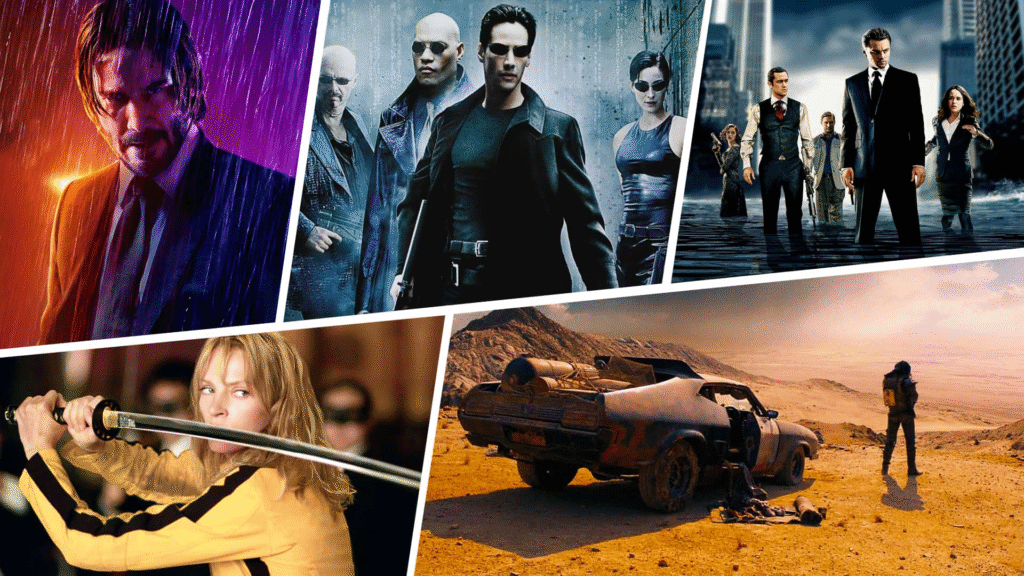
The 2026 slate of veteran-led action films distinguishes itself from contemporary offerings through several key factors that harken back to the genre’s most successful era while incorporating modern filmmaking sophistication.
First, these films prioritize practical action over digital spectacle. While CGI has its place—removing safety wires, enhancing environments, creating impossible scenarios—the core action relies on real performers in real spaces. This grounds the spectacle in tangible reality. When Stallone’s character crashes through a window or engages in hand-to-hand combat, audiences see actual physical consequences. The performer’s breathing becomes labored, movements show impact, and recovery takes visible effort. This authenticity creates genuine tension absent from CGI-heavy sequences where anything can happen, nothing matters.
Second, these films embrace R-rated sensibilities without apology. Unlike franchise entries designed for maximum global appeal and merchandising potential, veteran-led action films can explore violence, language, and moral complexity appropriate for adult audiences. This doesn’t mean gratuitous content, but rather an honest depiction of consequences. Injuries matter. Deaths carry weight. Victory comes with cost.
The Tulsa King’s theatrical release reportedly maintains the series’s sophisticated exploration of criminality, morality, and aging masculinity while amplifying the visceral action elements. This combination—thematic depth paired with spectacular action—represents a sweet spot that modern franchise filmmaking often abandons in favor of quips and CGI destruction.
Third, these films understand pacing and rhythm in ways that many contemporary action movies have forgotten. Rather than relentless sequences of escalating spectacle, veteran-led films build tension through quieter moments, allowing audiences to recover between set pieces while developing character and plot. This classical structure makes the action more impactful through contrast and anticipation.
Stallone, in particular, has always understood this principle. From Rocky’s* training montages to *Rambo’s* moments of isolation, his best films balance explosive action with contemplative character work. The *Tulsa King film reportedly features extended sequences of Dwight strategizing, manipulating opponents, and navigating the complex politics of organized crime before erupting into carefully orchestrated violence.
Fourth, these productions benefit from experienced crews who’ve honed their craft over decades. The stunt coordinators, cinematographers, and editors working on veteran action films often have comparable experience to the stars themselves. This creates sophisticated collaboration where everyone speaks the same cinematic language. Sequences are designed around performer capabilities rather than generic action templates, resulting in distinctive set pieces that reflect character and story.
The commitment to theatrical exhibition also matters enormously. While streaming offers convenience, action cinema requires the immersive environment of theatrical presentation to achieve full impact. The scale of imagery, the enveloping sound design, the communal experience of audience reaction—these elements transform competent action into memorable cinema. By committing to theatrical release, these films signal confidence in their product and respect for the genre.
Finally, these films offer narrative closure and satisfaction increasingly rare in franchise-obsessed Hollywood. Rather than ending on cliffhangers or sequel teases, veteran-led action films tend toward complete stories with definitive conclusions. This doesn’t preclude sequels if warranted, but each film stands alone as a satisfying experience. For audiences exhausted by infinite interconnected franchises requiring homework and future commitment, this self-contained approach feels refreshing.
The Broader Implications for Action Cinema
The success of veteran action stars in 2026 may signal a broader shift in how Hollywood approaches the genre. For years, studios have prioritized IP over individuals, believing that brands matter more than stars. Yet the consistent performance of actor-driven action films suggests audiences still respond to screen presence and authentic performance.
This doesn’t mean abandoning franchises or younger performers—it means recognizing that different approaches serve different needs. The industry is large enough to accommodate both CGI spectacle and practical action, franchise worldbuilding and standalone stories, emerging talent and established stars.
What veteran action stars offer that cannot be replicated through technology or marketing is the accumulated weight of their careers. Each performance builds on everything that came before, creating rich text that rewards longtime fans while remaining accessible to newcomers. When Stallone delivers a line or executes an action sequence, it resonates with forty-plus years of screen history.
The theatrical future of action cinema may well depend on this balance—pairing cutting-edge technology with timeless fundamentals of performance, stunt work, and storytelling. The 2026 releases led by legendary action stars don’t represent nostalgia or resistance to change, but rather a reminder that some elements of cinema remain constant regardless of technological advancement.
Audiences will always respond to authentic human performance, to real bodies moving through real space, to faces that tell stories through accumulated experience. The legendary action stars returning in 2026 offer precisely these qualities, delivered with the polish and sophistication that comes only from decades of practice.
For action movie enthusiasts, 2026 promises a cinematic experience that honors the genre’s traditions while embracing contemporary production values—the best of both worlds, delivered by performers who’ve earned their legendary status through commitment, capability, and undeniable screen presence.
Frequently Asked Questions
Q: Is the Tulsa King movie a continuation of the TV series?
A: Yes, the Tulsa King theatrical release builds directly on the Paramount+ series, following Sylvester Stallone’s Dwight Manfredi character. While designed to work as a standalone film for new audiences, it continues storylines established in the show with increased scope and budget appropriate for theatrical presentation.
Q: Why do older action stars still get leading roles in major films?
A: Veteran action stars consistently deliver box office results because they bring authentic screen presence, decades of accumulated performance credibility, and understanding of action filmmaking that younger performers haven’t yet developed. Their physical limitations also force more creative, strategic action sequences that engage audiences intellectually as well as viscerally.
Q: What makes 2026’s action films different from streaming releases?
A: The 2026 theatrical action releases prioritize practical stunt work, immersive sound design, and visual scope specifically designed for big-screen presentation. They also tend toward complete, standalone narratives rather than serialized storytelling, offering satisfying conclusions within a single film experience.
Q: Will Sylvester Stallone perform his own stunts in Tulsa King?
A: While specific details haven’t been fully disclosed, Stallone has historically performed many of his own stunts and has maintained this commitment even in recent projects. Production reports suggest significant practical action sequences designed around his capabilities, with strategic use of stunt performers for the most dangerous elements.
Q: Are these veteran action films appropriate for all audiences?
A: Most veteran-led action films, including the Tulsa King theatrical release, embrace R-rated content appropriate for adult audiences. This allows an honest depiction of violence and consequences while exploring mature themes of morality, aging, and redemption that wouldn’t work within PG-13 constraints.