
Why Meme Coins Keep Attracting New Money
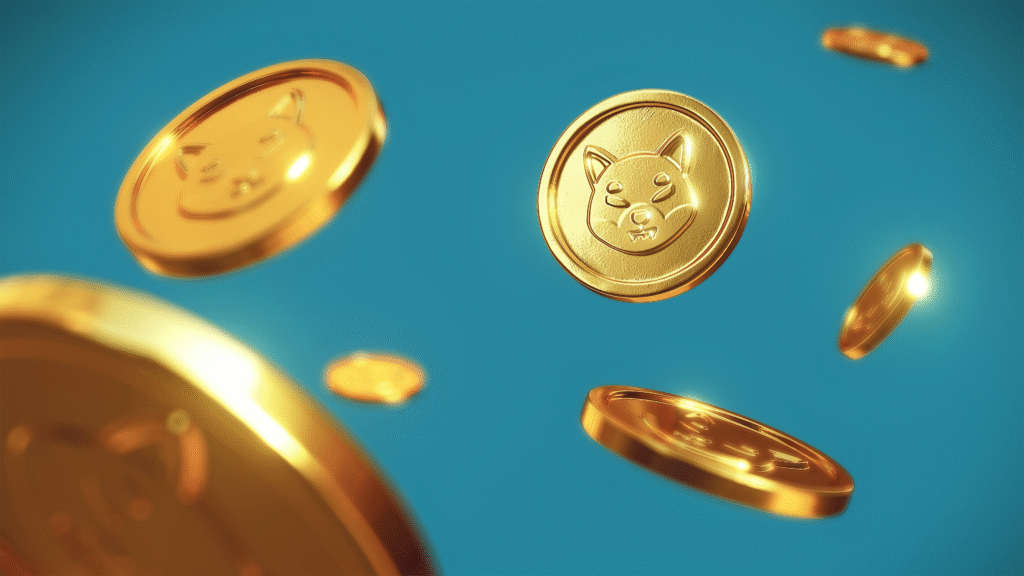
Every day, thousands of people invest in meme coins despite knowing the astronomical failure rates. They’ve heard the warnings, seen the rug pulls, and understand the risks. Yet the money keeps flowing. This isn’t ignorance—it’s human psychology at work in its most powerful form.
Start Trading With Xbanka Today
The Lottery Mentality: Chasing Life-Changing Returns
Meme coins operate on the same psychological principle as lottery tickets, but with a crucial difference: they feel more accessible and controllable.
The average investor doesn’t need a million-dollar portfolio to see million-dollar returns from meme coins. A $100 investment in the right token at the right time could theoretically turn into $100,000 or more. This mathematical possibility, however remote, creates a powerful emotional hook. Unlike traditional investments, where a 10% annual return is considered excellent, meme coins promise 1,000% gains or higher.
This “lottery mentality” is reinforced by real success stories. When someone turns $500 into $50,000 on a Shiba Inu or Pepe coin, that story spreads like wildfire across social media. These narratives become more memorable than the thousands of failed projects because our brains are wired to give more weight to dramatic success stories than statistical probabilities.
The accessibility factor matters too. You can’t buy a fraction of a lottery ticket, but you can buy $10 worth of a meme coin. This lowers the psychological barrier to entry. Investors tell themselves they’re only risking what they can afford to lose—money they might have spent on entertainment anyway. This mental accounting makes the gamble feel less serious than it actually is.
Behavioral economists call this “prospect theory” in action. People become risk-seeking when they perceive an opportunity for extraordinary gains, especially when the initial investment feels small. The pain of losing $100 feels minimal compared to the euphoria of imagining a 10,000% return.
Social Proof and the Influencer Effect
Meme coins don’t succeed in a vacuum—they thrive in the most socially connected financial ecosystem ever created.
Social proof drives investment decisions more powerfully than fundamentals ever could in the meme coin space. When an investor sees 50,000 people in a Telegram group, 100,000 followers on Twitter, and countless YouTube videos about a token, their brain interprets this as validation. If this many people are interested, surely there must be something to it.
Influencer marketing has become the primary growth engine for meme coins. A single tweet from a personality with millions of followers can send a token’s value soaring within minutes. Investors who follow these influencers develop a form of parasocial trust—they feel like they know these figures personally, even though the relationship is entirely one-sided.
This creates a dangerous feedback loop. Influencers promote coins (often because they hold large positions themselves), their followers buy in, the price rises, more people notice the gains, and FOMO brings in another wave of investors. Each participant sees others making money and wants their share.
The community aspect amplifies this effect. Meme coin communities create a sense of belonging and shared identity. Holders don’t just own a token—they become part of a movement, complete with inside jokes, memes, and a collective narrative. This transforms a simple investment into a social experience, making it harder to sell even when logic suggests you should.
Influencers also provide a convenient scapegoat for our own decisions. If an investment goes wrong, investors can blame the influencer who promoted it rather than taking personal responsibility. This psychological cushion makes it easier to take risks in the first place.
FOMO: The Fear of Missing the Next Dogecoin
The Dogecoin phenomenon created a template that haunts every investor who wasn’t there to experience it.
Dogecoin started as a literal joke in 2013. For years, it was worth fractions of a penny. Then, in 2021, it exploded to an all-time high of $0.73, creating millionaires out of people who had invested pocket change years earlier. This single event rewired how millions of people think about meme coins.
The “what if” question now torments investors: “What if I had bought Dogecoin at $0.0002?” This regret becomes a powerful motivator to act on the next opportunity. Every new meme coin gets evaluated against the Dogecoin standard, with investors asking whether this could be the next one to repeat that legendary run.
FOMO—fear of missing out—is arguably the strongest emotion in cryptocurrency markets. It’s not about the fear of losing money you have; it’s about the fear of missing money you could have made. Psychologically, this feels worse. Studies show that people experience more regret over missed opportunities than losses from action.
This explains why investors continue buying even at elevated prices. They see a coin that’s already up 500% and think, “If it can do 500%, it can do 5,000%.” The fear that the rocket ship will leave without them overpowers rational analysis about valuation or sustainability.
Social media intensifies this FOMO exponentially. When your timeline fills with posts about people making money on a coin you don’t own, the psychological pressure becomes almost unbearable. You start to feel like everyone is getting rich except you. This emotional state rarely leads to good investment decisions.
The meme coin market also moves faster than traditional markets, which adds urgency to the FOMO. A coin can rise 1,000% in a day, meaning hesitation literally costs you money. This speed creates a “act now or regret forever” mentality that short-circuits normal due diligence processes.
Conclusion: Understanding the Psychology to Make Better Decisions
Meme coins will continue attracting new money because they tap into fundamental aspects of human psychology: our desire for life-changing wealth, our tendency to follow crowds, and our fear of missing opportunities.
Understanding these psychological drivers doesn’t make you immune to them, but it does give you perspective. When you feel the urge to invest in the latest meme coin, pause and ask yourself: Am I responding to a genuine opportunity, or am I being driven by lottery thinking, social pressure, or FOMO?
The investors who succeed in this space—and they do exist—are those who recognize these psychological traps and create rules to protect themselves. They invest only what they can truly afford to lose, they set clear profit-taking targets before emotions take over, and they resist the urge to chase every new trend.
Meme coins aren’t going anywhere. The psychology that drives their popularity is too powerful and too deeply rooted in human nature. The question isn’t whether people will keep investing—they will. The question is whether you’ll do so with eyes wide open, understanding the psychological game you’re playing, or whether you’ll be another player moved by invisible emotional forces you never recognized.
Your portfolio depends on knowing the difference.
Frequently Asked Questions
Q: Why do people invest in meme coins if they know most fail?
A: People invest in meme coins due to the “lottery mentality”—the possibility of life-changing returns from a small investment outweighs the statistical likelihood of failure in their minds. The success stories of early Dogecoin or Shiba Inu investors create powerful emotional hooks that override rational risk assessment. Additionally, small initial investments feel like acceptable entertainment expenses rather than serious financial risks.
Q: How do influencers affect meme coin investments?
A: Influencers create social proof and parasocial trust that drives investment decisions. When a trusted personality promotes a coin, followers interpret this as validation and are more likely to invest. This creates feedback loops where influencer promotion leads to price increases, which attracts more attention and investors. The community aspect also transforms investment into a social experience, making it psychologically harder to sell.
Q: What is FOMO and why is it so powerful in crypto?
A: FOMO (fear of missing out) is the anxiety that others are experiencing rewarding opportunities that you’re missing. In crypto, it’s particularly powerful because people experience more regret over missed gains than actual losses. The Dogecoin story amplifies this—investors constantly worry about missing “the next Dogecoin.” Social media intensifies FOMO by constantly showing others’ gains, creating psychological pressure to act immediately.
Q: Can you make money with meme coins or is it all a scam?
A: Some investors do make money with meme coins, particularly early adopters who exit before the inevitable crash. However, the majority lose money because these assets have no fundamental value and rely entirely on finding new buyers at higher prices. It’s not necessarily a scam, but it is extremely high-risk speculation driven more by psychology than fundamentals. Success requires exceptional timing, discipline, and often luck.
Q: How can I protect myself from psychological manipulation in meme coin investing?
A: Create and follow strict rules before emotions take over: only invest money you can afford to lose completely, set profit-taking targets in advance, limit your exposure to social media hype, and recognize when FOMO or lottery thinking is driving your decisions. Understanding these psychological forces doesn’t make you immune, but awareness allows you to make more conscious choices rather than emotional reactions.