
Handmade New Year Greeting Cards Tutorial: 5 Stunning Designs to Ring in 2026
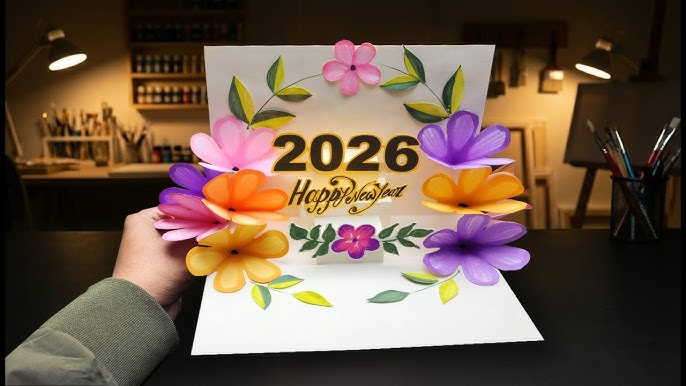
Introduction: Why Handmade Cards Make a Bigger Impact
Store-bought cards are boring. They line the shelves in identical rows, featuring the same generic messages and forgettable designs that a hundred other people will give to their loved ones. If you’re tired of impersonal mass-produced greeting cards and want to make a genuine impression this New Year, handmade cards are your answer.
Creating your own New Year greeting cards isn’t just about saving money—it’s about crafting something meaningful that recipients will actually keep. A handmade card shows you invested time, creativity, and thought into celebrating someone special. Plus, you can customize every element to match the recipient’s personality, making each card a unique work of art.
Whether you’re a seasoned crafter or picking up scissors and glue for the first time, this comprehensive tutorial will guide you through creating five distinct card styles, choosing the perfect color combinations, and adding impressive 3D elements that transform simple paper into memorable keepsakes.
Section 1: 5 Different Greeting Card Styles for Different Personalities
The Minimalist Elegance Card
Perfect for: Friends with modern aesthetics, professional contacts, or anyone who appreciates clean design.
Materials needed:
– White or cream cardstock (5×7 inches folded)
– Black fine-tip pen or marker
– Gold or silver metallic pen
– Ruler
– Pencil
Instructions:
1. Start with a high-quality white or cream cardstock base. The simplicity of this design depends on premium materials.
2. Using a ruler and pencil, lightly sketch a thin border approximately 1/4 inch from the card’s edge.
3. Write “2026” in large, elegant numbers in the center using your metallic pen. Practice on scrap paper first to perfect your spacing.
4. Below the numbers, add a simple message in small, neat handwriting: “Wishing you joy” or “New beginnings.”
5. With your black fine-tip pen, add three small geometric shapes (triangles, circles, or stars) clustered in one corner as a subtle accent.
6. Erase any pencil marks and allow metallic ink to dry completely before handling.
This design proves that less truly is more. The white space creates breathing room, while the metallic accent provides just enough celebration without overwhelming the sophisticated aesthetic.
The Bold and Festive Celebration Card
Perfect for: Party lovers, children, extroverted friends, or anyone who embraces maximum celebration.
Materials needed:
– Bright colored cardstock (yellow, hot pink, or electric blue)
– Confetti (store-bought or hole-punched paper circles)
– Glitter glue or glitter paper
– Colorful washi tape
– Alphabet stickers or stamps
– Clear adhesive
Instructions:
1. Choose the brightest cardstock you can find as your base—this isn’t the time for subtlety.
2. Create a “confetti explosion” effect by applying small dots of clear adhesive randomly across the card front and sprinkling with confetti. Press down and shake off excess.
3. Cut strips of coordinating washi tape and apply them diagonally across corners or create a striped border.
4. Use alphabet stickers or stamps to spell out “HAPPY NEW YEAR” or “CELEBRATE” in mixed fonts and colors for a playful, energetic look.
5. Add strategic dots of glitter glue to highlight certain areas—around letters or mixed with confetti.
6. For extra pop, cut out a champagne bottle or fireworks shape from glitter paper and adhere it to the design.
This card screams celebration and perfectly captures the excitement of New Year’s Eve. It’s tactile, visually dynamic, and impossible to ignore.
The Vintage-Inspired Classic Card
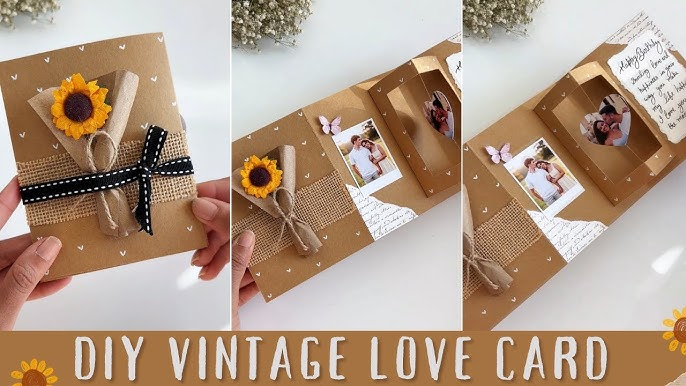
Perfect for: Older relatives, history enthusiasts, or anyone who loves nostalgic charm.
Materials needed:
– Kraft or aged-looking cardstock
– Vintage-style images (downloaded and printed or cut from old magazines)
– Lace trim or doily
– Sepia or brown ink pad
– Twine or ribbon
– Decorative stamps
Instructions:
1. Start with kraft cardstock or artificially age white cardstock by lightly applying brown ink with a sponge around the edges.
2. Cut a vintage image—old clocks, Art Deco designs, or Victorian illustrations work beautifully. Size it to be your focal point.
3. Mount the image on slightly larger contrasting cardstock to create a frame effect, then adhere to your card front.
4. Cut a small piece of lace or doily and tuck it behind one corner of your image for delicate texture.
5. Use decorative stamps with phrases like “Auld Lang Syne” or “Cheers to the New Year” in corners.
6. Wrap twine around the card’s spine and tie in a small bow, or create a banner effect across the bottom with ribbon.
7. Distress edges slightly by tearing or carefully burning (with supervision) for authentic vintage appearance.
This design transports recipients to an elegant bygone era while celebrating timeless traditions of reflection and renewal.
The Whimsical Illustrated Card
Perfect for: Creative friends, artists, children, or anyone who appreciates hand-drawn charm.
Materials needed:
– Watercolor paper or heavy cardstock
– Watercolors, colored pencils, or markers
– Fine-tip black pen
– Pencil and eraser
– Optional: white gel pen for highlights
Instructions:
1. Lightly sketch your design in pencil. Popular New Year themes include: fireworks bursting over a city skyline, champagne glasses clinking, a whimsical clock striking midnight, or playful numbers dancing.
2. Add color using your chosen medium. Watercolors create soft, dreamy effects; markers provide bold, saturated color; colored pencils offer precise control.
3. Once color is completely dry, outline your illustrations with fine-tip black pen to make elements pop and add definition.
4. Add small details like stars, sparkles, or confetti scattered in the background.
5. Letter your greeting by hand—”Happy New Year,” “Fresh Start,” or “Make Magic Happen”—in a playful font that matches your illustration style.
6. Use white gel pen to add highlights to certain elements, creating dimension and shine.
Don’t worry about perfect artistic skill—the hand-drawn quality is what makes these cards special. Imperfections add character and show your personal effort.
The Sophisticated Metallic Card
Perfect for: Professional contacts, sophisticated friends, milestone celebrations, or formal New Year events.
Materials needed:
– Black or navy cardstock
– Metallic cardstock (gold, silver, or rose gold)
– Embossing powder and heat tool (optional)
– Metallic embroidery thread
– Precision knife or die-cut machine
– Adhesive foam squares
Instructions:
1. Use dark cardstock as your base to make metallic elements truly shine.
2. Cut geometric shapes (hexagons, circles, or abstract forms) from metallic cardstock in varying sizes.
3. Arrange these shapes in an artistic composition—overlapping, cascading, or in a structured pattern.
4. Attach larger shapes directly to the card, but use foam squares under smaller pieces to create dimensional layering.
5. If using embossing: stamp your greeting with embossing ink, sprinkle with metallic embossing powder, and heat to create raised, shiny text.
6. Thread metallic embroidery thread through small punched holes to create geometric line designs connecting your shapes.
7. Keep text minimal and elegant—a simple “2026” or “Cheers” in metallic letters.
This design exemplifies modern luxury and creates a card worthy of being framed as art.
Section 2: Color Combinations That Work for New Year Themes
Color psychology plays a crucial role in how your card is received. The right palette sets the mood and reinforces your message.
Classic Gold and Black Sophistication
Why it works: This timeless combination evokes elegance, luxury, and celebration. Gold represents prosperity and success—perfect wishes for a new year—while black provides dramatic contrast and sophistication.
How to use it:
– Use black as your base with gold accents for maximum impact
– Create gold lettering, borders, or geometric shapes on black backgrounds
– Add texture with gold embossing powder or metallic leaf
– Balance is key: too much gold becomes garish, while strategic placement creates elegance
Best for: Professional cards, formal celebrations, milestone years (like 2025 being a quarter-century marker)
Silver and Navy Midnight Magic
Why it works: This combination captures the essence of midnight on New Year’s Eve—the deep navy represents the night sky while silver evokes stars, moonlight, and the shimmer of celebration.
How to use it:
– Navy cardstock provides a rich, sophisticated base
– Silver elements (foil, glitter, or metallic paper) create stunning contrast
– Add white accents to represent snow or additional starlight
– This palette works beautifully with constellation or celestial themes
Best for: Winter-themed cards, midnight countdown celebrations, anyone who loves astronomy or night imagery
Rose Gold and Blush Romance
Why it works: Softer and more contemporary than traditional gold, rose gold has become incredibly popular. Paired with blush pink, it creates a warm, optimistic, and gentle aesthetic perfect for hopeful new beginnings.
How to use it:
– Blush or cream cardstock as a base keeps the palette soft
– Rose gold foil, markers, or metallic paper for accents and text
– Add deeper burgundy or mauve for dimension without losing the romantic feel
– This combination photographs beautifully—perfect for Instagram-worthy cards
Best for: Close friends, romantic partners, feminine aesthetics, optimistic fresh-start messaging
Get the Best Rate for Your Gift Card On Xbanka
Multicolor Confetti Celebration
Why it works: New Year is a time for joy, and nothing says “celebration” like an explosion of color. This approach embraces fun, energy, and playfulness.
How to use it:
– Select 4-6 bright, saturated colors (avoid pastels for this theme)
– Ensure colors work together—consider using a color wheel for harmonious choices
– Popular combinations: hot pink + electric blue + yellow + green, or red + orange + purple + teal
– Use colors in equal distribution to avoid one overwhelming the others
– White backgrounds help bright colors pop even more
Best for: Children’s cards, party invitations, energetic personalities, fun-loving friends
Emerald and Champagne Luxury
Why it works: This sophisticated combination bridges the gap between Christmas and New Year. Deep emerald green represents growth and prosperity, while champagne gold adds celebration and luxury.
How to use it:
– Emerald green cardstock or dark green as primary color
– Champagne, antique gold, or light gold as accent color
– Add cream or ivory for a third neutral element
– This palette works beautifully with botanical elements—add illustrated or die-cut leaves
Best for: Elegant cards, recipients who love jewel tones, bridging holiday and New Year themes
Section 3: How to Add 3D Elements and Pop-Up Features
Dimensional elements transform flat cards into interactive experiences that recipients will remember long after the holiday ends.
Basic Pop-Up Mechanisms Explained
Simple Horizontal Pop-Up:
This beginner-friendly technique creates elements that stand up when the card opens.
1. Fold your card base in half and make two parallel cuts (about 1 inch apart) perpendicular to the fold, extending about 1 inch into the card.
2. Push this tab forward so it pops out when you open the card—it should stand at a 90-degree angle.
3. Attach your decorative element (a champagne glass, “2026” numbers, or fireworks) to this tab.
4. When the card closes, the element folds flat; when opened, it pops up.
V-Fold Pop-Up:
This creates a more dramatic, central pop-up element.
1. Cut a separate piece of cardstock in a V-shape (like a tent).
2. Apply glue to both outer edges of the V.
3. Position it in your card so when closed, it folds flat, but when opened to 90 degrees, the V stands up prominently.
4. Attach your decorative element to the front of the V.
Layered Scene Pop-Up:
For advanced crafters, create depth with multiple layers.
1. Cut progressively smaller elements (like a cityscape with buildings in various heights).
2. Create tabs at different depths using the horizontal method described above.
3. Position elements from back to front, creating a three-dimensional scene.
4. Common New Year scenes: fireworks at various distances, champagne bottle in foreground with glasses behind, or countdown clock with party elements surrounding it.
Creating Layered Dimension with Foam Tape
Foam mounting tape is your secret weapon for easy dimension without complex engineering.
Choosing the right foam:
– Thin foam (1-2mm): Subtle dimension for smaller elements
– Medium foam (3-5mm): Noticeable depth for focal points
– Thick foam (6mm+): Dramatic dimension for primary elements
Application technique:
1. Plan your layers before adhering anything. Which elements should appear closest?
2. Attach background elements directly to the card base with regular adhesive.
3. Add foam tape to the back of mid-ground elements and position them over background pieces.
4. Use thicker foam for foreground elements to create maximum depth.
5. Vary foam thickness across your design—not everything needs to be elevated.
Design ideas using foam tape:
– Numbers “2026” with each digit at a different height
– Champagne bubbles floating at various levels
– Confetti appearing to fall with some pieces closer than others
– Layered fireworks with bursts at different distances
Pro tip: Use white foam tape so it’s invisible if viewed from the side. Trim foam precisely so it doesn’t peek out from behind elements.
Adding Interactive Pull-Tab Elements
Interactive cards create memorable experiences and surprise recipients.
Basic pull-tab mechanism:
1. Create a double-layer card front by cutting a decorative top layer slightly smaller than your base, leaving a “window” where your interactive element will appear.
2. Behind this window, attach a long strip of cardstock that can slide horizontally.
3. On this strip, create a design that changes as it’s pulled—numbers counting down, a hidden message being revealed, or an image transforming.
4. Leave a tab extending from the card’s side that recipients can pull.
5. Add an arrow and “Pull” instruction so the interactive element is obvious.
Creative pull-tab ideas:
– Countdown sequence: Pull to reveal “3…2…1…HAPPY NEW YEAR!”
– Fortune reveal: Pull to discover a fortune or wish for the new year
– Image transformation: A sleeping scene becomes a party when pulled
– Calendar flip: Pull to change from December 31 to January 1
Construction tips:
– Ensure the pull strip moves smoothly before gluing outer layers permanently
– Don’t make the pull tab too long or it becomes floppy
– Use sturdy cardstock for mechanisms—thin paper tears easily
– Test multiple times to ensure durability
Incorporating Embossing and Texture
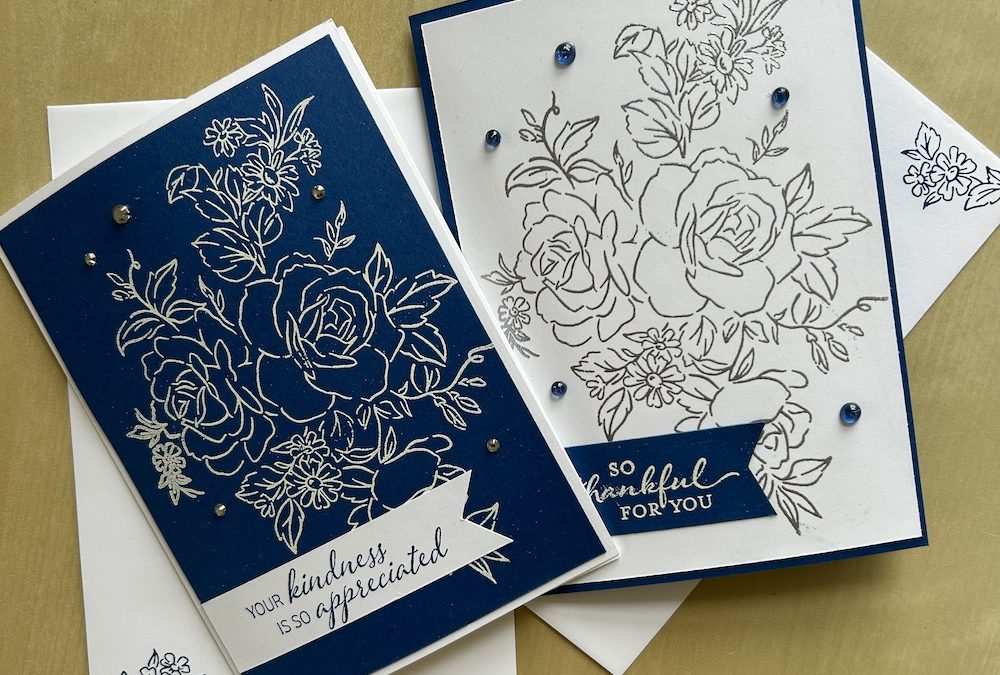
Texture adds tactile interest that flat printing can’t achieve.
Heat embossing:
1. Stamp your image or text with embossing ink (or any slow-drying ink).
2. While wet, sprinkle embossing powder generously over the stamped area.
3. Tap off excess powder back into its container.
4. Use a heat embossing tool (not a hair dryer) to melt the powder until it becomes shiny and raised.
5. Popular New Year embossing designs: champagne bottles, fireworks, “2026,” decorative borders
Dry embossing (creating indented patterns):
1. Place cardstock face-down on an embossing folder or stencil.
2. Run through an embossing machine or firmly rub with an embossing tool.
3. The result is a subtle, elegant raised or indented pattern.
4. Popular patterns: star bursts, geometric designs, or text.
Adding dimensional texture:
– Corrugated cardboard: Paint or gild for industrial-chic texture
– Fabric scraps: Velvet, silk, or metallic fabrics add luxury
– Handmade paper: Fibrous, irregular textures create organic interest
– Sand or glitter: Mixed with dimensional medium creates sparkly texture
Texture application tips:
– Less is more—texture should enhance, not overwhelm
– Combine textures thoughtfully: smooth with rough, matte with shiny
– Consider how the card will be mailed—extremely dimensional cards may require special packaging
Finishing Touches: Ribbons, Sequins, and Embellishments
These final details elevate your card from homemade to professionally crafted.
Ribbon techniques:
1. Wrapped spine: Wrap ribbon around the card’s spine and tie in a bow—simple but elegant
2. Woven through slits: Cut parallel slits in your card front and weave ribbon through for a fabric-like effect
3. Layered borders: Glue ribbon around your card’s edge as a decorative frame
4. Flag banners: Cut ribbon into pennant shapes and string across your card with “HAPPY NEW YEAR” lettering
Sequin placement:
– Use sequins sparingly as accent pieces, not covering entire areas
– Attach with glue dots (neater than liquid glue which seeps out)
– Mix sizes for visual interest—tiny seed sequins with larger statement pieces
– Cluster in corners or scatter like stars across dark backgrounds
– Layer over foam tape to create floating effects
Other embellishment ideas:
– Rhinestones: Add sparkle to letter dots, create starburst patterns, or accent corners
– Buttons: Vintage buttons add nostalgic charm to classic designs
– Die-cuts: Pre-cut shapes (stars, fireworks, glasses) save time and ensure precision
– Washi tape: Decorative tape in metallic or patterned designs for quick borders and accents
– Pressed flowers: Preserved flowers create delicate, organic beauty
– Metallic thread: Stitch simple patterns or create geometric line designs
Application best practices:
1. Use the right adhesive for each material—liquid glue for paper, glue dots for dimensional items, fabric glue for ribbons
2. Allow each layer to dry completely before adding the next
3. Work from background to foreground, largest to smallest elements
4. Step back frequently to assess balance and composition
5. Remember that cards must fit in envelopes or be protected during mailing
Conclusion: Making Your Cards Truly Memorable
The difference between a forgettable store-bought card and a cherished handmade creation isn’t just in the craftsmanship—it’s in the intention and personalization you bring to each design.
As you create your New Year greeting cards, remember these key principles:
Match the design to the recipient. Your minimalist friend will appreciate the elegant simplicity of the modern geometric card, while your party-loving sister will adore the confetti explosion design. The time you spend considering what each person would genuinely enjoy transforms a craft project into a meaningful gift.
Quality over quantity. It’s better to create ten thoughtfully crafted cards than fifty rushed ones. Recipients can tell when care was invested, and they’ll treasure a well-made card far longer than a hastily assembled one.
Embrace imperfection. Your handwriting doesn’t need to be calligraphy-perfect. Your watercolors don’t need to stay within the lines. These “flaws” prove a real human made this card specifically for the recipient—that’s the entire point.
Add personal touches. Include an inside joke in your illustration, reference a shared memory in your color choice, or incorporate an element meaningful to your relationship. These details create connections that generic cards never could.
Document your process. Take photos of your favorite cards before sending them. You’ll build a portfolio of techniques that worked, and you’ll have memories of your creative journey.
The New Year represents fresh starts, new opportunities, and renewed connections with the people who matter most. A handmade card embodies these same values—it’s a fresh creation, an opportunity to express creativity, and a tangible connection between you and your recipient.
When someone receives your handmade New Year greetings card, they won’t just see paper and glue. They’ll see the time you spent choosing the perfect colors, the care you took adding each embellishment, and the thought you invested in creating something unique just for them. They’ll feel valued, appreciated, and celebrated—which is exactly what New Year greetings should accomplish.
So gather your supplies, choose your first design, and start creating. Your recipients are waiting for cards that are anything but boring.
Frequently Asked Questions
Q: How long does it take to make a handmade New Year card?
A: The time varies by design complexity. Simple minimalist cards take 15-20 minutes, while elaborate pop-up cards with multiple embellishments can take 45-60 minutes. Plan for about 30 minutes per card on average, plus additional time if you’re creating multiple cards assembly-line style, which is actually faster.
Q: What basic supplies do I need to start making handmade greeting cards?
A: Essential supplies include: quality cardstock in various colors, adhesive (glue stick, liquid glue, and foam tape), scissors, a ruler, and basic writing tools. Beyond that, you can add specialized items like metallic pens, embossing supplies, decorative papers, ribbons, and embellishments based on your chosen design style.
Q: Can handmade cards with 3D elements be mailed safely?
A: Yes, but they require special consideration. Use rigid cardboard mailers instead of regular envelopes for dimensional cards. Add a ‘Do Not Bend’ notice on the envelope. Alternatively, hand-deliver cards with very delicate embellishments, or design with mailing in mind by keeping dimensional elements under 1/4 inch in height.
Q: Where can I find inspiration for New Year card designs?
A: Inspiration sources include: Pinterest boards dedicated to card-making, Instagram hashtags like #handmadecards or #newyearcards, card-making blogs, vintage greeting card collections, art museums for color combinations, and nature for organic patterns. Also look at professional card designs in stores, then reimagine them with your personal twist.
Q: How do I make my handwriting look better on handmade cards?
A: Practice your greeting on scrap paper first. Use pencil guidelines (erase later) to keep text straight. Write slowly and deliberately rather than rushing. Consider using stencils, alphabet stamps, or stickers if you’re not confident in your handwriting. Alternatively, print greetings on cardstock and cut them out to adhere to your card—it’s still handmade even if the lettering isn’t hand-drawn.
Q: What’s the best adhesive for different card-making materials?
A: Glue sticks work well for paper-to-paper applications with large surface areas. Liquid craft glue is best for ribbons, fabric, and heavier embellishments. Foam tape creates dimension for layered elements. Glue dots are perfect for sequins, buttons, and small dimensional items. Double-sided tape provides clean, wrinkle-free adhesion for precise work. Keep multiple types on hand for different applications.
Q: How far in advance should I start making cards for New Year?
A: Start 3-4 weeks before New Year if you’re making cards for many people. This allows time for designing, gathering materials, creating cards without rush, and mailing (which takes longer during holiday season). If you’re making just a few cards, one week is sufficient. Create samples earlier to perfect techniques before making final versions.
Q: Can I make handmade New Year cards with children?
A: Absolutely! Choose simpler designs like the confetti celebration or whimsical illustrated cards. Let children draw their own New Year illustrations, stamp designs, or arrange pre-cut elements. Supervise with scissors and glue. This is a wonderful way to teach creativity, planning, and the joy of giving personalized gifts. Their ‘imperfect’ handmade cards will be treasured by recipients.