
EU Stablecoin Regulation: Innovation vs Control
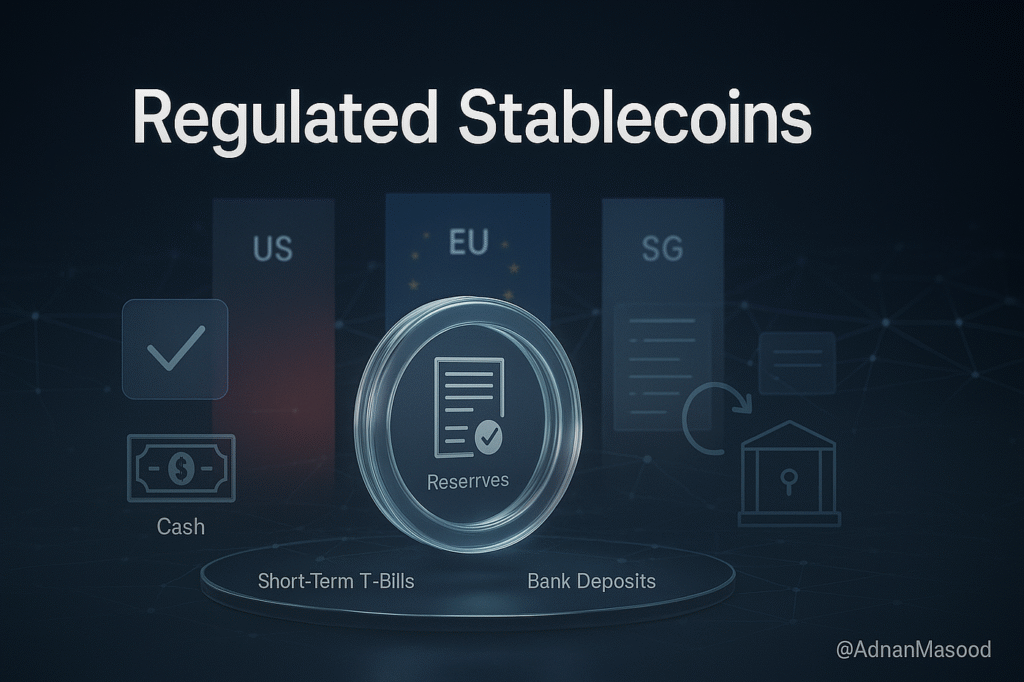
The ECB has a button that could change European stablecoins forever. Buried within the Markets in Crypto-Assets (MiCA) regulation lies Article 23—a provision granting the European Central Bank unprecedented intervention powers over stablecoins deemed systemically important. For crypto businesses and investors across Europe, this isn’t just regulatory fine print. It’s the difference between building sustainable operations and waking up to find your stablecoin infrastructure suddenly capped, restricted, or banned.
The tension between fostering innovation and maintaining monetary control has never been sharper. On one hand, the EU positions itself as a global leader in crypto regulation, offering clarity that jurisdictions like the United States still lack. On the other, that same regulatory framework contains mechanisms that could strangle the very innovation it claims to support. Understanding this duality—and the strategic window it creates—is essential for anyone operating in European crypto markets.
The Current Regulatory Framework and Its Boundaries
MiCA’s Foundation: Clarity with Constraints
Since June 2023, when MiCA entered into force (with full implementation by December 2024), Europe has operated under the world’s most comprehensive stablecoin regulatory framework. The regulation distinguishes between Asset-Referenced Tokens (ARTs) and E-Money Tokens (EMTs), each with distinct compliance requirements.
For stablecoin issuers, MiCA mandates:
Reserve Requirements: Issuers must maintain 1:1 backing with high-quality liquid assets. At least 30% of reserves must be held in custody with EU credit institutions, while the remainder can be invested in secure, low-risk assets. This eliminates the opacity that plagued projects like TerraUSD.
Capital Buffers: Issuers need own funds equal to at least 2% of the average reserve amount or €350,000—whichever is higher. For significant stablecoins (those with over 10 million users or €5 billion market cap), requirements escalate further.
Transparency Obligations: White papers must undergo regulatory approval, detailing reserve composition, redemption rights, and governance structures. Quarterly reserve audits become public record.
Consumer Protection: Holders gain enforceable redemption rights at par value within specified timeframes, typically within one business day.
Trade Your Cryptocurreney With Xbanka
What MiCA Doesn’t Control (Yet)
Despite its comprehensiveness, MiCA contains notable gaps that create current operational space:
– DeFi Protocols: Truly decentralized stablecoins without identifiable issuers operate in regulatory gray zones
– Cross-Border Trading: Non-EU stablecoins can still circulate through DEXs and peer-to-peer channels
– Volume Limits: Currently, no hard caps exist on transaction volumes or market capitalization for compliant stablecoins
– Algorithmic Stablecoins: While heavily restricted, certain governance-minimized models remain theoretically viable
Compared to other jurisdictions, MiCA strikes a middle path. Singapore’s approach emphasizes licensing flexibility, Hong Kong focuses on institutional access, while the US remains fragmented across state-level money transmission laws and SEC securities debates. Europe offers certainty—but certainty that comes with a control mechanism many are only beginning to understand.
The ECB’s Nuclear Option and What Triggers It
Understanding Article 23 Powers
Article 23 of MiCA grants the ECB and national competent authorities the power to temporarily restrict or prohibit stablecoin issuance and use if they pose risks to:
1. Monetary Policy Transmission: If widespread stablecoin adoption impairs the ECB’s ability to implement interest rate policy
2. Financial Stability: When stablecoins create systemic risks through interconnectedness with traditional finance
3. Monetary Sovereignty: If foreign-currency stablecoins (particularly USD-pegged) threaten the euro’s role in payments
These aren’t hypothetical concerns. Internal ECB documents reveal genuine anxiety about “currency substitution” scenarios where dollar stablecoins dominate European e-commerce, effectively dollarizing portions of the EU economy.
What Intervention Could Look Like
The ECB’s toolkit includes graduated measures:
Volume Caps: Limiting daily transaction volumes for specific stablecoins, particularly non-EUR denominated ones. If USDT or USDC process more than €1 billion daily in EU transactions, regulators could impose throttling mechanisms.
Geographic Restrictions: Preventing certain stablecoins from being marketed to EU residents, similar to how securities regulations restrict offshore products.
Reserve Repatriation: Requiring that all reserves backing EU-circulating stablecoins be held within EU jurisdictions, increasing operational costs and complexity.
Outright Suspension: In extreme scenarios, temporary bans on specific stablecoins pending restructuring or delisting.
Implications for Major Stablecoins
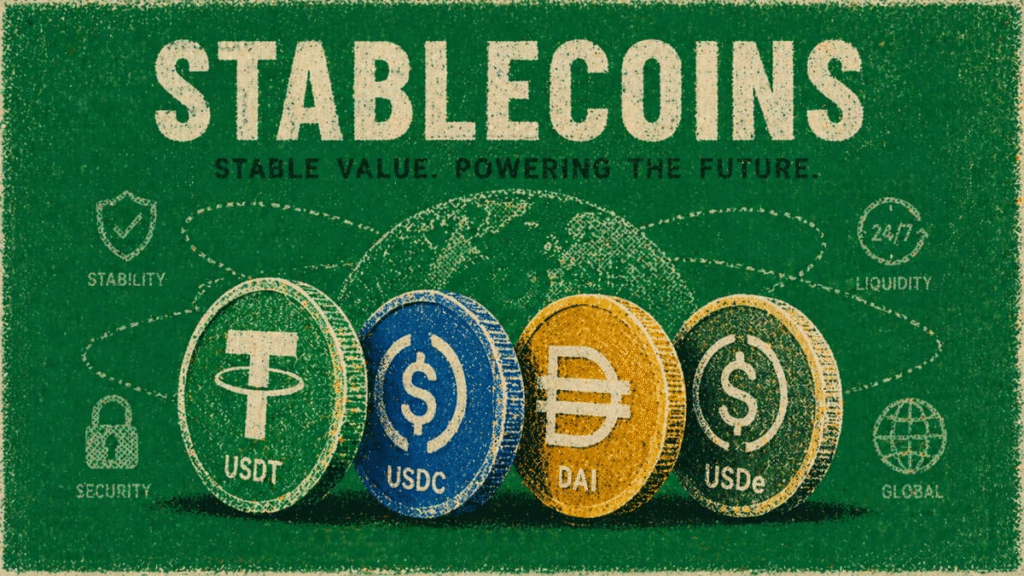
For dominant players like Tether (USDT) and Circle (USDC), the calculus is complex:
Tether’s Challenge: With historical transparency issues and offshore banking relationships, Tether faces the highest regulatory risk. The ECB could designate it “significant” and impose EUR reserve requirements that fundamentally alter its business model.
Circle’s Strategy: USDC has pursued aggressive MiCA compliance, launching EUR-denominated EURC and establishing EU entities. This positioning suggests anticipation of preferential treatment for euro-native stablecoins.
Binance’s FDUSD and Others: Newer entrants must navigate a landscape where first-mover advantage in compliance may matter more than market share.
For DeFi protocols, the implications are profound. Stablecoins form the liquidity backbone of decentralized finance—providing trading pairs, collateral, and yield farming mechanisms. Volume caps or restrictions would fragment European DeFi from global liquidity pools, potentially pushing activity to non-compliant platforms or offshore.
Crypto businesses face operational dilemmas: Do you build infrastructure around USD stablecoins with deeper liquidity but regulatory risk? Or embrace EUR stablecoins with compliance advantages but limited ecosystems?
The Innovation Window Before Controls Tighten
Strategic Opportunities in Regulatory Transition
The period between full MiCA implementation and potential ECB intervention creates a unique strategic window—probably 18-36 months—for positioning.
Euro-Denominated Stablecoin Ecosystem: The ECB’s concerns center on monetary sovereignty. Euro stablecoins inherently pose less threat, creating opportunities for:
– Payment processors building on EURC or future alternatives
– DeFi protocols offering EUR-native yield products
– Cross-border remittance services within the eurozone
Regulatory Arbitrage Through Compliance: Rather than avoiding regulation, sophisticated operators can use MiCA compliance as competitive moat. Obtaining authorization creates barriers to entry that protect market position when intervention arrives.
Hybrid Models: Combining centralized issuance (for regulatory compliance) with decentralized distribution (for censorship resistance) allows businesses to satisfy regulators while preserving crypto-native features.
Building Resilient Business Models
For European crypto businesses and investors, several strategic principles emerge:
1. Multi-Stablecoin Infrastructure: Don’t build dependencies on single stablecoins. Platforms that support USD, EUR, and other compliant stablecoins maintain operational flexibility when regulations shift.
2. Jurisdictional Diversification: While operating within MiCA, maintain technical capability to serve users through offshore entities if domestic restrictions tighten.
3. Reserve Transparency: Whether you’re issuing stablecoins or building on them, prioritize partners with bulletproof reserve practices. The next regulatory crackdown will target opacity.
4. Active Regulatory Engagement: The ECB’s intervention triggers aren’t automatic—they involve discretion. Businesses demonstrating good faith compliance and engaging in regulatory dialogue may influence how powers are exercised.
For individual investors and traders, navigating this landscape means understanding that stablecoin access isn’t guaranteed. Platforms like Xbankang that offer secure, instant crypto trading across multiple stablecoins provide critical flexibility when regulatory winds shift. The ability to quickly convert between assets—whether traditional crypto, EUR stablecoins, or USD stablecoins—becomes increasingly valuable in uncertain regulatory environments.
The Verdict: Regulation as Both Threat and Opportunity
Europe’s stablecoin regulatory framework represents the most sophisticated attempt yet to integrate crypto assets into traditional financial oversight. MiCA provides genuine benefits: consumer protection, market integrity, and operational clarity that attracts institutional capital.
But the ECB’s intervention powers reveal the underlying tension. European regulators want innovation—on their terms, within their control, serving their monetary policy objectives. The “button” exists precisely because regulators recognize that stablecoins, if successful, fundamentally challenge central bank prerogatives.
For crypto businesses, this creates a complex optimization problem. You need to be compliant enough to operate legally, innovative enough to compete globally, and flexible enough to adapt when regulations inevitably tighten. The businesses that will thrive aren’t those that ignore regulation or those that surrender to it completely—but those that strategically navigate the space between.
The clock is ticking. MiCA’s implementation is underway, the ECB is monitoring stablecoin volumes, and intervention powers await activation. How you position now—which stablecoins you integrate, which jurisdictions you prioritize, which regulatory relationships you build—will determine whether you’re caught off guard or strategically prepared when Europe’s stablecoin landscape inevitably shifts.
Ready to navigate the evolving crypto landscape with confidence?* Whether regulations tighten or markets shift, having a trusted platform matters. [*Trade crypto and stablecoins with Xbankang](https://xbankang.com)—offering instant transactions, competitive rates, and the security you need in uncertain times. Start trading smarter today.
Frequently Asked Questions
Q: What is MiCA regulation and how does it affect stablecoins?
A: MiCA (Markets in Crypto-Assets) is the EU’s comprehensive regulatory framework for crypto assets, fully implemented by December 2024. For stablecoins, it requires 1:1 reserve backing with high-quality assets, capital buffers of at least 2% of reserves, transparent white papers, quarterly audits, and enforceable consumer redemption rights. Issuers must obtain authorization from national regulators and maintain at least 30% of reserves in EU credit institutions.
Q: Can the ECB actually ban stablecoins in Europe?
A: Yes, through Article 23 of MiCA, the ECB has the power to temporarily restrict or prohibit specific stablecoins if they threaten monetary policy transmission, financial stability, or monetary sovereignty. This could include volume caps, geographic restrictions, or outright suspension. However, these are emergency powers designed for systemically important stablecoins, not a blanket ban authority. The ECB would need to demonstrate specific risks to justify intervention.
Q: How should crypto businesses prepare for potential ECB intervention?
A: Businesses should adopt multi-stablecoin infrastructure to avoid dependency on any single token, prioritize euro-denominated stablecoins that pose less monetary sovereignty risk, pursue MiCA compliance as a competitive advantage, maintain jurisdictional diversification, and engage actively with regulators. Building relationships with stablecoin issuers that demonstrate transparent reserve practices and regulatory cooperation reduces risk exposure.
Q: What are the best stablecoins to use under EU regulation?
A: Under MiCA, euro-denominated stablecoins like Circle’s EURC offer the lowest regulatory risk since they don’t threaten the ECB’s monetary sovereignty. For USD stablecoins, USDC has pursued aggressive MiCA compliance with EU entities and transparent reserves. Tether (USDT), while widely used, faces higher regulatory scrutiny due to historical transparency concerns. The ‘best’ choice depends on your use case—EUR stablecoins for compliance, USD stablecoins for liquidity and ecosystem depth.
Q: How does Xbankang help navigate stablecoin regulatory uncertainty?
A: Xbankang provides a secure platform for trading multiple cryptocurrencies and stablecoins with instant settlement and competitive rates. When regulatory landscapes shift, having the flexibility to quickly convert between different stablecoins (EUR, USD-pegged) and other crypto assets becomes critical. Xbankang’s multi-asset support, 24/7 availability, and secure infrastructure help users adapt to changing regulations without losing access to their preferred digital assets.