


Bitcoin to Naira Today: Everything You Need to Know About BTC Conversion in Nigeria
Cryptocurrency has taken the world by storm, and in Nigeria, Bitcoin to Naira conversion is among the most searched financial topics today. As more Nigerians adopt Bitcoin for trading, remittances, and investments, understanding how BTC interacts with the Nigerian Naira (₦) is more important than ever. Whether you’re a beginner or an experienced trader, this guide breaks down everything you need to know about converting Bitcoin to Naira efficiently, safely, and profitably.
Understanding the Bitcoin to Naira Economy
What Is Bitcoin (BTC)?
Bitcoin is a decentralized digital currency that allows people to send and receive payments without relying on banks or intermediaries. Created in 2009 by an anonymous figure known as Satoshi Nakamoto, Bitcoin operates on blockchain technology, ensuring transparency and security in every transaction.
Unlike fiat money such as the Naira, Bitcoin isn’t controlled by any central authority. This makes it attractive to Nigerians seeking financial independence and inflation protection, especially as the local currency continues to fluctuate against global standards.
Why Bitcoin Matters in Nigeria
Nigeria is one of the leading countries in Africa in terms of cryptocurrency adoption. With inflation, limited access to foreign exchange, and restrictions on international transfers, many Nigerians see Bitcoin as a reliable alternative for savings and global transactions. According to Chainalysis, Nigeria ranks among the top 10 countries for peer-to-peer Bitcoin trading volume, a clear indication of trust and growing interest in the cryptocurrency space.
Bitcoin to Naira Exchange Rate Overview
How the Bitcoin to Naira Rate Is Determined
The Bitcoin to Naira exchange rate is primarily influenced by global demand and supply, market liquidity, and Nigeria’s economic stability. International crypto exchanges often use USD as the benchmark, and local platforms convert that value to Naira based on prevailing forex rates.
Fluctuations occur because Bitcoin prices are volatile and constantly changing. When Bitcoin’s global price rises, the value in Naira also surges, but inflation and forex restrictions may affect local conversion rates.
Today’s Bitcoin to Naira Rate (Real-Time Data Sources)
For accurate and real-time BTC/NGN rates, reliable sources include:
- Binance P2P – Real-time user-to-user exchange rates.
- CoinMarketCap – Updated Bitcoin prices globally.
- Xbanka, Luno, and Bundle Africa – Trusted Nigerian crypto apps providing live data.
Best Platforms to Convert Bitcoin to Naira
Binance P2P
Binance P2P allows Nigerians to buy and sell Bitcoin directly with one another. It’s known for zero transaction fees, multiple payment methods, and a secure escrow system that ensures safe trading. Sellers receive their Naira directly into their bank accounts within minutes after a confirmed transaction.
Xbanka, Luno, and Bundle Africa
Xbanka, Luno, and Bundle Africa are beginner-friendly exchanges widely used across Nigeria. Both platforms provide competitive rates, fast withdrawals, and user-friendly mobile interfaces. Luno, in particular, allows direct Naira deposits, making it easy to buy or sell BTC instantly.
LocalBitcoins and Other Marketplaces
Platforms like LocalBitcoins and Paxful offer peer-to-peer exchanges that connect buyers and sellers. While they offer flexibility, users must verify the credibility of their trading partners to avoid fraud. Always use escrow protection and confirm payment before releasing your Bitcoin.
Step-by-Step Guide to Convert Bitcoin to Naira
1. Setting Up a Wallet
Before selling Bitcoin, you’ll need a secure digital wallet to store your BTC. Wallets can be:
- Hot wallets (online, convenient but less secure)
- Cold wallets (offline, best for long-term storage)
2. Transferring and Selling Bitcoin
Once your wallet is ready:
- Log in to your exchange account (e.g., Binance, Luno).
- Select Sell Bitcoin.
- Choose Naira (NGN) as your currency.
- Review the live BTC/NGN rate and confirm your sale.
3. Withdrawing to Your Nigerian Bank Account
After completing your sale, you can transfer your funds directly to your bank account. Most exchanges process withdrawals within minutes. Always verify your bank details before finalizing the transaction.
Tips to Get the Best Bitcoin to Naira Rates
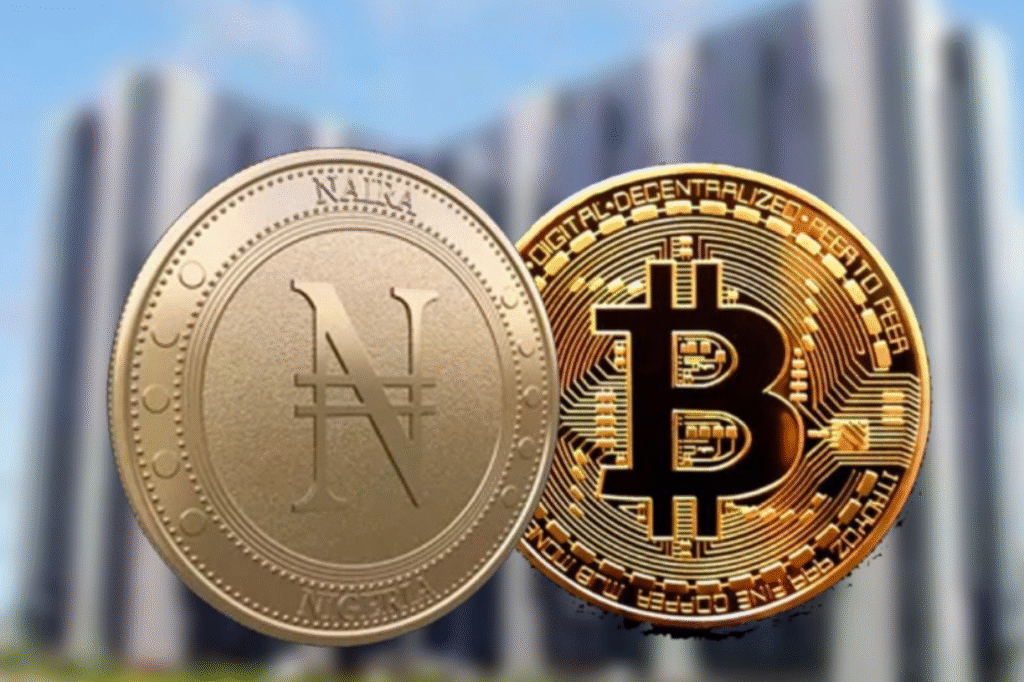
Timing Your Transactions
The crypto market is volatile. To get the best rates, monitor Bitcoin trends and sell when the price surges. Tools like TradingView can help track BTC/NGN movements in real time.
Using Reliable Exchanges Only
Avoid unverified brokers or social media deals that promise “better rates.” Stick to licensed platforms like Binance, Luno, or Xbanka or Paxful, which offer buyer protection and transparent pricing.
Legal and Regulatory Aspects in Nigeria
CBN’s Stance on Crypto Trading
The Central Bank of Nigeria (CBN) has had a cautious relationship with cryptocurrency. In 2021, the CBN restricted banks from facilitating crypto transactions, citing concerns about money laundering and financial stability. However, this didn’t stop Nigerians from trading Bitcoin; instead, it encouraged the rise of peer-to-peer (P2P) trading platforms.
Future of Bitcoin Regulation in Nigeria
Experts predict that Nigeria will eventually embrace a regulated crypto market. The Securities and Exchange Commission (SEC) has already begun developing guidelines for digital asset exchanges. The introduction of the eNaira, Nigeria’s Central Bank Digital Currency (CBDC), signals the government’s interest in digital finance.
In the future, we can expect clearer rules, taxation policies, and licensing systems that will make the Bitcoin to Naira conversion safer and more transparent for everyone.
Common Mistakes to Avoid When Converting Bitcoin to Naira
Falling for Fake Exchange Rates
Scammers often use social media platforms like WhatsApp or Telegram to promote fake “best rates.” If a rate seems too good to be true, it probably is. Always verify exchange rates through official platforms such as Binance, Luno, or CoinMarketCap before proceeding.
Ignoring Transaction Fees
Many traders overlook hidden fees, which can significantly reduce profits. Always review withdrawal charges, conversion fees, and network gas costs before finalizing a transaction. Opt for platforms that are transparent about their pricing structure.
Not Using Escrow Protection
Escrow services protect both buyers and sellers during peer-to-peer transactions. Releasing Bitcoin before receiving payment is one of the biggest mistakes traders make. Use exchanges like Binance P2P or Paxful, which automatically hold funds in escrow until the payment is verified.
Conclusion: The Future of Bitcoin to Naira in Nigeria
The journey of Bitcoin to Naira conversion reflects Nigeria’s evolving digital finance landscape. Despite regulatory uncertainty, Nigerians continue to lead Africa’s crypto revolution. With increasing adoption, better infrastructure, and potential regulatory clarity, Bitcoin is set to remain a cornerstone of Nigeria’s financial innovation.
FAQs About Bitcoin to Naira Conversion
1. What is the current Bitcoin to Naira exchange rate?
The rate fluctuates daily. As of today, 1 BTC typically ranges between ₦85 million to ₦95 million, depending on the platform and market demand. Check real-time rates on Binance or CoinMarketCap for accuracy.
2. Is it legal to trade Bitcoin in Nigeria?
Yes, trading Bitcoin is legal, but banks cannot directly process crypto transactions. Nigerians mainly use peer-to-peer (P2P) exchanges to trade safely within CBN regulations.
3. How can I get the best Bitcoin to Naira rates?
Monitor the BTC/NGN rate using reliable tools, trade during market peaks, and use exchanges with low fees like Binance P2P or Luno.
4. Can I convert Bitcoin to Naira without using an exchange?
While it’s possible to sell Bitcoin directly to individuals, it’s risky. Always use verified platforms that offer escrow services to avoid scams.
5. What are the safest wallets for storing Bitcoin in Nigeria?
Trusted wallets include Trust Wallet, Ledger Nano X, Trezor, and Coinomi. Always enable two-factor authentication and back up your keys offline.