


Building Crypto Wealth in 2026: Strategic Playbook

How to position yourself for crypto gains in 2026’s new landscape.
The crypto market has entered a fundamentally different era. With regulatory frameworks gaining clarity, institutional money flooding in, and a pro-crypto administration in the White House, 2026 presents opportunities that didn’t exist during previous cycles. Yet success requires more than buying coins and hoping for moonshots—you need a systematic approach that balances growth potential with intelligent risk management.
This playbook gives you exactly that: a structured investment framework designed for the current regulatory environment, guidance on which assets benefit most from policy shifts, and battle-tested risk management tactics to protect your capital during inevitable volatility.
Let’s build your crypto wealth strategically.
Portfolio Allocation Strategies for the Current Regulatory Environment
The 70/20/10 Framework
The foundation of crypto wealth-building in 2026 starts with smart allocation. Forget the all-or-nothing approach that characterized early crypto investing. Today’s winning strategy uses the 70/20/10 allocation model:
70% Core Holdings (Bitcoin & Ethereum)
Your foundation should be Bitcoin and Ethereum—the assets most likely to survive regulatory scrutiny and benefit from institutional adoption. Bitcoin’s digital gold narrative has strengthened as regulatory clarity removes uncertainty. Major financial institutions now offer BTC custody and trading, while spot ETFs channel billions into the asset.
Ethereum holds similar positioning as the dominant smart contract platform. With Ethereum ETFs approved and the network’s transition to proof-of-stake complete, ETH represents the infrastructure layer for DeFi, NFTs, and tokenization—all sectors poised for growth under clearer regulations.
Allocation suggestion: Split this 70% as 40% BTC, 30% ETH, adjusting based on your conviction.
20% Growth Layer (Mid-Cap Altcoins)
This tier holds cryptocurrencies with proven product-market fit, real usage, and regulatory compliance potential. Think layer-1 blockchains like Solana and Avalanche, established DeFi protocols, or infrastructure projects with institutional partnerships.
These assets offer higher upside than Bitcoin/Ethereum but with substantially more risk. They can 2-5x in favorable conditions but may also face 50-70% drawdowns during corrections.
10% Speculative Allocation (High-Risk, High-Reward)
This is your lottery ticket allocation—new protocols, emerging narratives, or early-stage projects. You might lose everything in this bucket, which is exactly why it’s limited to 10%.
If you’re investing $10,000 total, that means $7,000 in BTC/ETH, $2,000 in quality altcoins, and $1,000 in speculative plays. If the speculative bets go to zero, you’ve still preserved 90% of your portfolio.
Dollar-Cost Averaging vs. Lump Sum
With crypto’s volatility, dollar-cost averaging (DCA) remains the superior strategy for most investors. Rather than trying to time the market, commit to investing a fixed amount weekly or monthly.
Why DCA works in 2026:
– Removes emotional decision-making
– Averages out entry prices across market cycles
– Builds discipline and reduces FOMO
– Works regardless of whether we’re in accumulation or bull phase
If you have $12,000 to invest, consider spreading it across 12 months at $1,000 per month rather than deploying it all at once. You’ll buy more when prices dip and less when they spike.
Exception: If you have strong conviction that we’re at a multi-year low, lump-sum investing can outperform. But most investors lack the nerve to hold through subsequent volatility.
The Stablecoin Buffer
Keep 10-20% of your crypto portfolio in stablecoins like USDC or DAI. This serves two purposes:
1. Dry powder for buying dips without needing to transfer fiat
2. Profit-taking destination that keeps value in crypto ecosystem
When Bitcoin pumps 30% in a week, taking 10% profits into stablecoins lets you capture gains while staying ready for the next opportunity.
Which Cryptocurrencies Benefit from Trump’s Pro-Crypto Stance
The regulatory landscape has shifted dramatically. Understanding which assets benefit most helps you position for outsized gains.
Bitcoin: Digital Gold Thesis Reinforced
Bitcoin emerges as the biggest winner from regulatory clarity. The Trump administration’s crypto-friendly approach has accelerated:
– Institutional custody solutions with regulatory approval
– Spot ETF flows continue to accumulate BTC
– Strategic reserve discussions at the federal and state levels
– Clearer tax treatment reducing compliance uncertainty
Bitcoin’s 21 million supply cap, combined with institutional demand, creates a supply shock scenario. As the most decentralized, most liquid, and most battle-tested cryptocurrency, BTC benefits disproportionately when traditional finance embraces crypto.
Strategy: BTC should form the cornerstone of your portfolio. Accumulate during any dips below major psychological levels.
Ethereum: Smart Contract Dominance
Ethereum’s approval of spot ETFs validates its position as more than a speculative asset. The network hosts:
– $50+ billion in DeFi protocols that benefit from regulatory clarity
– Tokenization infrastructure for real-world assets (RWAs)
– Enterprise adoption with clear compliance pathways
– Deflationary tokenomics post-merge that reduce supply
With regulations favoring established, U.S.-accessible projects, Ethereum’s first-mover advantage in smart contracts compounds.
US-Based Layer-1 Blockchains
Solana* and *Avalanche represent the “growth layer” that benefits from pro-crypto policies. Both have:
– U.S.-based development teams and foundations
– Institutional partnerships and enterprise adoption
– Regulatory engagement and compliance focus
– Technical advantages (speed, cost) over Ethereum
Solana’s resurgence from the FTX collapse demonstrates resilience, while Avalanche’s subnet architecture attracts institutions building private blockchains. Both could see significant upside if regulatory clarity accelerates enterprise adoption.
DeFi Tokens Positioned for Growth
Decentralized finance faced existential regulatory threats in previous years. Now, with frameworks emerging for DeFi protocols to operate compliantly, several projects stand out:
– Aave (AAVE): Leading lending protocol with institutional focus
– Uniswap (UNI): Dominant DEX with governance token potentially gaining utility
– Chainlink (LINK): Oracle infrastructure essential for RWA tokenization
These aren’t speculative moonshots—they’re infrastructure with proven product-market fit that can operate within regulatory guardrails.
Stablecoins Under Regulatory Frameworks
Stablecoin legislation benefits compliant issuers like Circle (USDC) and potentially PayPal USD. As regulations require reserves, transparency, and compliance, these regulated stablecoins gain market share from offshore competitors like USDT.
While stablecoins don’t offer price appreciation, their growing utility makes them essential portfolio components for liquidity and yield opportunities.
What to Avoid
Privacy coins (Monero, Zcash) face increasing regulatory pressure. Offshore projects without U.S. compliance pathways risk enforcement actions. *Anonymous teams and projects with unclear use cases beyond speculation should stay out of serious wealth-building portfolios.
Risk Management Tactics for Volatile Markets with Improving Regulation
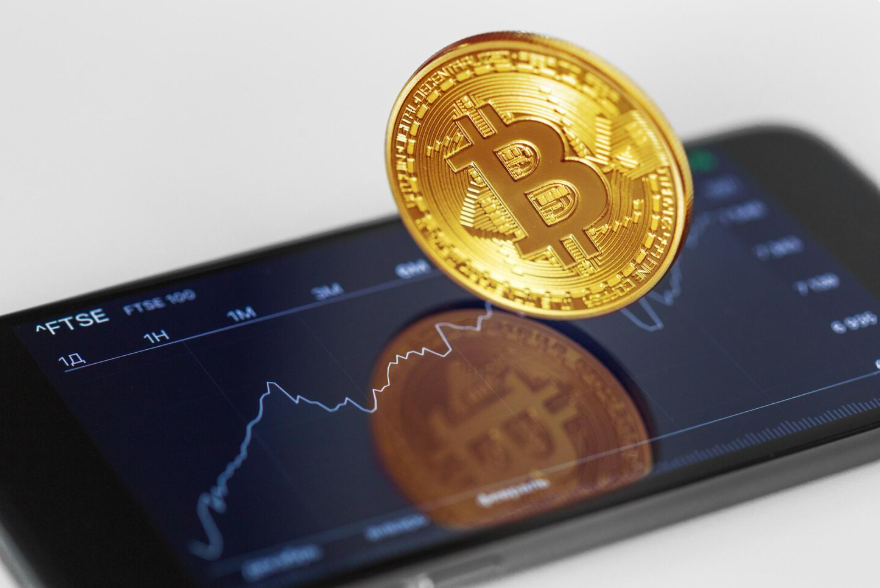
Allocation and asset selection matter, but risk management determines whether you survive to capture the gains.
Position Sizing: The Golden Rule
Never invest more than you can afford to lose entirely. Despite improving fundamentals, crypto remains volatile and unpredictable. Your crypto allocation should be money you won’t need for 3-5 years minimum, separate from:
– Emergency fund (3-6 months expenses)
– Short-term savings goals
– Retirement accounts (unless via crypto ETFs in tax-advantaged accounts)
A general guideline: crypto should represent 5-20% of your total investment portfolio, depending on risk tolerance and age.
Stop-Loss Strategies vs. Conviction Holding
For speculative positions (your 10% bucket): Set mental or actual stop-losses at -30 to -50%. If a speculative play drops by half, you’ve learned it wasn’t the winner you hoped. Cut losses and redeploy.
For core holdings (BTC/ETH)*: Stop-losses often trigger during normal volatility, causing you to sell before major rallies. Instead, use *time-based conviction holding—commit to holding for a minimum period (2-4 years) regardless of price action, unless fundamentals change.
This prevents panic selling at bottoms while allowing you to exit failed speculative bets before they go to zero.
Taking Profits Systematically
Greed destroys more crypto portfolios than any hack or scam. Ladder selling enforces discipline:
– At 2x: Sell 10-20% (you’ve recovered initial investment)
– At 5x: Sell another 20% (meaningful profit secured)
– Also, at 10x: Sell 25-30% (life-changing money off the table)
– Let the remainder ride with the house money
This ensures you capture gains during euphoria while maintaining exposure for further upside. When you’re ready to convert crypto profits to cash, platforms like Xbankang offer Nigerian traders the best rates with instant payment—critical when you want to lock in gains without slippage.
Portfolio Rebalancing
Quarterly rebalancing maintains your target allocation as different assets perform differently. If Solana doubles while Bitcoin stays flat, your portfolio might shift from 70/20/10 to 50/35/15. Rebalancing means selling outperformers and buying underperformers—which feels wrong but enforces “buy low, sell high.”
Security Fundamentals
Hardware wallets for long-term holdings. Ledger and Trezor remain gold standards. Keep recovery phrases in physical, secure locations (safe deposit box, fireproof safe)—never digital.
Exchange selection* matters for active trading. For Nigerian users, *Xbankang provides secure, fast crypto-to-naira conversions with 24/7 support—essential when you need immediate liquidity during volatile markets.
Two-factor authentication* on everything. *Unique passwords for every platform. These basics prevent 95% of crypto theft.
Tax Planning
Regulatory clarity includes clearer tax obligations. Strategies:
– Hold over 1 year for long-term capital gains treatment (lower rates)
– Tax-loss harvesting by selling losers to offset winners
– Record keeping with tools like CoinTracker or Koinly
Consult a crypto-savvy accountant as your portfolio grows. Tax efficiency can mean thousands saved.
Emotional Discipline
FOMO prevention: If you missed a pump, don’t chase. Your systematic DCA approach means you’ll catch the next opportunity.
Panic selling prevention: Expect 50%+ drawdowns even in bull markets. If your core thesis hasn’t changed, volatility is noise.
Community detox: Crypto Twitter amplifies emotional extremes. Limit exposure during volatile periods.
Your 12-Month Actionable Playbook
Month 1: Foundation
– Open accounts on chosen platforms (consider Xbankang for Nigerian naira conversions)
– Set up hardware wallet for long-term storage
– Make first allocation following 70/20/10 framework
– Set up automatic monthly buys (DCA)
Months 2-6: Accumulation Phase
– Continue monthly DCA regardless of price action
– Study your holdings’ fundamentals
– Avoid frequent trading; let positions develop
– Build emergency fund outside crypto if not already solid
Months 7-12: Review and Refine
– Conduct first quarterly rebalance
– Assess which speculative bets are working
– Take partial profits on any position up 3x+
– Adjust allocation if fundamentals or personal situation changed
When to Take Profits: Combine price targets with time-based milestones. If BTC reaches $150K within 18 months, that’s sell signal. If it takes 4 years to hit $100K, you’ve held through potential distribution and might miss the top.
Conclusion: Discipline Over Emotion
Building crypto wealth in 2026 isn’t about finding the next 100x gem or timing perfect entries. It’s about systematic allocation, informed selection of assets positioned for regulatory tailwinds, and ironclad risk management that lets you survive volatility.
The 70/20/10 framework gives you structure. Focusing on Bitcoin, Ethereum, and compliant U.S.-accessible projects positions you for institutional adoption. Dollar-cost averaging removes emotion. Quarterly rebalancing and profit-taking lock in gains.
Most importantly: stay flexible as the landscape evolves, but never abandon your systematic approach for FOMO or panic.
When you’re ready to convert crypto to cash—whether taking profits or rebalancing your portfolio—Xbankang offers Nigerian traders the best rates with instant payment and 24/7 support. [Visit Xbankang](https://xbankang.com) to experience seamless, secure crypto transactions that give you the flexibility to execute your wealth-building strategy without delays.
The opportunity is real. The playbook is clear. Now execute with discipline.
—
Disclaimer: This article is for educational purposes only and does not constitute financial advice. Cryptocurrency investments carry significant risk. Always conduct your own research and consider your financial situation before investing.
Frequently Asked Questions
Q: How much should I invest in crypto in 2026?
A: Crypto should represent 5-20% of your total investment portfolio, depending on your risk tolerance, age, and financial goals. Only invest money you can afford to lose entirely and won’t need for at least 3-5 years. Ensure you have a solid emergency fund (3-6 months of expenses) and other financial foundations in place before allocating significant capital to crypto. Within your crypto allocation, follow the 70/20/10 framework: 70% in Bitcoin/Ethereum, 20% in quality altcoins, and 10% in speculative plays.
Q: Which crypto is best for beginners in 2026?
A: Bitcoin (BTC) and Ethereum (ETH) are the best starting points for beginners. Bitcoin offers the simplest value proposition as digital gold with the most regulatory clarity and institutional adoption. Ethereum provides exposure to smart contract platforms and the broader crypto ecosystem. Start with a 60/40 or 50/50 split between BTC and ETH, using dollar-cost averaging to build your position over 6-12 months. Avoid complex DeFi protocols, new altcoins, or speculative plays until you thoroughly understand the fundamentals and have experience with market volatility.
Q: How do I cash out crypto profits safely in Nigeria?
A: For Nigerian traders, use reputable platforms like Xbankang that offer instant payment, competitive rates, and 24/7 support. The safest approach is to: (1) Start with a small test transaction to verify the process, (2) Use platforms with established track records and transparent fee structures, (3) Enable two-factor authentication on all accounts, (4) Convert crypto to naira during business hours when support is most responsive, and (5) Withdraw to verified bank accounts only. Xbankang specializes in crypto-to-naira conversions with instant settlement, making it ideal for locking in profits during volatile markets without slippage or delays.
Q: What’s the difference between DCA and lump sum investing?
A: Dollar-cost averaging (DCA) involves investing a fixed amount at regular intervals (weekly, monthly), regardless of price. This spreads your purchases across different market conditions, reducing the impact of volatility and removing emotional decision-making. Lump sum investing means deploying all your capital at once. While lump sum statistically outperforms DCA in consistently rising markets, crypto’s volatility makes DCA superior for most investors—it prevents buying tops driven by FOMO and builds disciplined habits. DCA works especially well when you’re uncertain about market timing or when building a position over 6-12 months.
Q: Should I use a hardware wallet for crypto storage?
A: Yes, for any crypto you plan to hold long-term (6+ months). Hardware wallets like Ledger or Trezor provide cold storage that protects your assets from exchange hacks, phishing attacks, and malware. They’re essential for holdings exceeding $1,000-2,000. For active trading amounts or funds you need quick access to, keeping crypto on reputable exchanges is acceptable—just use strong security (unique passwords, 2FA). The general rule: ‘Not your keys, not your coins’ applies to long-term holdings. Store recovery phrases physically in secure locations (fireproof safe, safety deposit box), never digitally or on cloud storage.