

How to Safely Buy Crypto in Nigeria Using P2P
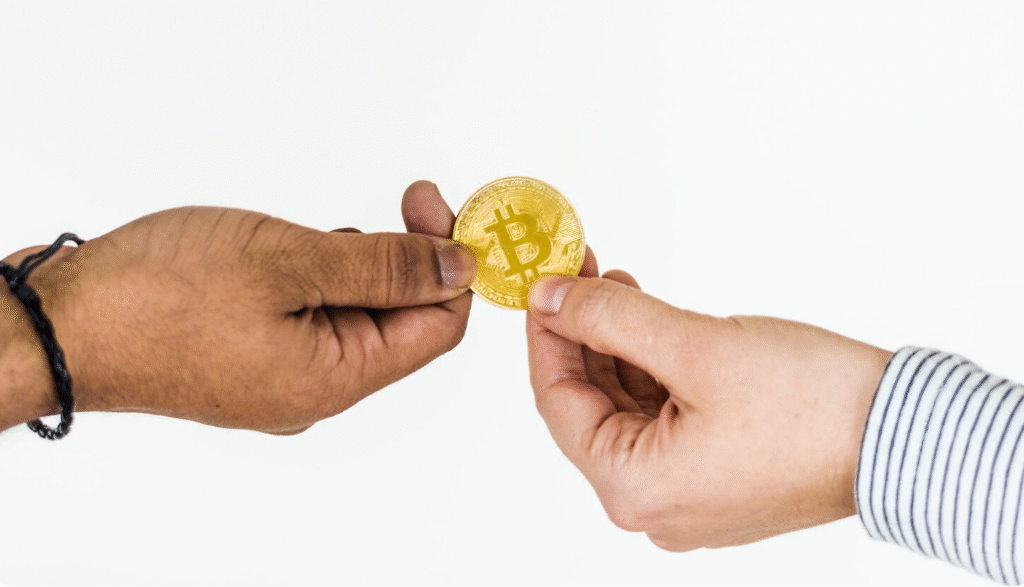
Binance blocked in Nigeria? Here’s how Nigerians can buy crypto safely.
The Nigerian crypto landscape changed dramatically in 2026. With Binance and other centralized exchanges facing restrictions, many Nigerians wondered if their crypto journey had come to an abrupt end. But here’s the truth: peer-to-peer (P2P) trading has emerged as not just an alternative, but arguably the safest and most reliable way for Nigerians to buy cryptocurrency in the current regulatory climate.
If you’re a beginner trying to navigate this new reality, this guide will walk you through everything you need to know about safely buying crypto using P2P platforms, from understanding why this method works to completing your first transaction with naira.
Why P2P Trading is the Safest Option for Nigerians Right Now
The Current Reality of Crypto in Nigeria
Nigeria has one of the highest crypto adoption rates globally, yet Nigerian crypto users face unique challenges. The Central Bank of Nigeria (CBN) has maintained restrictions on banks processing crypto-related transactions since 2021. In 2026, these measures intensified with Binance and several other exchanges being blocked.
This created a dilemma: How do you buy crypto when traditional on-ramps are restricted?
What is P2P Crypto Trading?
P2P (peer-to-peer) trading connects buyers and sellers directly. Instead of buying from an exchange, you’re buying from another individual, but with critical safety mechanisms in place.
Here’s why P2P trading is safer than alternatives:
Escrow Protection: When you initiate a P2P trade, the seller’s cryptocurrency is locked in escrow. They cannot access it until you confirm payment. This eliminates the risk of sending money and not receiving crypto.
Direct Bank Transfers: You’re using regular naira bank transfers that aren’t flagged as crypto transactions. Your bank sees a normal person-to-person transfer, not a payment to a crypto exchange.
Verified Merchants: P2P platforms maintain reputation systems. You can see a merchant’s completion rate, total trades, and user reviews before transacting.
No Middleman Seizures: Unlike centralized exchange deposits that can be frozen during regulatory actions, P2P transactions happen directly between individuals. Once the crypto hits your wallet, it’s yours.
Competitive Rates: Because sellers compete for your business, P2P rates often match or beat traditional exchange rates.
The bottom line: P2P trading gives Nigerians the autonomy to transact in crypto while navigating banking restrictions safely.
Complete the Bybit P2P Setup Process with Naira Deposits
Let’s walk through the complete process of buying crypto using Bybit P2P—one of the most reliable platforms still fully operational for Nigerian users.
Why Bybit P2P?
Bybit P2P stands out for several reasons:
– Fully accessible in Nigeria without a VPN
– Strong naira (NGN) support with active merchants
– Robust escrow system with dispute resolution
– No trading fees for P2P transactions
– 24/7 customer support
Step 1: Create and Verify Your Bybit Account
1. Visit Bybit.com and click “Sign Up.”
2. Register using your email or phone number
3. Set a strong password (use a password manager)
4. Enable two-factor authentication (2FA) immediately; this is non-negotiable for security
5. Complete KYC verification by uploading your ID (NIN slip, driver’s license, or international passport)
KYC typically takes 10-30 minutes. While some platforms allow trading without KYC, verified accounts have higher transaction limits and added security.
Step 2: Navigate to the P2P Marketplace
1. Log in to your Bybit account
2. Hover over “Buy Crypto” in the top menu
3. Select “P2P Trading.”
4. Ensure “Buy” is selected and choose “USDT” (Tether) as your crypto
5. Select “NGN” as your payment currency
You’ll see a list of merchants selling USDT for naira.
Step 3: Select a Trustworthy Merchant
This is the most critical step. Here’s what to look for:
Completion Rate: Choose merchants with 95%+ completion rates. This indicates reliability.
Trade Volume: Look for merchants with at least 100+ completed trades. Higher numbers suggest experience and trustworthiness.
Verified Badge: Prioritize verified merchants. Bybit vets these users more thoroughly.
Payment Methods: Ensure the merchant accepts your bank. Common options include GTBank, Access Bank, UBA, FirstBank, Zenith, and others.
Price: Compare rates among top merchants. A difference of ₦5-10 per USDT is normal. Anything significantly cheaper might be suspicious.
Step 4: Initiate Your Buy Order
1. Click on your chosen merchant
2. Enter the amount of USDT you want to buy (or the naira amount you want to spend)
3. Review the total naira cost
4. Click “Buy USDT.”
5. Carefully read the merchant’s payment instructions
Pro tip: Start with a small amount for your first transaction (₦5,000-₦10,000). This helps you learn the process with minimal risk.
Step 5: Make Payment and Confirm
1. You’ll see the merchant’s bank account details
2. Verify the account name matches the merchant’s name on Bybit
3. Open your banking app and transfer the exact naira amount shown
4. Use the reference number provided (if any) in your transfer narration
5. Return to Bybit and click “Transferred, Notify Seller.”
6. Upload proof of payment (screenshot of your transfer receipt)
Critical warning: Never click “Transferred, Notify Seller” until you’ve actually sent the money. But also, never delay clicking it after sending payment—merchants need this notification.
Step 6: Receive Your Crypto
Once the merchant confirms receiving your payment:
1. The USDT will be released from escrow to your Bybit P2P wallet
2. You’ll receive a notification
3. Transfer the USDT from your P2P wallet to your Spot wallet (for trading) or Funding wallet (for withdrawal)
The entire process typically takes 5-15 minutes with responsive merchants.
Alternative P2P Platforms
While Bybit is recommended, here are other options:
Binance P2P: Still accessible via VPN. Has the largest merchant base but requires VPN setup.
Paxful: Specializes in P2P with various payment methods including gift cards.
Noones (formerly Paxful): Good naira liquidity with escrow protection.
KuCoin P2P: Growing Nigerian merchant base with competitive rates.
Each platform follows similar processes, so once you master one, others become easier.
Red Flags to Avoid When Choosing P2P Merchants
P2P trading is safe when done correctly, but scammers exist. Protect yourself by avoiding these red flags:
1. Low Completion Rates (Below 95%)
A completion rate under 95% suggests:
– The merchant frequently cancels trades
– Disputes are common with this seller
– Poor communication or reliability issues
Action: Stick with 95%+ completion rates, especially as a beginner.
2. New Accounts with Few Trades
Merchants with under 50 total trades lack proven track records. While everyone starts somewhere, your first transactions should be with established sellers.
Action: Choose merchants with 100+ completed trades for your first few purchases.
3. Off-Platform Communication Requests
If a merchant asks you to:
– Continue the conversation on WhatsApp
– Call them directly
– Complete payment outside the platform
This is a major red flag. Legitimate merchants conduct all business through the P2P platform’s chat system. Off-platform communication removes your escrow protection.
Action: Report any merchant requesting off-platform communication and choose a different seller.
4. Mismatched Bank Account Names
The bank account name you’re sending money to should match the merchant’s name on the P2P platform.
If it doesn’t match: You might be sending money to a compromised account, or the merchant is using someone else’s account (against platform rules).
Action: Cancel the trade immediately if names don’t match. Report the merchant.
5. Rates Too Good to Be True
If a merchant offers USDT significantly cheaper than competitors (₦50+ below market rate), question why.
Possible reasons:
– They’re using a hacked account
– It’s a bait-and-switch scam
– They’ll claim non-receipt of payment
Action: Stick with merchants whose rates are within ₦10-20 of the market average.
6. Pressure Tactics and Urgency
Scammers create artificial urgency:
– “Release the crypto now, or I’ll cancel.”
– “I didn’t receive payment, send again.”
– “My account will close soon, hurry.”
Legitimate merchants are patient and professional.
Action: Take your time. Verify everything. If a merchant pressures you, use the platform’s dispute resolution.
7. Unusual Payment Instructions
Be suspicious if a merchant:
– Asks you to split payment across multiple accounts
– Requests payment to a business account for a personal trade
– Changes bank details mid-transaction
Action: Stick with merchants who provide clear, single-account payment instructions that match the platform’s display.
Verifying Everything
Before releasing payment:
– Merchant has 95%+ completion rate
– 100+ total trades completed
– Verified badge present
– Bank account name matches merchant name
– Rate is within normal market range
– All communication stays on-platform
– Payment instructions are clear and singular
If anything feels off, trust your instinct and choose a different merchant.
Start Your Safe Crypto Journey Today

P2P trading has democratized crypto access for Nigerians despite regulatory challenges. By following the steps outlined above and staying alert to red flags, you can safely onboard into cryptocurrency using Naira.
Key takeaways:
– Always use escrow-protected platforms like Bybit P2P
– Verify merchant credentials before every transaction
– Start with small amounts while learning
– Never communicate or pay off-platform
– Keep records of all transactions
Once you’ve successfully bought crypto via P2P, you might eventually want to convert back to naira or explore other digital asset opportunities. Platforms like Xbankang offer instant payment for crypto sales and gift card trades at competitive rates with 24/7 support—giving you flexibility in managing your digital assets.
The crypto ecosystem in Nigeria continues to evolve, but with P2P trading, you’re in control. Start with your first small transaction today, follow safety protocols, and you’ll soon navigate P2P markets with confidence.
Ready to begin? Create your Bybit account, complete verification, and make your first P2P purchase. The future of finance is peer-to-peer, and you’re now equipped to participate safely.
Frequently Asked Questions
Q: Is P2P crypto trading legal in Nigeria?
A: Yes, P2P crypto trading is legal in Nigeria. While the CBN has restricted banks from processing direct crypto exchange transactions, there is no law prohibiting individuals from buying and selling cryptocurrency peer-to-peer. P2P transactions appear as regular person-to-person bank transfers, which are completely legal. However, always ensure you’re using reputable platforms with proper escrow systems.
Q: How long does a P2P transaction take?
A: A typical P2P transaction takes 5-15 minutes from start to finish. This includes: selecting a merchant (1-2 minutes), making the bank transfer (2-5 minutes), and the merchant confirming and releasing crypto (2-8 minutes). Some merchants respond within minutes, while others may take up to 30 minutes. If a merchant hasn’t released crypto after 30 minutes despite payment confirmation, you can open a dispute with the platform.
Q: What if the merchant doesn’t release my crypto after I’ve paid?
A: This is why escrow systems exist. If you’ve made a payment and uploaded proof, but the merchant doesn’t release the crypto, open a dispute through the P2P platform. The platform’s support team will review your payment proof and chat logs. Since the crypto is held in escrow, the merchant cannot access it. In legitimate disputes where you’ve clearly paid, the platform will release the crypto to you, typically within 24-48 hours.
Q: Can I use any Nigerian bank for P2P trading?
A: Yes, you can use virtually any Nigerian bank for P2P trading, including GTBank, Access Bank, UBA, First Bank, Zenith Bank, Kuda, Opay, Palmpay, and others. When selecting a merchant, just ensure they accept your specific bank. Some merchants list preferred banks or accept all banks. The key is that the transaction appears as a regular person-to-person transfer, which all banks support.
Q: What’s the minimum amount I can buy on P2P platforms?
A: Minimum purchase amounts vary by merchant and platform. On Bybit P2P, minimums typically range from ₦1,000 to ₦5,000 ($1-5 worth of crypto). Some merchants set higher minimums like ₦10,000 to make transactions worthwhile. For your first purchase, aim for ₦5,000-₦10,000 to learn the process without significant risk, then scale up as you become comfortable.
Q: Where can I sell my crypto for naira instantly when I need to cash out?
A: When you need to convert crypto back to naira, you have several options. You can use the same P2P platforms (Bybit, Binance P2P, etc.) by creating a sell order instead of a buy order. Alternatively, platforms like Xbankang specialize in instant crypto-to-naira conversions with competitive rates and fast payouts directly to your Nigerian bank account. They also handle gift card trading if you diversify into other digital assets. The key is choosing platforms with strong reputations, transparent rates, and reliable customer support.