

What is USDT?
The cryptocurrency world has evolved rapidly, but one question remains constant among new and seasoned investors alike: what is USDT?
In simple terms, USDT, also known as Tether, is a stablecoin designed to maintain a 1:1 value with the U.S. dollar. It bridges the gap between traditional fiat currency and volatile cryptocurrencies like Bitcoin and Ethereum, making digital transactions smoother, faster, and more predictable.
Introduction to USDT and Its Importance in Crypto Markets
Cryptocurrency prices are known for their wild swings. That’s where stablecoins like USDT come in. These digital assets aim to keep their value stable, allowing traders to move funds without the price shocks seen in Bitcoin or other altcoins.
Why USDT Matters in the Digital Economy
USDT serves as a digital version of the U.S. dollar. It lets users transfer money globally without banks or intermediaries, offering both speed and accessibility. With over $80 billion in circulation, USDT plays a vital role in global crypto liquidity.
The Role of Stablecoins in Reducing Volatility
Unlike volatile cryptocurrencies, stablecoins remain pegged to a stable asset. Traders often convert profits into USDT to “lock in” gains or avoid losses during market downturns. This stability makes it essential for both retail traders and institutional investors.
Understanding the Basics of Tether (USDT)
What Does “USDT” Stand For?
USDT stands for United States Dollar Tether — a token that mirrors the value of the U.S. dollar.
The Concept Behind Stablecoins
Stablecoins combine the best of both worlds: the stability of fiat money and the flexibility of blockchain. This allows instant transactions across borders with minimal fees.
How Tether Bridges Fiat and Crypto
Tether acts as a gateway between traditional financial systems and decentralised ecosystems. For instance, you can sell crypto for USDT and withdraw it as dollars later — a key function for traders on exchanges.
The History and Evolution of USDT
Launched in 2014, Tether was among the first stab lecoins ever created. Initially issued on the Omni Layer of Bitcoin, it later expanded to Ethereum (ERC-20), Tron (TRC-20), Solana, and several other blockchains for faster transactions.
How USDT Works: The Mechanism Explained
How USDT Maintains Its Peg to the U.S. Dollar
For every USDT token issued, Tether claims to hold an equivalent value in reserves — either in cash, short-term securities, or other assets.
The Role of Reserves and Transparency
Tether Limited publishes quarterly transparency reports detailing its reserves. While questions about full audits remain, the company asserts its assets fully back all issued tokens.
Issuance and Redemption Process
When users deposit dollars into Tether, new USDT tokens are minted. Conversely, redeeming USDT for fiat results in token burning, keeping supply consistent with demand.
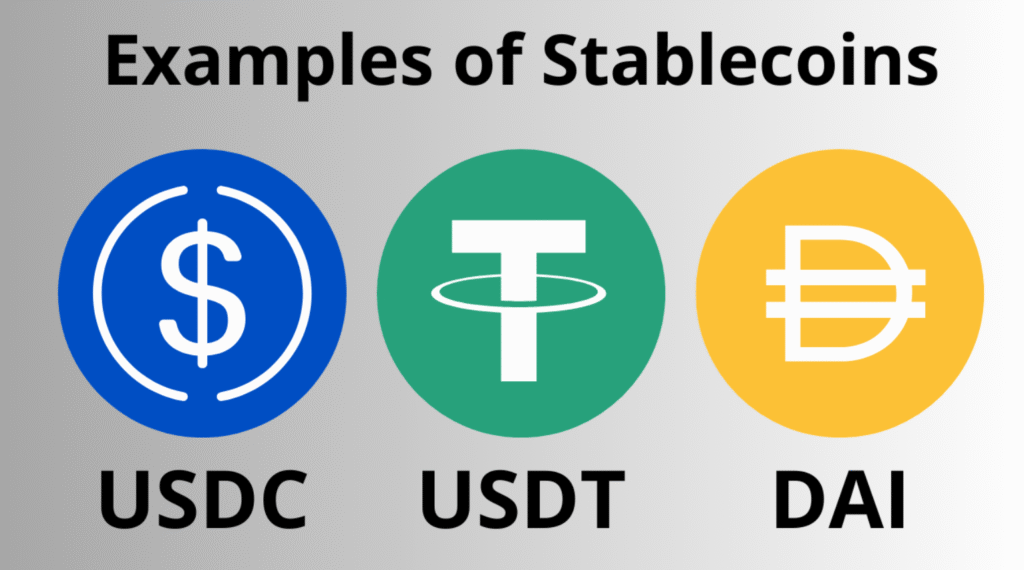
What is USDT vs Other Stablecoins (USDC, DAI, BUSD)
| Feature | USDT (Tether) | USDC (Circle) | DAI (MakerDAO) | BUSD (Binance) |
| Backing | Cash & reserves | Cash & short-term Treasuries | Crypto-collateral | Cash & Treasuries |
| Issuer | Tether Limited | Circle | Decentralized DAO | Binance & Paxos |
| Blockchains | Multi-chain | Multi-chain | Ethereum | Multi-chain |
| Transparency | Quarterly reports | Monthly audits | Fully on-chain | Monthly audits |
Each stablecoin has pros and cons. What is USDT dominates liquidity, while USDC focuses on transparency, and DAI promotes decentralisation.
Advantages of Using USDT
- Stability: Maintains a constant $1 value.
- Liquidity: Widely accepted across exchanges.
- Speed: Instant transfers between wallets and platforms.
- Accessibility: Available across multiple blockchains.
- Low Fees: Cheaper than traditional wire transfers.
Risks and Controversies Surrounding Tether
Despite its dominance, Tether has faced scrutiny regarding its reserve transparency. Critics question whether every USDT is fully backed by fiat. Regulatory bodies like the U.S. SEC have also examined its operations, pushing Tether to release clearer financial reports. What is the USDT controversy? USDT remains resilient; its peg has held firm through multiple crypto crashes.
How to Buy, Store, and Use USDT
- Buy USDT: Available on all major exchanges (Binance, Coinbase, Kraken, etc.)
- Store USDT: Use wallets like Trust Wallet, Ledger, or MetaMask for security.
- Use USDT: Ideal for trading, remittances, and payments in crypto ecosystems.
Conclusion: Should You Trust and Use USDT?
USDT remains one of the most practical tools in the crypto ecosystem — offering stability, liquidity, and efficiency. While transparency concerns persist, Tether continues to evolve under greater regulatory and market pressure. USDT offers a reliable medium for parking funds, transacting globally, and engaging with DeFi — making it an essential bridge between the traditional and crypto worlds.
FAQs About USDT
Q1. Is USDT safe to invest in?
USDT is relatively stable but not risk-free. Its safety depends on the issuer’s transparency and regulatory compliance.
Q2. How is USDT different from Bitcoin?
Bitcoin’s price fluctuates, while USDT maintains a $1 peg, making it more stable for transactions.
Q3. Can I earn interest on USDT?
Yes, many DeFi and CeFi platforms offer yield on USDT holdings.
Q4. Do real dollars back USDT?
Tether claims it holds equivalent reserves in cash and assets to back every USDT in circulation.
Q5. What networks support USDT?
USDT operates on Ethereum, Tron, Solana, and several other blockchains.
Q6. Can I use USDT for payments?
Absolutely. Many merchants and services now accept USDT as a form of payment due to its stable value.