The Fall of Crypto Influencers: What Went Wrong

Crypto influencers are losing credibility and facing consequences, and the old formula, loud predictions, meme charisma, and relentless hype, no longer works. The audience has matured, regulators have woken up, and markets have punished overconfidence. What follows is an analysis of why that shift happened, how conflicts of interest accelerated it, and what replaces the hype-centric content model that defined the last cycle.
Bad Predictions That Destroyed Credibility
For years, the influencer economy in crypto rewarded confidence over accuracy. Viral predictions (“$100k by year-end,” “this altcoin is the next big thing”) spread faster than sober analysis. That worked in bull markets, where rising prices made almost everyone look smart, but the cycle eventually flipped, and so did the reputations of the loudest voices.
Several forces eroded trust:
– Overfitting to bull markets: Many personalities developed mental models that only worked when liquidity was abundant and risk was rewarded. Momentum strategies, leverage-heavy tactics, and growth-at-any-cost narratives appeared genius in one market regime and disastrous in another. When the tide went out, the same playbook stopped working, but the content barely changed.
– The illusion of expertise: Social media amplifies certainty. Threads and short videos compress complexity into snappy calls. But reducing multi-variable systems, macro cycles, on-chain flows, token issuance schedules, regulatory risks, into one-liners is a recipe for error. When these predictions failed, audiences realized the “expertise” was often just stylistic confidence.
– Survivorship bias and cherry-picking: Influencers often highlight winners and bury losers. In a bull run, a handful of 10x calls can overshadow a graveyard of bad picks. In a bear market, losses become visible: portfolios shrink, audiences share receipts, and the editing tricks stop working. Communities grew more forensic, tracking public calls and building community spreadsheets to tally hits and misses.
– The neglect of risk management: The best investors talk in probabilities, size positions modestly, and hedge. Many influencers didn’t. They encouraged concentrated bets without scenario planning or clear invalidation points. When thesis-breaking events occurred, security exploits, liquidity droughts, regulatory shocks, there was no plan B.
– Narrative lock-in: Once a profile is built around a big thesis (e.g., a sector will dominate, a chain will flip another, a tokenomics model will prove sustainable), switching views can feel like brand betrayal. So some doubled down rather than course-correcting. The market punished stubbornness.
The result: a collective downgrade in perceived expertise. Audiences began to favor creators who showed their work, models, on-chain data, stress tests, and post-mortems, over those who merely projected certainty. Credibility migrated from charisma to methodology.
The Content Algorithm Problem
Platforms reward engagement, not accuracy. Outrage, sensational price targets, and “last chance to buy” narratives outperform cautious nuance. Many creators optimized for the algorithm, not for reality. The misalignment produced two predictable outcomes:
1) Inflated expectations that set audiences up for disappointment.
2) Erosion of trust when outcomes deviated from marketing-friendly storylines.
Audiences learned this the hard way, and they remember. Post-cycle, there’s a premium on creators who can say “I don’t know,” present ranges instead of absolutes, and build probabilistic frameworks. The bar has risen: entertainment alone no longer suffices.
Conflicts of Interest and Undisclosed Sponsorships
If poor predictions cracked the foundation, conflicts of interest smashed through the walls. Two practices did the heaviest damage: undisclosed promotional deals and asymmetric information advantages.
The Many Faces of Conflict
– Paid promotions disguised as opinions: Some influencers accepted compensation, cash, tokens, allocations, for coverage while presenting their takes as impartial analysis. When those projects faltered, communities felt misled. The distinction between ad and opinion wasn’t simply unclear; it was sometimes intentionally blurred.
– Preferential allocations and early exits: Influencers sometimes gained access to discounted token rounds or referral bonuses that positioned them to profit before retail. If they didn’t disclose those incentives, their recommendations looked like aligned conviction but functioned like exit liquidity.
– Exchange and platform affiliations: Referral codes and sponsorships can be legitimate, but the lack of clear disclosures created skepticism: Was this lending platform or exchange really best-in-class, or just best-paying?
– Pay-to-play media ecosystems: Some newsletters, podcasts, and YouTube channels became soft advertising funnels where critical questions were rare and challenging interviews were avoided. Project founders shopped for favorable coverage; audiences got a highlight reel rather than diligence.
The Consequences Arrived
Regulators increased enforcement around deceptive endorsements and undisclosed promotions. Community sleuthing also improved: on-chain analysis, archived posts, and whistleblower threads exposed discrepancies between what was said and what was done. Even without formal penalties, the reputational hit was severe. Once trust breaks in finance-adjacent content, it is difficult to repair.
The audience response has become more sophisticated:
– Demand for standardized disclosures: Viewers expect clear labeling of sponsored segments, explicit notes on token holdings, vested allocations, referral revenue, and prior advisory relationships.
– Skepticism by default: The default assumption is that incentives exist. That’s healthy. Transparency is table stakes, not a differentiator.
– Preference for open-sourced research: Creators who share models, spreadsheets, on-chain wallets, and audit trails attract higher-quality audiences. The more verifiable the claims, the better.
A Practical Disclosure Rubric (what the audience now expects)
– Compensation: Was any money, tokens, or in-kind compensation received for this coverage? If yes, where is it disclosed?
– Holdings and lockups: Does the creator own the asset? On what terms? Are tokens vested or subject to lockup?
– Timeline: When did the creator acquire the position? Is there a plan to sell, and under what conditions?
– Platform ties: Are there referral links or business relationships with exchanges, wallets, or protocols mentioned?
– Independence: Did the creator have editorial control over the content? Were questions pre-screened?
Creators who systematize these disclosures regain credibility. Those who don’t will struggle to rebuild audiences that have grown far savvier.
The Shift Away From Hype Culture in Crypto
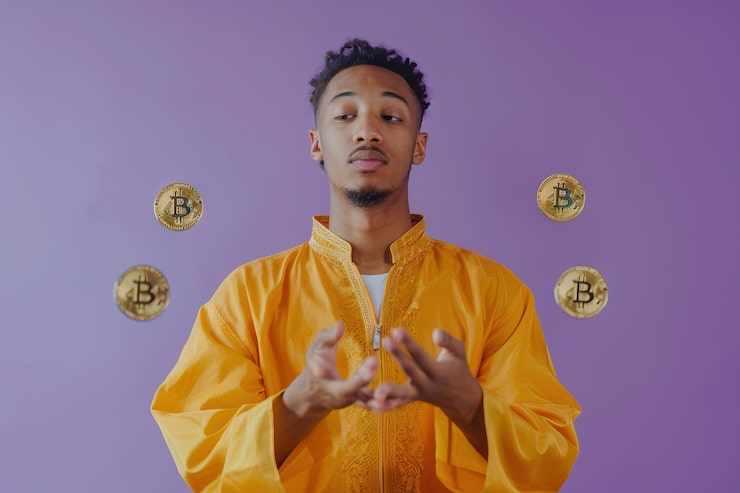
The verdict is in: hype isn’t a moat; process is. The market is transitioning from personality-driven promotion to process-driven evaluation. That doesn’t mean the end of entertaining content, but it does mean entertainment without rigor feels hollow, and risky.
What Replaces Hype
– Evidence-based analysis: Expect more emphasis on token economics, user growth, fee capture, validator or miner incentives, security models, treasury sustainability, and real-world counterpart risk. The standard is shifting toward measurable data and falsifiable theses.
– On-chain receipts: Wallet transparency, trade logs, and public performance dashboards will increasingly separate credible analysts from storytellers. When creators expose their positioning and risk management in real time, audiences can judge skill rather than swagger.
– Scenario planning over moon targets: Instead of single-point price calls, creators will frame scenarios: base case, bear case, bull case, and catalysts that move probabilities. This mirrors how professionals think.
– Education first: Tutorials on custody, staking risks, bridging safety, MEV, smart contract risk, and position sizing now outperform raw hype among serious viewers. Investors want durable competencies, not lottery tickets.
– Community-driven verification: Open research notes, peer review in forums, and crowd-sourced red-team analysis catch flaws before they metastasize. Creators who invite criticism gain resilience.
A Playbook for Audiences and Aspiring Investors
To navigate this new environment, consider adopting a simple framework that de-emphasizes personalities and emphasizes process.
1) Incentive check
– What economic incentives might bias this content? Look for explicit disclosures.
– If there’s a referral link, what does it pay? Is there a token grant or advisory role?
2) Track record and methodology
– Does the creator maintain a public scorecard of past calls and learning notes?
– Is there a consistent framework (e.g., valuation models, on-chain metrics, user cohort data), or just vibes?
3) Risk literacy
– Are downside scenarios presented with equal rigor as upside?
– Is there a clear plan for invalidation, stop-losses, or hedging?
4) Verifiability
– Are wallet addresses or holdings disclosed when relevant?
– Is source data linked (explorers, dashboards, audits)?
5) Portfolio fit
– Even a good idea can be a bad fit. What’s your time horizon, liquidity needs, and risk tolerance? Size positions accordingly.
What Responsible Creators Can do Now
– Build a living disclosure page: Update compensations, holdings, advisory roles, and referral relationships. Pin it.
– Separate ads from analysis: Clearly label sponsored segments. Never sell editorial control. Make interviews non-negotiably independent.
– Publish process, not just conclusions: Share spreadsheets, dashboards, and error bars. Admit uncertainty.
– Create a post-mortem culture: When a call goes wrong, analyze why. Audiences reward humility and learning.
– Implement guardrails: Use compliance reviews, conflict checks, and cooling-off periods before covering assets you recently acquired.
Industry-Level Fixes That Could Help
– Standardized disclosure schemas: A simple, open standard for content metadata—covering sponsorships, holdings, lockups, embedded in video descriptions, newsletters, and RSS feeds.
– Marketing wallets and multi-sig distributions: Project teams could route influencer compensation to public multi-sig wallets with vesting schedules, making incentives transparent on-chain.
– Third-party attestation: Independent services could verify disclosures and issue a trust badge with revocation if inconsistencies arise.
– Education subsidies instead of hype bounties: Teams can allocate budget to security explainers, user safety guides, and developer docs rather than short-term token shills.
Conclusion
The fall of the crypto influencer isn’t the end of crypto media—it’s the end of an era where style outran substance. Markets have re-priced bravado. Audiences now ask harder questions. And regulators, community investigators, and on-chain transparency have raised the cost of misrepresentation.
That’s good news for serious participants. The signal is still there—builders are building, infrastructure is advancing, and useful networks continue to compound—but it takes disciplined filters to find it. The creators who thrive from here will earn trust by making their incentives explicit, their methods transparent, and their predictions accountable to data. The rest will keep shouting into a smaller echo chamber, wondering why the crowd moved on.
For crypto to mature, it needed this reckoning. The marketplace of ideas is healing itself: fewer megaphones, more microscopes. If you’re an aspiring investor, that’s your cue—prioritize frameworks over fandoms, disclosures over DMs, and process over personalities. The era of hype was loud; the era of accountability will be quieter, but far more rewarding.
Frequently Asked Questions
Q: Are all crypto influencers untrustworthy now?
A: No. Many creators are evolving toward transparent disclosures, data-driven research, and clear risk frameworks. Treat influencers as information sources, not decision-makers, and evaluate them by process, evidence, and incentives rather than charisma.
Q: How can I quickly assess whether a recommendation is compromised by conflicts of interest?
A: Check for explicit disclosures about sponsorships, token holdings, advisory roles, and referral revenue. Look for a persistent disclosure page, on-chain wallet transparency, and clear separation between ads and editorial content.
Q: What red flags should I watch for in crypto content?
A: Absolute price targets without scenarios, undisclosed partnerships, paywalls that promise guaranteed returns, pressure to act immediately, lack of downside discussion, and vanished posts after bad calls. Also be cautious if interviews feel pre-scripted or uniformly flattering.
Q: How do I build a better research workflow without relying on personalities?
A: Start with primary data (on-chain analytics, protocol docs, audits), use community-built dashboards, keep a personal thesis journal with entry/exit criteria, and run scenario analysis. Diversify information sources and revisit assumptions regularly.
Q: What role do regulators play in this shift?
A: Enforcement actions against deceptive endorsements and inadequate disclosures have raised the cost of noncompliance. This pressure incentivizes clearer labeling of ads, more conservative marketing, and better risk communication across the industry.
Q: I followed bad calls and took losses. What now?
A: Run a personal post-mortem: identify where your process failed (overreliance on personalities, poor sizing, lack of stop-losses). Set rules for disclosures you require, limit position sizes, emphasize custody and security, and rebuild with conservative, testable theses.