Gift Card Trading Apps: Legit or Risky?
Can you really get cash for your unused gift cards?
Short answer: yes, but not all routes are equally safe, fast, or fairly priced. If you have gift cards you won’t use, you’re probably weighing convenience against risk: how to sell or trade them without getting scammed, losing value to fees, or waiting weeks for a payout. This review explains how popular platforms actually work, the biggest red flags to avoid, and safer alternatives depending on your goals.
How Gift Card Resale Platforms Work
At a high level, there are three models you’ll encounter:
1) Instant buyback sites
– What they are: Companies that quote you a price (usually a percentage of face value) for a specific brand and balance. You submit the card number and PIN (or mail the physical card), they verify, and pay you via ACH/PayPal/check once approved.
– Typical experience: Fast quotes, predictable pricing, and relatively straightforward onboarding. Verification and anti-fraud checks can add delays, especially on high balances or high-demand brands.
– Payout range: Often 50–92% of face value, depending on brand popularity, restrictions, and demand. Heavily restricted or niche brands may get steep discounts; universally popular brands usually command the highest percentages.
– Pros: Lower scam risk for sellers; a single counterparty; minimal negotiation. Clear timelines and policies.
– Cons: Lower payouts than peer-to-peer; potential holds or clawbacks if a card later proves invalid during the platform’s guarantee period to buyers.
2) Marketplaces (list-and-sell)
– What they are: Platforms where you list your gift card at a chosen discount. Buyers purchase through the marketplace; the platform holds funds in escrow until the card is confirmed valid, then releases payment to you (minus fees).
– Typical experience: More control over price. You’ll adjust discounts to attract buyers. Verification and delivery (digital code vs. shipping) varies by brand.
– Payout range: Can be higher than instant buyback for in-demand brands. You might sell at 80–95% of face value depending on competition and platform fees.
– Pros: Potentially better net proceeds. Platform-mediated escrow adds a layer of protection vs. direct P2P.
– Cons: Not instant. Listings can sit if overpriced. Buyer guarantees can mean delayed or reversed payments if disputes arise.
3) Peer-to-peer (P2P) and social/crypto trading
– What they are: Direct trades with individuals via community marketplaces, social media groups, or crypto P2P platforms using escrow.
– Typical experience: Broad range of prices. Some buyers pay more for specific brands, regions, or denominations. You’ll see requests for photos of the card, balance proof, and sometimes brand account screenshots.
– Payout range: Can be highest for certain brands but varies wildly. Payment types include bank transfers, PayPal, Cash App, or crypto.
– Pros: Potential top dollar; flexible payment options; fast if you have a valued brand and a reputable counterparty.
– Cons: Highest scam risk (code-first demands, chargebacks, reversals, fake escrow). Platforms often prioritize buyer protection, leaving sellers exposed in disputes.
How Pricing is Set
– Brand desirability: Amazon, major fuel, grocery, big-box electronics, and streaming cards typically command higher rates. Fashion, niche experiences, and region-restricted brands sell for less.
– Restrictions: Cards locked to in-store use or with complex terms draw discounts.
– Balance fragmentation: Odd or very small balances are harder to move; mid-range denominations (e.g., $25–$200) sell best.
– Supply/demand: During peak retail seasons and holidays, rates for popular brands often tick up.
Verification and Guarantees
– Buyer guarantees range from a few weeks to a year. Within that window, if a buyer claims the card is invalid, platforms may claw back your payout or hold funds.
– Sellers may need to upload receipts or proof-of-purchase for higher trust and faster releases.
– KYC/AML checks: Expect ID verification and sometimes SSN/EIN if you hit volume thresholds. This protects the platform but adds friction.
Payment Timelines and Fees
– Instant buyback: Often 24–72 hours after verification; faster for smaller amounts and top brands.
– Marketplace: After card delivery and a waiting window to ensure validity (anywhere from hours to days), then ACH/PayPal processing time.
– P2P: Immediate upon buyer confirmation, but settlement risk is highest (reversals and account limitations can occur).
– Fees: Marketplaces take a seller fee; PayPal and instant-pay add-ons may cost extra. P2P and crypto platforms charge escrow/transaction fees.
Red Flags and Real Risks in Gift Card Trading
Gift cards are a magnet for fraud because they’re semi-anonymous, easily transferable, and hard to reclaim once spent. Here are the most common traps and how to spot them.
Pricing and Payout Traps
– Too-good-to-be-true offers: Anyone paying 95–100% for a hard-to-move brand, or promising full-face-value cash instantly, is often fishing for victims.
– Hidden fees: Watch for processing, “verification,” fast-pay, and withdrawal fees that significantly reduce your net.
– Slow or moving goalposts: Quotes that expire quickly, sudden revalidation requests, or “additional checks” after you’ve revealed the code can be preludes to stalling or clawbacks.
Process and Communication Red Flags
– Code first, payment later: Legit marketplaces use escrow; scammers will pressure you to send the code or clear security hurdles off-platform.
– Off-platform messaging: Requests to move to Telegram/WhatsApp/DMs to “save fees” increase the risk you’ll lose platform protections.
– Fake screenshots: Payment or balance “proof” images are easily forged. Rely on platform balances and escrow, not screenshots.
– Phishing and account takeovers: Links that mimic platform login pages, requests for 2FA codes, or demands for SMS verification outside the app are classic tricks.
Payment Risks
– Chargebacks and reversals: Even “push” payments can be reversed in fraud investigations. PayPal Goods & Services favors buyers; Friends & Family offers sellers minimal recourse but still risks account flags. Bank transfers can be reversed if fraud is alleged.
– Crypto escrow scams: Some P2P platforms have real escrow; others use spoofed bots or rogue moderators. If you must trade crypto-for-cards, use well-known platforms, stick to on-platform escrow, and check reputations carefully.
Card-Specific Issues
– Drained cards: Cards exposed on racks or previously compromised can be worthless by the time you try to sell. Buyers who discover a zero balance post-sale can trigger refunds at your expense.
– Brand policies: Some brands ban resale or limit transfers; accounts can be flagged if you rapidly move balances.
– E-gift vs. physical: E-gifts are quick but easy to misuse; physical cards require shipping and can be lost or swapped.
Platform-Policy Asymmetry
– Buyer-first guarantees: Many platforms protect buyers for weeks or months, but sellers can be debited if an issue arises during the guarantee window—even if you already delivered a valid balance.
– KYC surprises: Hitting payout limits can trigger identity checks. Refusal means funds can be frozen until you comply or appeal.
Privacy and Compliance
– Data exposure: Uploading card images, receipts, and IDs increases your data footprint. Choose platforms with clear, audited security practices.
– AML flags: High-volume trading, mixed payment methods, and international counterparties can attract compliance reviews leading to holds.
How to Mitigate Risk
– Prefer instant buyback or reputable marketplaces over ad-hoc P2P.
– Read the seller guarantee and clawback policy before you share a code.
– Test with a small sale first. Scale only after a clean payout history.
– Keep documentation: original receipts, serials, timestamped balance checks.
– Use on-platform escrow and communication; never share 2FA or off-platform verification codes.
– Price realistically. A fair discount moves inventory faster and reduces negotiation risk.
Safer, Lower-Friction Alternatives for Unwanted Cards
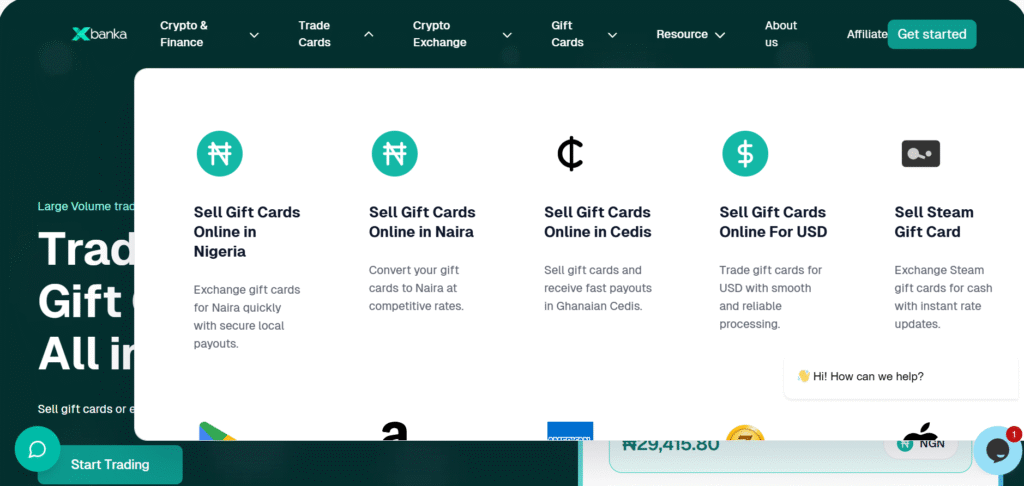
There isn’t one “best” path; it depends on your priorities: speed, value, or zero-hassle. Consider this decision guide and the top alternatives.
Decision Guide
– Need cash fast with low risk: Use a known instant buyback service. Accept the haircut for simplicity and predictable payout.
– Willing to wait for a better price: List on a reputable marketplace with escrow and buyer guarantees. Set a competitive discount and monitor similar listings.
– Have a highly desirable brand and are P2P-savvy: If you insist on P2P, stick to verified, escrow-enabled platforms with strong reputation systems. Never send codes before escrow is locked, and avoid off-platform side deals.
Safer Alternatives Beyond Reselling
– Spend-to-free-cash strategy: Use the gift card on routine essentials (groceries, household supplies, fuel) you’d buy anyway, and redirect the equivalent cash to your original need. You effectively “cash out” without fees or fraud risk.
– Swap within your circle: Offer friends, family, or coworkers a small discount (e.g., 5–10%) for brands they already use. Cash in person is the safest settlement.
– Bill-pay and subscriptions: Some utilities, phone plans, and online services accept certain retailer cards via their store portals (e.g., buying service gift cards to pay your own bill). This isn’t universal; verify before relying on it.
– Debit-network gift cards (Visa/Mastercard/AmEx): Dedicated apps and services can convert them to bank deposits for a fee. Expect meaningful fees and KYC, but the process is designed for this use case. Compare the all-in discount to marketplace rates before proceeding.
– State small-balance cash-out laws: In several U.S. states, retailers must provide cash for small remaining balances (often in the $5–$10 range). Policies vary widely; check your state’s consumer protection website or ask in-store.
– Donate strategically: Charities may accept gift cards to purchase supplies. For tax purposes, general rules around non-cash charitable contributions apply, but many gift cards are treated as cash equivalents, consult current guidance if you plan to claim a deduction.
– Regift or convert: Some brands let you convert within the same retail group (e.g., sister brands under one parent company) or load to a central account you actually use. Policies vary; check the brand’s terms.
Practical Tips to Maximize Value
– Verify balance and document: Take timestamped screenshots or videos showing the balance check and card serial before listing or selling.
– Avoid odd denominations: If possible, consolidate into standard amounts (e.g., $25, $50, $100) that sell faster.
– Time the market: Popular brands often fetch better rates around holidays, major shopping events, and back-to-school.
– Ship tracked (for physical): Use trackable mail and photograph the card and envelope before sending.
– Keep original receipts: They strengthen your case in disputes and can speed up verification.
– Watch brand restrictions: Some cards prohibit online redemption or are store-only, which narrows the buyer pool and lowers price—adjust expectations.
What a Realistic Outcome Looks Like
– Popular, unrestricted brand (e.g., large online marketplace or fuel): Marketplace listing might net 85–92% after fees; instant buyback, 80–90%, with quicker payout.
– Mid-tier retail brand: 70–85% depending on season and demand; instant buybacks might be closer to the low end.
– Niche or region-restricted: 50–70% or might not sell quickly on marketplaces; consider spend-to-free-cash or friends-and-family swaps instead.
Conclusion
– Legit? Yes, there are reputable ways to convert gift cards to cash, particularly through established instant buyback services and escrowed marketplaces.
– Risky? Also yes, prices vary, payouts can be clawed back during guarantee windows, and P2P is fertile ground for scams.
– Best practice: Decide if your priority is speed, top dollar, or minimal risk, and pick the model that aligns with that. If you value certainty, use a known buyback site. If you can wait for a higher price, list on a marketplace with a realistic discount. If you’re tempted by P2P, proceed only with robust escrow and impeccable operational hygiene.
If you keep your expectations grounded, understanding you’re trading some value for convenience and security, you can turn unused gift cards into real, reliable cash with minimal headaches.
Frequently Asked Questions
Q: What percentage of face value should I expect when selling a gift card?
A: It depends on brand, restrictions, and demand. As a general range, popular and broadly usable brands can net 80–92% via reputable marketplaces or instant buybacks, while niche or restricted brands often sell for 50–75%. Rates fluctuate by season and platform.
Q: Are gift card trading apps safe?
A: Many are legitimate, but safety varies by model. Instant buyback sites and established marketplaces with escrow are generally safer than ad-hoc P2P or social trades. Read seller guarantees and clawback policies; use on-platform communication and escrow; and avoid code-first deals.
Q: Why do buyers want such big discounts?
A: Discounts cover platform fees, fraud risk, and the time/value for resellers or end buyers. Highly liquid brands command smaller discounts; specialized or restricted brands require larger discounts to attract a buyer.
Q: Can a buyer reverse payment after I deliver a code?
A: Yes. Chargebacks and reversals can occur with PayPal, bank transfers, and even some wallet-to-wallet payments during fraud reviews. Using platform escrow and avoiding off-platform payments reduces this risk, but seller clawbacks can still happen within the platform’s guarantee window.
Q: How can I avoid getting scammed when selling a gift card?
A: Use reputable platforms with escrow; never send codes before payment is locked; keep receipts and proof of balance; avoid off-platform communication; and be skeptical of above-market offers. Test with small amounts before scaling.
Q: Is it legal to resell gift cards?
A: In most places, yes, but brand terms may restrict how and where you resell, and platforms enforce their own rules. High-volume sellers may face identity checks and tax reporting. When in doubt, review the platform’s terms and local regulations.
Q: Should I mail physical cards or sell e-gift codes?
A: E-gift codes are faster but carry misuse risk if leaked. Physical cards are safer to control but slower due to shipping. If mailing, use trackable shipping and document the card condition and serial before sending.
Q: What’s the safest way to turn a Visa/Mastercard gift card into cash?
A: Consider specialized cash-out apps or services designed for open-loop gift cards and be prepared for fees and identity verification. Compare the all-in cost to selling a retailer-specific card on a marketplace. Avoid risky workarounds that may violate store or processor policies.
Q: Do small remaining balances have any cash-out options?
A: In several U.S. states, retailers are required to provide cash for small leftover balances (often around $5–$10). Policies vary widely; check your state’s consumer protection resources or ask at the store’s customer service desk.